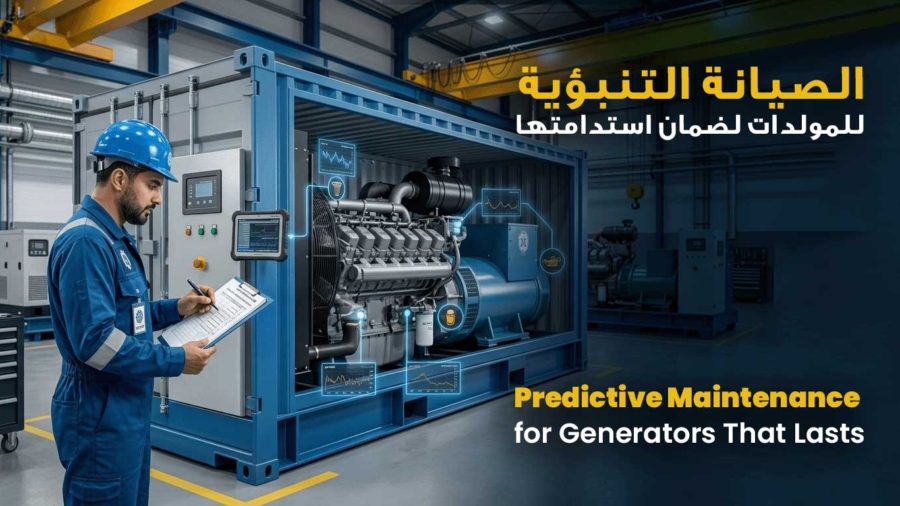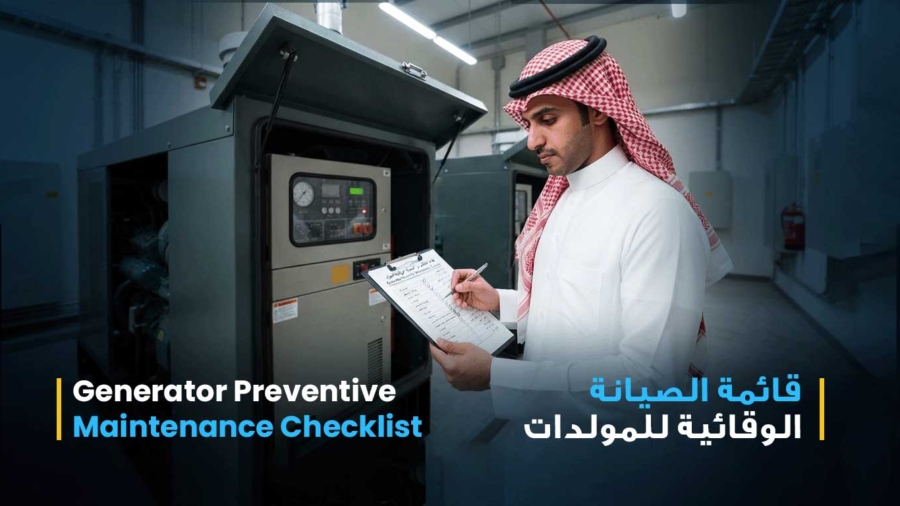
Use this generator preventive maintenance checklist to reduce downtime, improve safety, protect fuel efficiency, and plan service with confidence.
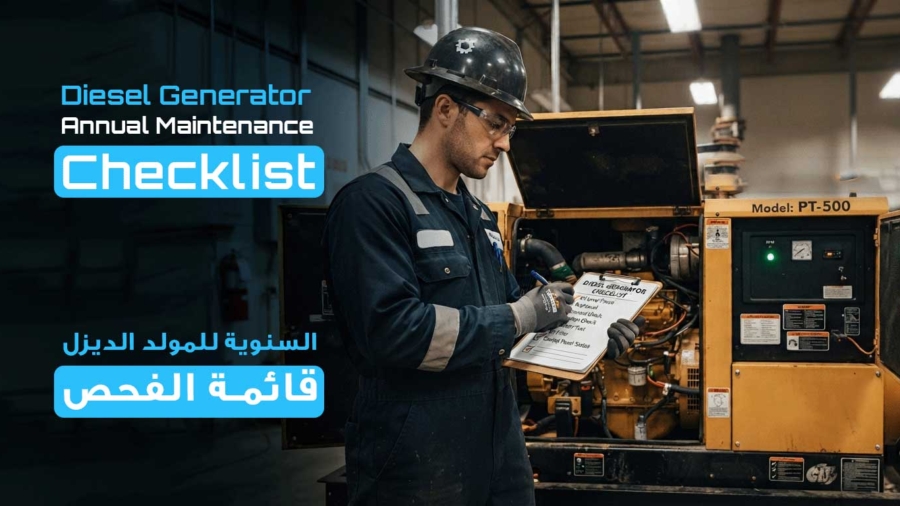
Diesel Generator Annual Maintenance Checklist
Diesel generator annual maintenance helps prevent failures, reduce downtime, improve safety, and protect fuel, cooling, and electrical systems.
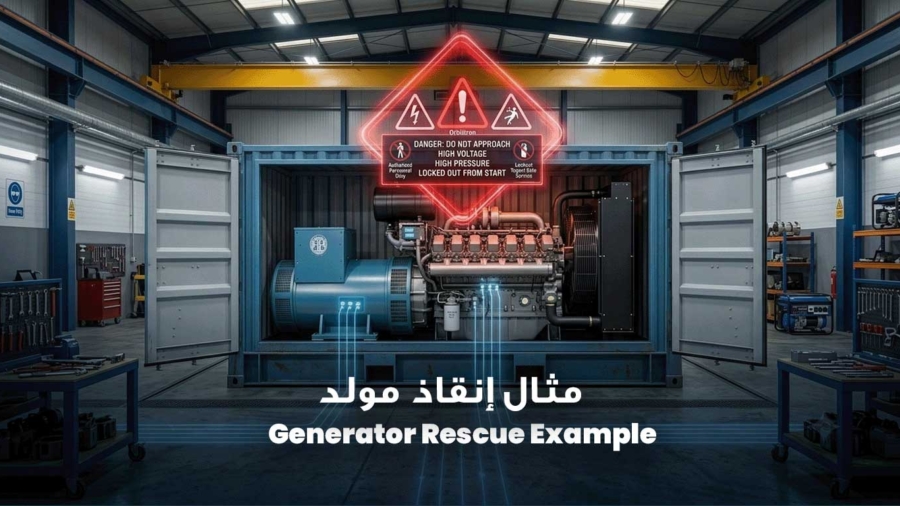
Emergency Generator Repair Service That Cuts Downtime
Emergency generator repair service for fast fault diagnosis, safe recovery, and reduced downtime for industrial and commercial operations.
Diesel Generator Control Panels: A Technical Guide for Facility Managers
Why the Controller Is the Brain of Your Generator
When a backup generator fails at a hospital, factory, or hotel, the cause is rarely the engine itself. In more than 60% of the cases we handle at Millennium Power Company, the fault lies in the control panel — the electronic brain that manages starting, protection, and load transfer.
Control systems have evolved dramatically over the last decade, yet many operators still treat them as sealed black boxes. That misunderstanding costs facilities downtime and expensive failures that could have been avoided with proper programming or a timely upgrade.
The Four Generations of Control Systems
1. Manual Start — Legacy systems requiring human intervention for every start and stop. Still found at some temporary construction sites.
2. Auto Mains Failure (AMF) — Senses interruption of the utility supply (Saudi Electricity Company / SEC) and starts the generator automatically. The standard choice for hotels and smaller hospitals.
3. Automatic Transfer Switch (ATS) — Transfers loads between mains and generator without human intervention, with a programmed time delay. Mandatory for critical facilities.
4. Synchronization and Paralleling — Operates several generators together, or in parallel with the utility grid. Essential for data centers, large hospitals, and refineries.
Major Controller Brands in the Saudi Market
Deep Sea Electronics (DSE) – United Kingdom
The most widely deployed brand in the Eastern Province. Common models:
- DSE 7310 MKII — single set, AMF, standard choice for mid-size facilities
- DSE 7320 MKII — with integrated ATS function
- DSE 7420 MKII — advanced protection and communication features (Modbus, Ethernet)
- DSE 8610 / 8660 — multi-set paralleling and synchronization
ComAp – Czech Republic
Premium-tier, frequently specified in large industrial installations:
- InteliLite — single set
- InteliCompact NT — paralleling
- InteliGen NTC — large plants
Smartgen – China
Very common on Chinese-built gensets imported into KSA:
- HGM6120 — AMF unit
- HGM6320 — ATS unit
- HGM9510 — synchronization
OEM Controllers
- Doosan — typically Smartgen-based
- Cummins PowerCommand (PCC 3.3, PCC 2100)
- Perkins — typically rebadged DSE
- MTU MMC
- Kohler — proprietary systems
Critical Protection Functions
Any credible controller must provide at a minimum the following protections:
| Protection | Purpose | Consequence if Missing |
| Over/Under Speed | Engine protection | Crankshaft damage |
| Over/Under Voltage | Load protection | Burnout of electric motors |
| Over/Under Frequency | Sensitive load protection | Electronics equipment failure |
| Low Oil Pressure | Engine protection | Bearing and crankshaft damage |
| High Coolant Temperature | Engine protection | Cylinder head cracking |
| Overload | Generator protection | Stator winding burnout |
| Reverse Power | Paralleling systems | Generator destruction |
Common Faults and Their Root Causes
The most frequent issues we diagnose in our workshop:
Fail to Crank/Start — incorrect cranking time parameter, faulty RPM pickup sensor, weak starter battery, or defective fuel solenoid.
False Overheat Shutdown — faulty temperature sensor, or incorrectly programmed set point.
Failure to Transfer — defective ATS contactors, or incorrect mains detection settings.
Random Shutdown — voltage instability, sensor malfunction, or electromagnetic interference (EMI) from nearby equipment.
Battery Fault with Healthy Charging — wrong charging voltage parameter set in the controller.
Why Proper Programming Matters as Much as the Hardware
When we receive a new generator for installation, factory programming is rarely suited to local conditions:
- Eastern Province ambient temperatures require different operating temperature thresholds
- Saudi grid quality requires precise tuning of mains failure detection windows to avoid false transfers
- Industrial load profiles need dynamic load and current limit calibration
- Communication protocols (Modbus, J1939) are required to integrate with BMS and SCADA systems
At MPOM we program and tune controllers using official manufacturer tools: DSE Configuration Suite, ComAp InteliConfig, Smartgen configurators, plus OEM utilities such as Cummins InPower and Perkins PEDS.
Upgrade or Repair? A Decision Framework
| Condition | Repair | Replace / Upgrade |
| Controller age < 8 years, isolated fault | ✅ | — |
| Controller age > 12 years | — | ✅ |
| Spare parts no longer available | — | ✅ |
| No support for Modbus TCP / Ethernet | — | ✅ |
| Faults only in external sensors | ✅ | — |
| Need for remote / IoT monitoring | — | ✅ |
Upgrading from a legacy controller (e.g., DSE 7220 to DSE 7320 MKII) typically delivers: better self-diagnostics (event log), remote cloud monitoring, and 5–12% fuel savings through improved operating logic.
MPOM Capabilities in Control Systems
- Diagnostics and repair for all major controllers (DSE, ComAp, Smartgen, Cummins, Perkins, Kohler, MTU)
- Upgrade of legacy systems to current-generation models
- Site-specific programming and parameterization
- Integration with BMS and SCADA systems
- Installation of multi-set synchronization and paralleling systems
- 24/7 emergency response for critical facilities (hospitals, data centers, hotels)
How to Request a Controller Assessment
- Send via WhatsApp: photo of the existing controller + screen photo of the fault + generator capacity (kVA) and model
- For critical facilities (hospital, factory, hotel): arrange a technical site visit for comprehensive assessment without shutdown
- For emergencies: 24/7 service across Dammam, Khobar, and Jubail
Millennium Power Company (MPOM) — Specialists in diesel generator maintenance and control systems in Dammam and the Eastern Province.
Genuine vs. Remanufactured Generators — What Should You Choose?
When you need to purchase a generator for a project, factory, hospital, or residential tower, you face a direct practical question: should you buy a brand-new OEM generator through an authorized dealer, or go with a remanufactured unit at a lower price? The decision is not straightforward — the right answer depends on your application, budget, and what you expect from the machine over the long term.
In this article, we lay out the real differences objectively, based on our hands-on experience in generator maintenance and supply in the Eastern Province of Saudi Arabia.
What Is a Brand-New OEM Generator?
A brand-new OEM generator is manufactured entirely at the original factory using 100% new components, delivered with an official warranty through an authorized dealer. Major brands in this segment include Cummins, Perkins, MTU, Kohler, Doosan, Caterpillar, and Volvo Penta.
| Advantages: | Disadvantages: |
| All components are new and have never been operated | Significantly higher upfront cost |
| Official warranty covering the engine, alternator, and control panel | Lead time may extend to weeks or months for custom orders |
| Performance fully matches technical specifications from day one | |
| Clean service history from zero hours | |
| Suitable for critical applications: hospitals, telecom stations, data centers |
What Is a Remanufactured Generator?
A remanufactured generator is a previously used unit that has undergone a professional remanufacturing process: complete disassembly, inspection, replacement of worn components with new or reconditioned parts, reassembly, and testing against defined operational standards.
| Advantages: | Disadvantages: |
| Price is 30–60% lower than a new OEM unit | Quality varies significantly between suppliers |
| Typically available immediately without long lead times | Full engine history is not always known |
| Suitable for temporary or backup applications | Remaining operational life is shorter than a new unit |
| Reputable remanufacturers offer a limited warranty (6–12 months) | Spare parts availability may become limited in later years |

Direct Technical Comparison
| Criteria | OEM New Generator | Remanufactured Generator |
| Component Condition | 100% new | Mix of new and reconditioned |
| Warranty | Official dealer warranty (1–2+ years) | Limited (6–12 months) |
| Expected Service Life | 20,000–40,000 hours | Depends on remanufacturing quality |
| Relative Price | Reference | 30–60% lower |
| Immediate Availability | May require advance order | Usually in stock |
| Best Suited For | Critical & long-term applications | Standby or temporary use |
| High-load Reliability | Excellent | Depends on supplier |
3 Questions That Define Your Decision
If the generator will run continuously (Prime Power) or serve a critical facility, choose a new OEM without hesitation. If it’s for emergency standby or a time-limited project, a remanufactured unit from a trusted supplier is a valid option.
The price difference is real and can be significant. But calculate the Total Cost of Ownership: a more expensive new generator today may cost you less over 10 years in terms of maintenance, reliability, and avoided downtime.
A remanufactured generator from a reputable company with documented processes and verifiable track record is entirely different from one rebuilt in an unknown workshop. This difference is the gap between a great deal and a guaranteed loss.
Warning: Refurbished ≠ Remanufactured
In the local market, you sometimes find generators sold as “remanufactured” that are actually just cleaned and painted used units. The key distinction:
- Remanufactured: Full disassembly, worn parts replaced, comprehensive load testing
- Refurbished: Surface-level cleaning and cosmetic repairs only, no documented standards
Always request the inspection report, list of replaced components, and load test certificate before any purchase.
MPOM’s Recommendation
At Millennium Power Organization (MPOM), we supply both options – brand-new OEM generators and quality remanufactured units from verified sources – backed by after-sales service and scheduled maintenance for major brands: Cummins, Perkins, MTU, Kohler, Doosan.
We help you choose the right generator for your actual requirement — not just the lowest price.
Millennium Power — We guide you to the right choice before you buy.
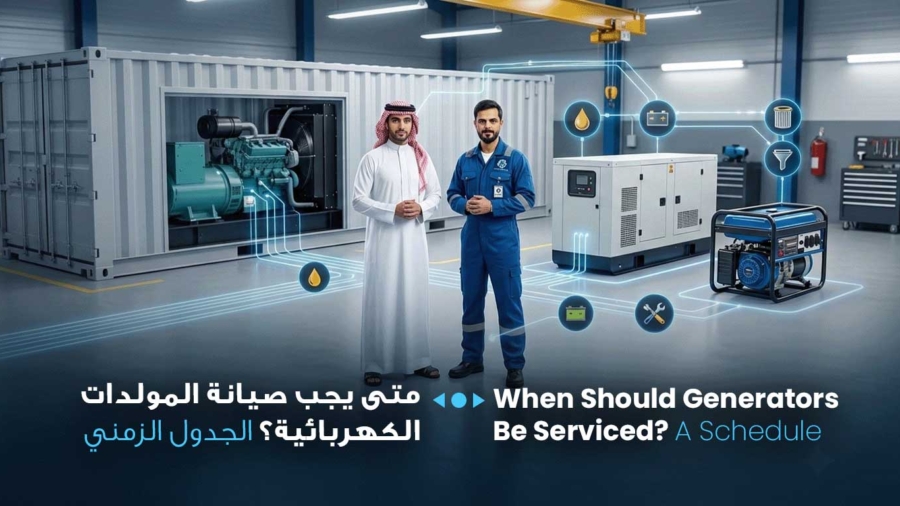
When Should I Service My Generator? A Complete Maintenance Guide
Power outages can happen without warning, and when they do, your generator becomes one of the most important assets for your home, business, construction site, hospital, or industrial facility. However, a generator is only reliable when it is properly maintained.
One of the most common questions generator owners ask is: “When should I service my generator?”
The answer depends on several factors, including operating hours, usage frequency, environmental conditions, and manufacturer recommendations. In this guide, we’ll explain when generator servicing should be performed and why regular maintenance is essential for long-term reliability.
Why Generator Servicing Is Important
Generators are designed to provide dependable backup power, but like any engine-driven equipment, they require routine maintenance to perform efficiently.
Regular servicing helps:
- Prevent unexpected breakdowns
- Extend equipment lifespan
- Improve fuel efficiency
- Reduce costly repairs
- Ensure reliable performance during emergencies
- Maintain safety and compliance standards
Neglecting maintenance can lead to issues such as battery failure, overheating, fuel contamination, coolant leaks, reduced power output, and even complete generator failure during critical situations.

How Often Should a Generator Be Serviced?
1. Follow Operating Hours
A general rule for most diesel generators is:
- Basic inspection: Weekly or monthly
- Minor service: Every 250 operating hours
- Standard maintenance service: Every 500 operating hours
- Major service: Every 1,000 to 2,000 operating hours
Generators operating in demanding environments may require more frequent servicing.
2. Service Annually Even If It Is Rarely Used
Many standby generators remain idle for long periods and are only used during emergencies. Even if your generator has accumulated very few operating hours, an annual maintenance service is strongly recommended.
Components such as batteries, fuel systems, belts, hoses, and fluids can deteriorate over time regardless of usage.
3. Service Before Peak Demand Seasons
Facilities that depend heavily on backup power should schedule preventive maintenance before periods of increased power demand.
Examples include:
- Summer months with high electrical loads
- Critical healthcare operations
- Construction projects
- Manufacturing facilities
- Commercial buildings and shopping malls
A pre-season inspection can identify potential issues before they become costly failures.

Warning Signs Your Generator Needs Immediate Servicing
Do not wait for the next scheduled maintenance if you notice any of the following:
Difficulty Starting
If the generator struggles to start or fails to start consistently, the battery, fuel system, or starter components may require attention.
Excessive Smoke
Black, blue, or white exhaust smoke can indicate combustion problems, fuel issues, or engine wear.
Fluid Leaks
Oil, coolant, or fuel leaks should be inspected immediately to prevent major engine damage.
Unusual Noises or Vibrations
Knocking sounds, rattling, or excessive vibration may indicate mechanical issues that require professional diagnosis.
Overheating
High operating temperatures can lead to severe engine damage if not addressed promptly.
Reduced Power Output
If the generator cannot handle normal loads or experiences voltage fluctuations, servicing should be scheduled as soon as possible.
What Happens During Generator Maintenance?
A professional generator service typically includes:
- Engine oil replacement
- Oil filter replacement
- Fuel filter inspection or replacement
- Air filter inspection or replacement
- Coolant level inspection
- Battery testing
- Belt and hose inspection
- Fuel system inspection
- Electrical connections check
- Control panel testing
- Load testing
- General performance evaluation
These inspections help identify small issues before they become expensive repairs.
The Cost of Delaying Generator Maintenance
Many generator failures occur because routine maintenance was postponed.
A relatively inexpensive preventive maintenance visit can help avoid:
- Emergency repair costs
- Extended downtime
- Production losses
- Project delays
- Equipment replacement expenses
For businesses that rely on continuous power, preventive maintenance is often significantly more cost-effective than emergency repairs.
Generator Maintenance Tips for Owners
To maximize generator reliability:
- Conduct regular visual inspections
- Keep maintenance records
- Run standby generators periodically
- Monitor fluid levels
- Keep the unit clean and free from debris
- Use high-quality fuel and lubricants
- Schedule routine professional inspections
These simple practices can significantly extend generator lifespan and improve performance.
Conclusion
So, when should you service your generator?
For most generators, servicing should be performed every 250 to 500 operating hours, at least once annually, and immediately whenever warning signs appear. Regular maintenance ensures reliable operation, minimizes downtime, and protects your investment.
Regular maintenance is the key to preventing unexpected breakdowns, costly repairs, and operational downtime. At MPOM, we specialize in generator maintenance, troubleshooting, repairs, and operational support for industrial, commercial, and residential clients throughout Saudi Arabia.
Whether your generator is due for routine servicing or showing signs of performance issues, our team is ready to help. Contact MPOM today and let our experts keep your generator reliable, efficient, and ready when it matters most.
Millennium Power Organization — Technical Expertise, Genuine Parts, Reliable Service.