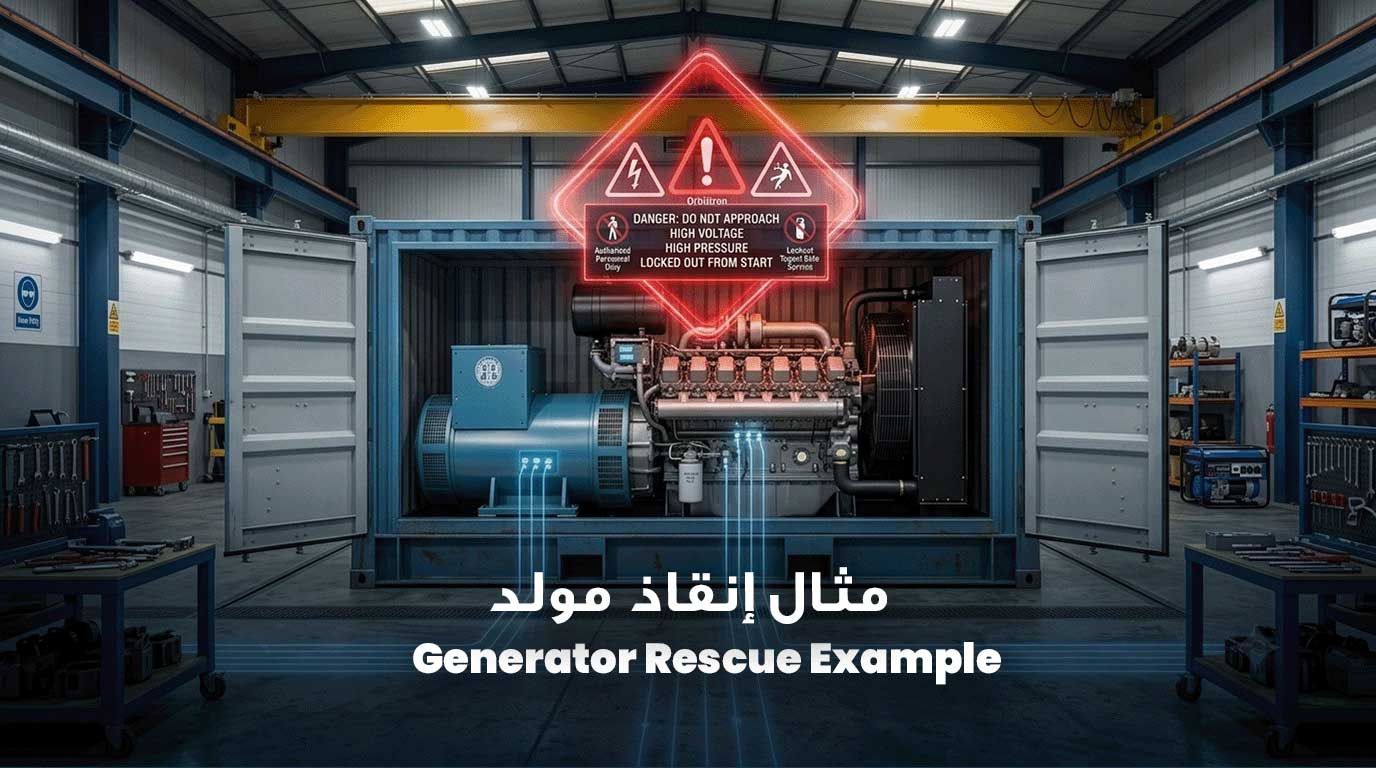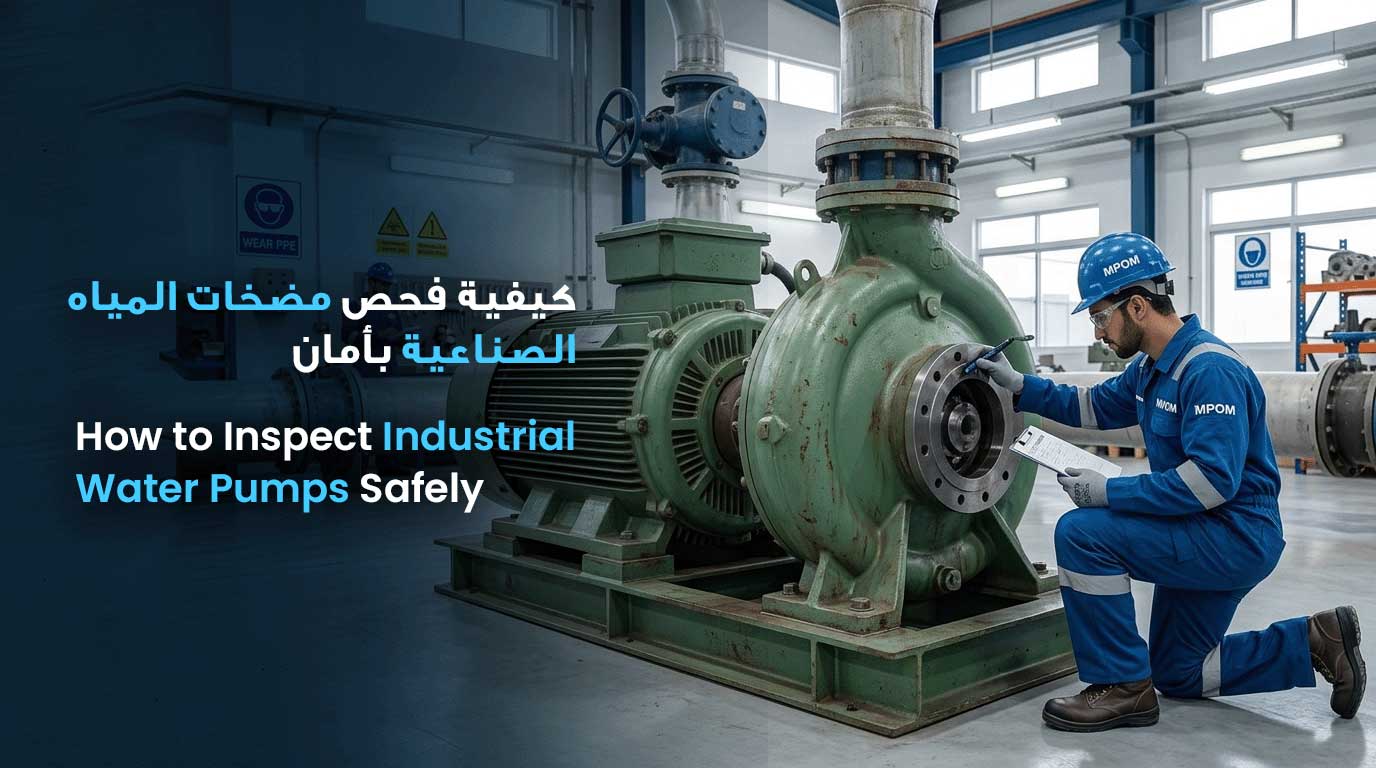
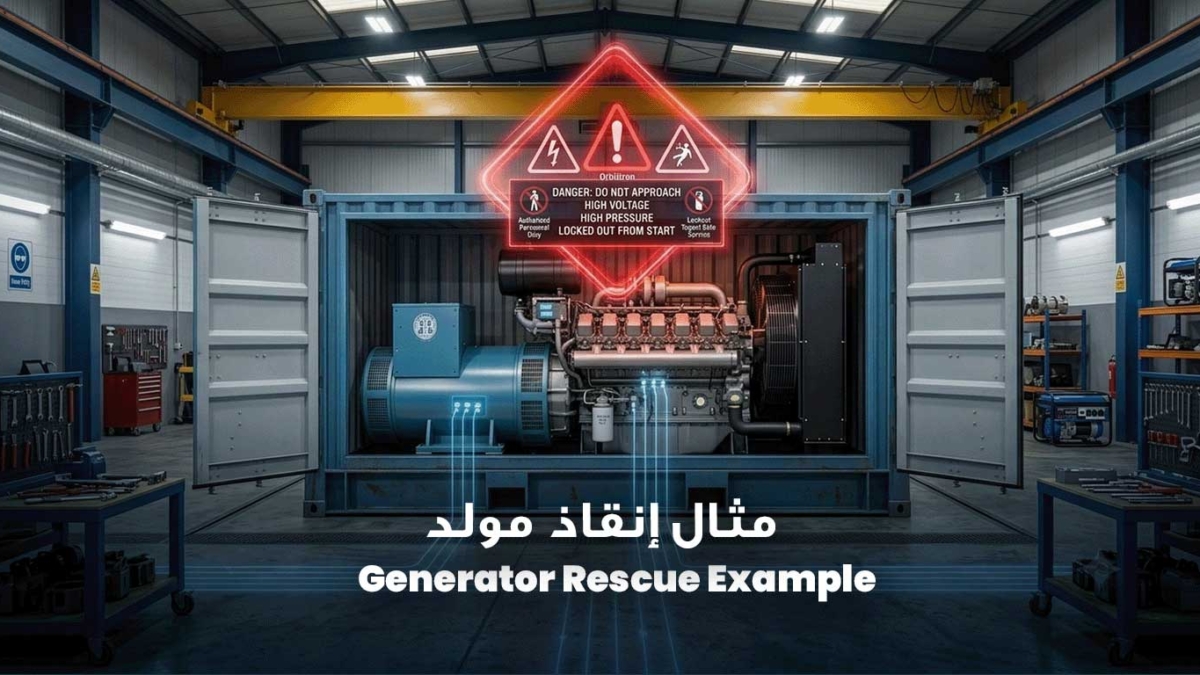
A generator shutdown during active operations is not simply a maintenance issue. It can stop pumps, lighting, refrigeration, production equipment, site communications, and safety systems within minutes. For teams searching for مثال إنقاذ مولد, the useful example is not a quick restart attempt. It is a controlled emergency recovery that identifies the failure, restores power safely, and prevents the same fault from returning during the next critical load demand.
Consider a representative field scenario: a standby diesel generator starts after a utility outage but trips less than a minute after taking load. The facility has essential electrical demand, the automatic transfer switch has already moved critical circuits to generator power, and operations cannot afford repeated failed starts. The correct response requires technical discipline from the first call through final load verification.
What a Generator Rescue Example Should Demonstrate
An emergency generator rescue should show more than whether the engine runs again. It should demonstrate whether the generator can carry the required load at stable voltage and frequency, with safe oil pressure, coolant temperature, fuel delivery, and electrical protection.
In this scenario, the first technician arriving on site does not immediately clear the alarm and restart the unit. Repeated reset attempts can damage the engine, overload the starting system, mask the actual fault, or create an unsafe electrical condition. Instead, the technician confirms the shutdown code, checks the control panel event history, and isolates the source of the trip before authorizing another start.
The goal is clear: restore the generator only after the team understands why it shut down and can verify that it will operate reliably under demand.
The Emergency Response Sequence
1. Secure the equipment and confirm the operating condition
The response begins with site safety and a clear operational picture. The technician confirms whether utility power is available, which loads are affected, whether the generator is connected to the transfer system, and whether there are hazards such as fuel leaks, overheating, exposed wiring, smoke, or abnormal noise.
The controller indicates a low fuel pressure alarm followed by an engine shutdown. That alarm is a diagnostic starting point, not a final diagnosis. A low-pressure code may be caused by restricted fuel flow, air entering the supply line, a failing lift pump, contaminated filters, a blocked tank pickup, damaged wiring, or an inaccurate sensor signal.
Before working on the fuel system, the technician documents the controller readings and inspects the engine compartment. This protects the repair process from guesswork and gives the facility team a clear record of the failure.
2. Diagnose the fuel supply problem from tank to injectors
The technician checks fuel level first, but does not stop there. A tank can show adequate fuel while a damaged pickup tube, water contamination, or sediment prevents consistent delivery to the engine.
In this example, the primary filter bowl contains contamination, and the fuel restriction is severe enough to allow the engine to start but not maintain fuel pressure once load increases. The engine’s demand rises, supply cannot keep up, and the controller trips the generator to protect it.
The repair team replaces the contaminated filters, drains the affected fuel water separator, inspects supply hoses for air leaks, and verifies lift-pump performance. The fuel system is then primed according to the engine manufacturer’s procedure. This matters because trapped air can create another no-start or unstable-running condition even after the original restriction has been removed.
Where the fault is not mechanically obvious, electronic diagnostics become essential. ECU or ECM data can help verify sensor plausibility, active fault codes, rail pressure behavior, crank speed, coolant readings, and other conditions that influence engine protection logic.
3. Test before returning critical loads
A no-load start is necessary, but it is not proof of a successful repair. The generator must stabilize at the correct operating speed and produce acceptable voltage and frequency before it is asked to support the facility.
After the engine runs normally at no load, the technician monitors oil pressure, coolant temperature, battery charging voltage, fuel pressure, exhaust condition, and abnormal vibration. The team then coordinates a controlled transfer or load application. Load is introduced progressively when operating conditions allow, while technicians watch for frequency drop, voltage instability, overheating, fuel starvation, or recurring alarms.
In this case, the generator accepts the required load without another fault. The team continues monitoring long enough to confirm the repair holds under normal operating conditions rather than declaring success after a short run.
4. Record the cause and protect the next operating cycle
The final stage is what separates emergency repair from long-term maintenance support. The service report should state the observed symptoms, controller alarms, diagnostic checks, parts replaced, test results, and recommended follow-up work.
For this generator, the immediate cause was fuel restriction caused by contamination. The broader issue is that the fuel system had not been inspected and serviced at a frequency suited to the unit’s environment and operating hours. A preventive plan should now include regular filter inspection, water drainage, fuel-quality monitoring, battery testing, cooling-system checks, belt and hose inspection, controller alarm review, and scheduled load testing.
Why Fast Restarting Can Create a Bigger Failure
Operations teams face pressure to restore power immediately. That pressure is real, especially on construction sites, industrial facilities, commercial properties, and infrastructure projects. However, a restart without diagnosis can turn a manageable service call into engine damage or a more serious electrical failure.
If the generator is tripping on low oil pressure, high coolant temperature, overspeed, low fuel pressure, or an alternator protection fault, bypassing or repeatedly resetting the alarm is not a repair. It may remove the warning while leaving the underlying risk in place.
The right approach depends on the fault. A loose battery connection may be corrected quickly after inspection and testing. A repeated high-temperature shutdown may require cooling-system diagnosis, radiator cleaning, thermostat testing, fan-belt inspection, coolant pressure checks, or water-pump repair. A generator that runs but cannot carry load may need alternator testing, automatic voltage regulator checks, breaker inspection, transfer-switch assessment, or load-bank testing.
When Emergency Generator Support Is Needed
A professional emergency response is especially valuable when a generator fails during a utility outage, trips under load, produces unstable voltage, will not crank, shows repeated controller alarms, overheats, leaks fuel or coolant, or has been inactive for an extended period.
It is also needed when a site has no clear maintenance history. Generators that sit unused can develop battery weakness, fuel contamination, stuck components, corroded terminals, degraded hoses, and control faults even when they appear clean from the outside. Standby equipment must be maintained as operating equipment because it is expected to perform without warning.
For operations across Dammam, Dhahran, Khobar, Jubail, and Alahsa, response speed matters, but so does having one technical partner capable of mechanical repair, electrical diagnostics, engine work, and parts support. MPOM approaches generator emergencies with that full-service perspective, helping teams move from fault isolation to tested recovery without unnecessary vendor delays.
Turning a Rescue Call Into Better Reliability
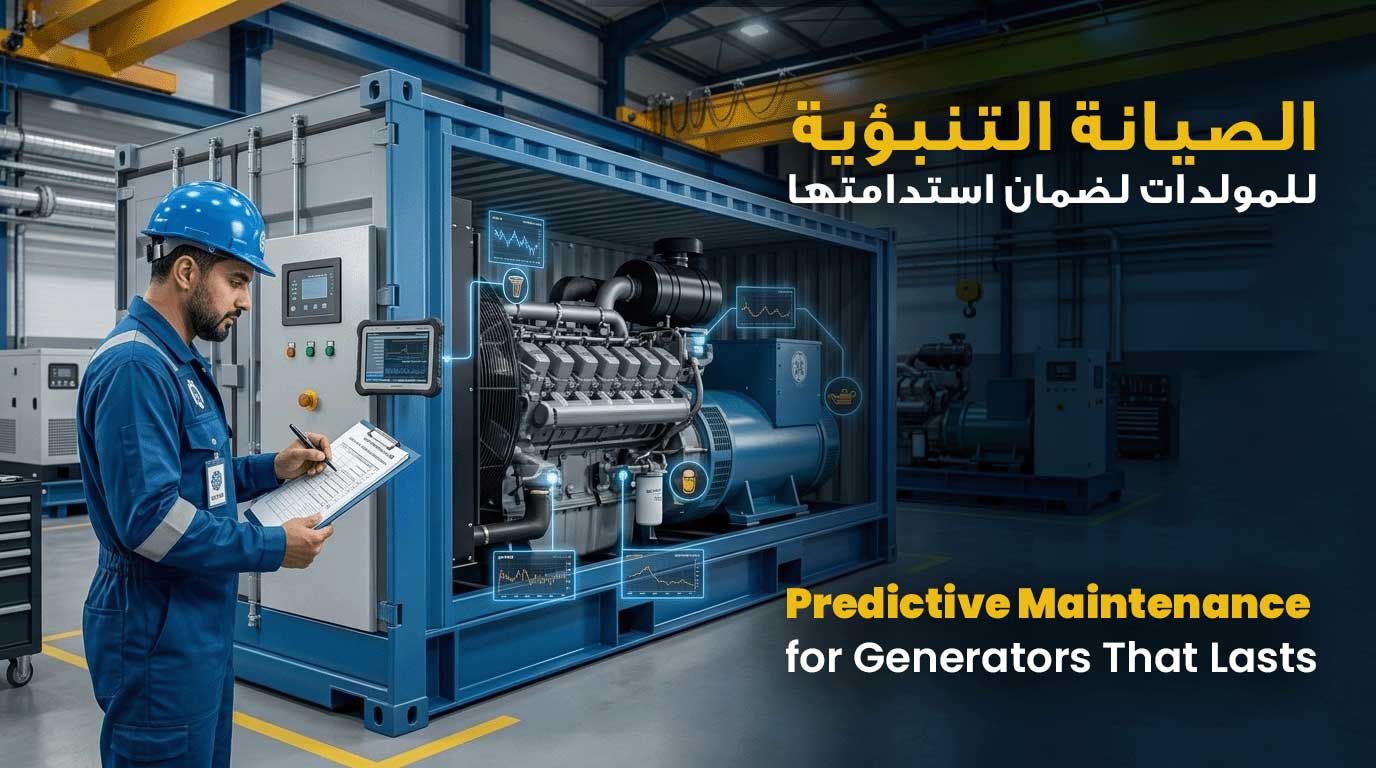
The best outcome from an emergency call is not merely restored power. It is a generator that is less likely to fail at the next outage. That requires reviewing the conditions that created the breakdown: service intervals, fuel storage practices, environmental exposure, load profile, battery condition, and the quality of previous repairs.
A practical maintenance program should be based on the generator’s duty, age, location, and criticality. A lightly used standby unit may need different attention than a prime-power generator operating daily in harsh industrial conditions. The common requirement is evidence: documented inspections, measured operating values, tested protection systems, and parts replaced before they become failure points.
When generator power is critical, treat every fault as operational data. A disciplined rescue response can restore the immediate service, but the real value comes from using that event to build a maintenance plan that keeps the next outage from becoming another emergency.