Compare engine overhaul vs engine rebuild for generators, trucks, and heavy equipment. Know the scope, cost drivers, and downtime factors before repair.
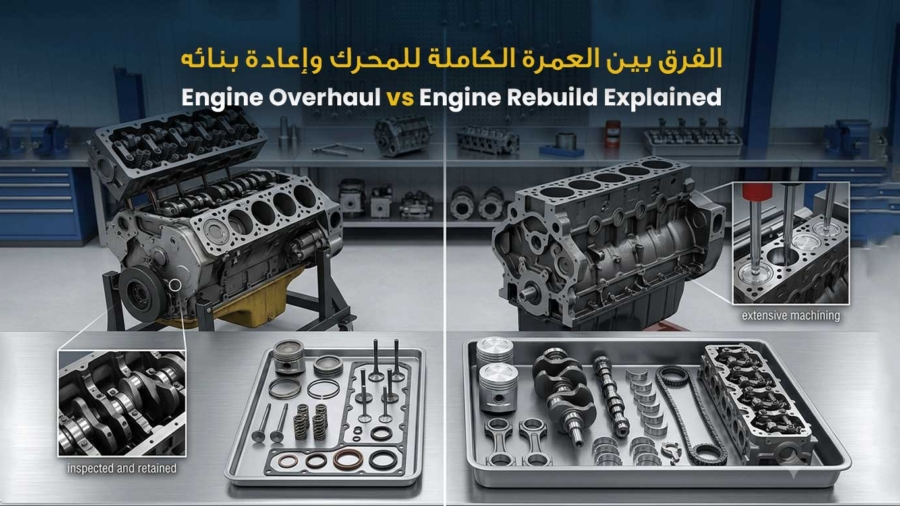
Compare engine overhaul vs engine rebuild for generators, trucks, and heavy equipment. Know the scope, cost drivers, and downtime factors before repair.
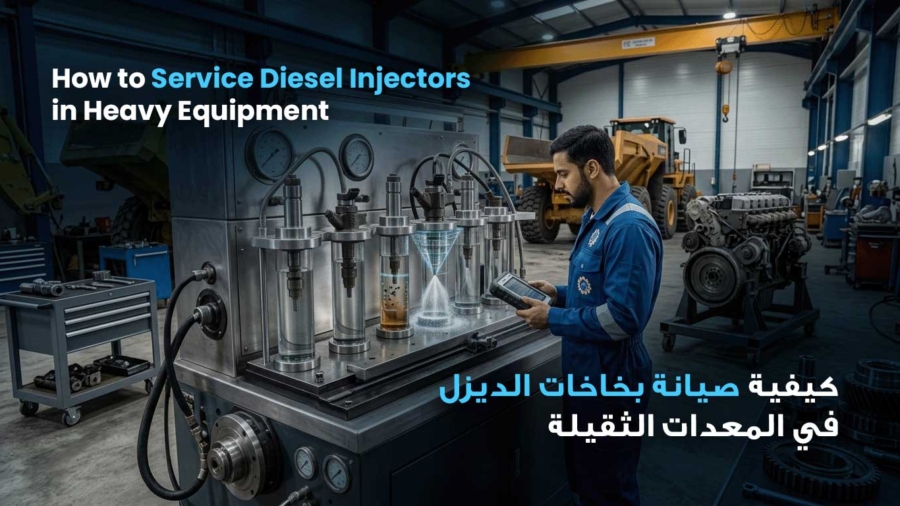
Learn how to service diesel injectors with a safe, practical process for industrial engines, from diagnosis and removal to testing, calibration, and refit.
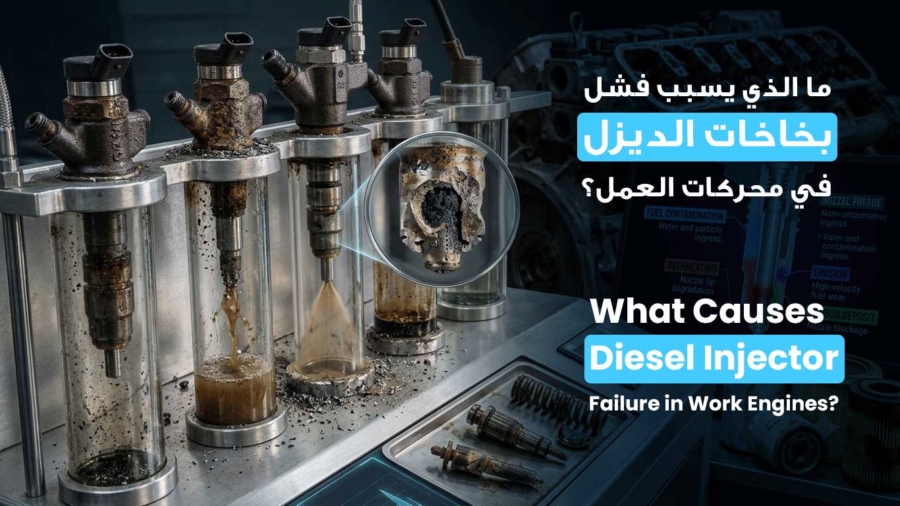
Learn what causes diesel injector failure, the warning signs to act on, and the maintenance steps that protect engines, fuel economy, and uptime on site.
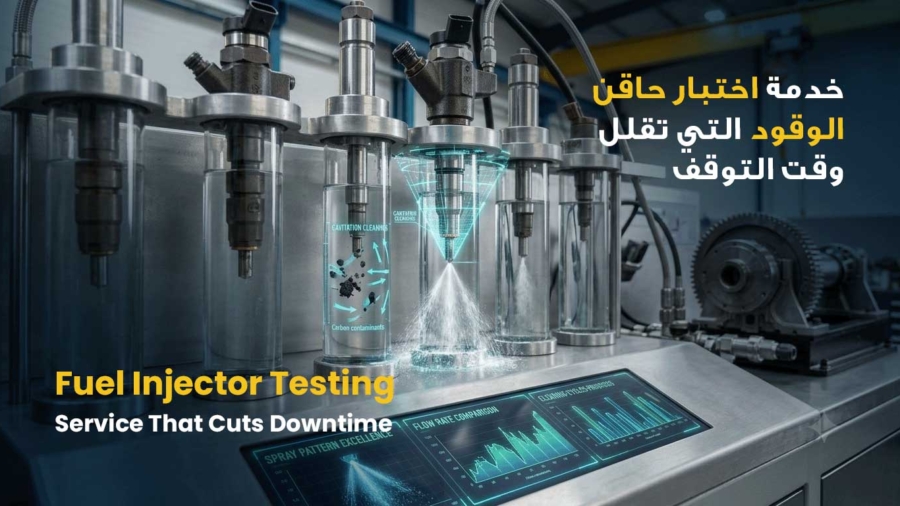
Fuel injector testing service helps prevent misfires, power loss, and downtime with accurate diagnostics, cleaning, calibration, and repair support.
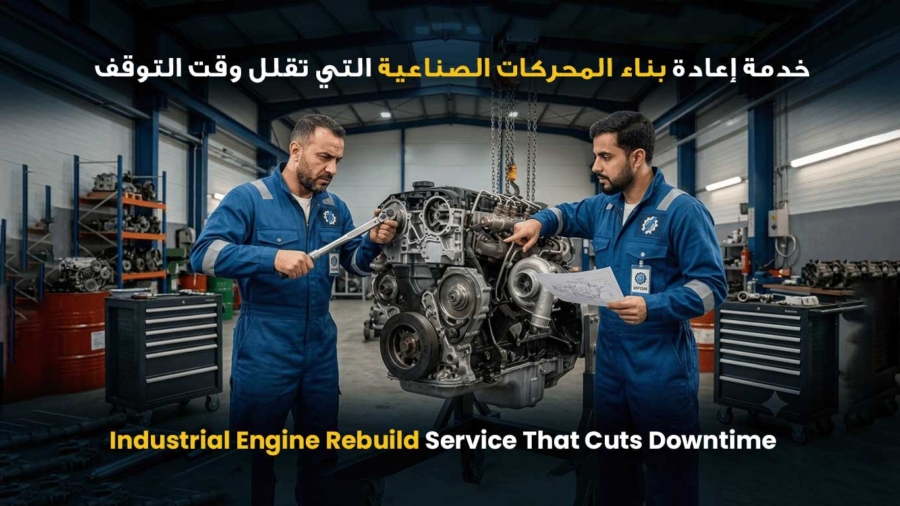
Industrial engine rebuild service restores power, reliability, and uptime with expert diagnostics, machining, parts control, and field-ready support.
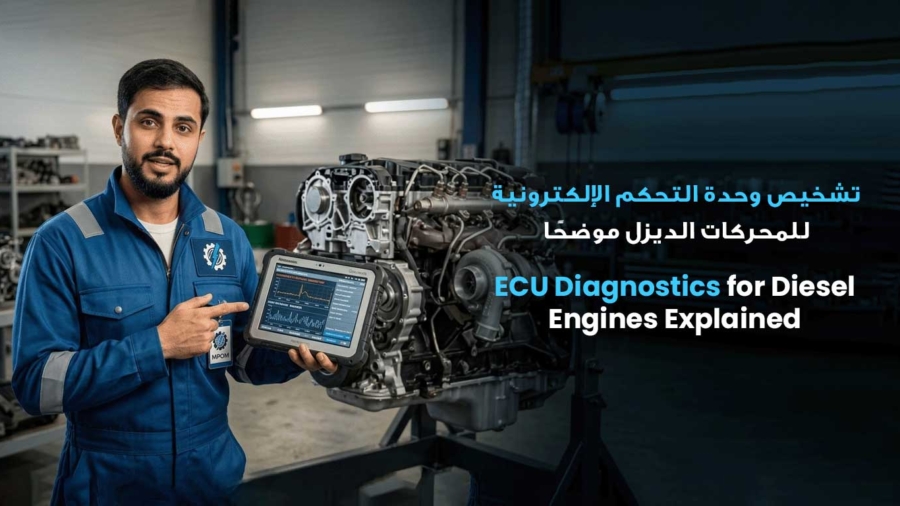
ECU diagnostics for diesel engines help identify faults early, protect uptime, and guide accurate repair decisions for industrial equipment and fleets.

Diesel injector pump repair helps restore fuel delivery, power, and reliability. Learn key failure signs, repair steps, and when fast service matters.

Learn when a heavy truck engine overhaul is the right call, what it includes, key warning signs, downtime factors, and how to protect fleet uptime.
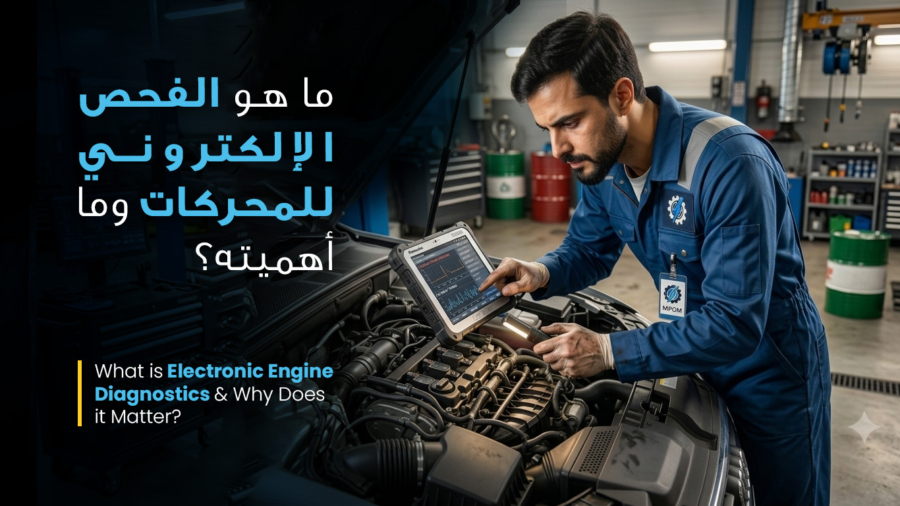
In the past, mechanics relied on their senses — listening for unusual sounds, looking for leaks, feeling for vibrations — to diagnose engine problems.
Today, modern engines in heavy trucks, construction equipment, and generators contain hundreds of sensors and electronic control units that monitor everything from oil pressure to injection timing to turbo exhaust temperature. Electronic diagnostics is the only way to read this data accurately and act on it.
Electronic diagnostics is the process of connecting a specialized diagnostic device to the engine’s Electronic Control Unit (ECU / ECM) via an OBD port or J1939 interface to read:
| Criteria | Traditional | Electronic |
| Accuracy | Estimated | Precise & specific |
| Time Required | Hours or days | Minutes |
| Based On | Mechanic’s experience alone | Data from the engine itself |
| Hidden Fault Detection | Difficult | Direct & reliable |
| Post-repair Calibration | Not available | Available & essential |
1. Saves Time and Money Instead of disassembling the engine in search of a problem, the diagnostic device pinpoints the faulty system within minutes. This directly reduces downtime and labor costs.
2. Catches Problems Before They Escalate Many faults begin as a minor warning code long before they develop into a major breakdown. Regular electronic scanning catches these faults at the earliest stage — when repair is cheap and fast.
3. Required After Every Repair Replaced an injector? Installed a new sensor? Changed a pump? Any electronic component requires calibration after installation. Without it, the engine may run below efficiency or display false fault codes.
4. Provides Documented Service History The electronic fault log gives you a verified record of the machine’s condition — essential for scheduled maintenance, resale, and warranty claims.
Not all diagnostic tools are equal. At MPOM, we use professional-grade systems:
Nexiq USB Link 2: A professional heavy-duty diagnostic interface covering most North American and European truck brands via J1939 and J1708 protocols. Supports fault code reading, live data, and module programming.
Jaltest Diagnostic System: One of the most comprehensive diagnostic platforms available. Covers heavy trucks, construction equipment, generators, cranes, and pumps across a wide range of brands: CAT, Komatsu, Volvo, Scania, MAN, Mercedes-Benz, Cummins, Perkins, MTU, Doosan, JCB, Liebherr, and more.
At Millennium Power Organization (MPOM), we provide comprehensive electronic diagnostics using Nexiq and Jaltest for all types of heavy trucks, construction equipment, and diesel generators — at your site or in our workshop in Dammam.
Millennium Power — Precise Diagnostics. Professional Repairs.
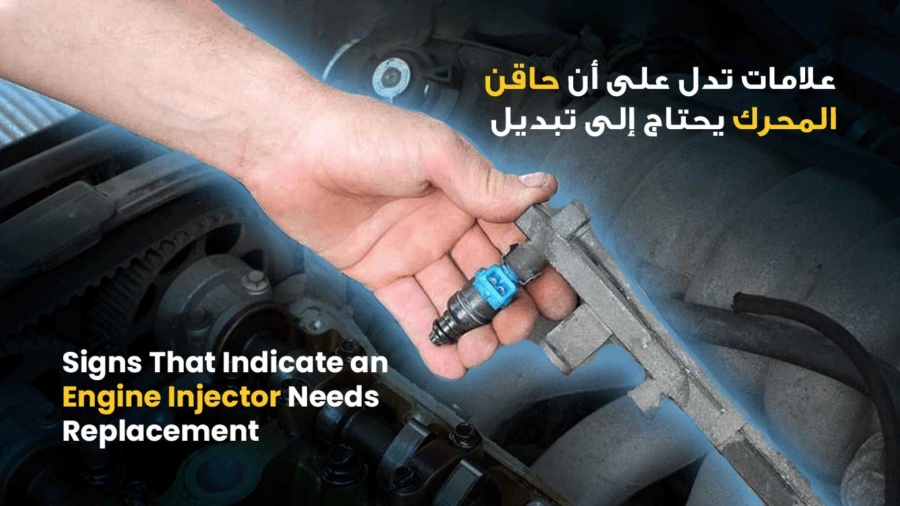
Fuel injectors are the core component of any diesel engine’s injection system. Their primary role is to deliver fuel at precise pressure into the combustion chamber at the right time and in the correct amount. When an injector starts to fail, the engine usually doesn’t stop suddenly; it gives early warning signs if you know what to watch for.
In this article, we highlight common indicators that suggest an injector needs inspection or replacement, based on our extensive experience diagnosing and repairing heavy truck engines, equipment, and generators in Dammam and the Eastern Province.
If the engine shakes or runs unevenly while idling (“rough idle”), this is often one of the earliest signs of an injector problem. A faulty injector delivers an incorrect amount of fuel each cycle, causing uneven combustion across cylinders.
What you might notice: A ticking sound or irregular engine rhythm while the vehicle is stationary.
If your truck, equipment, or generator begins to consume more fuel than usual without any change in operation, this is a clear warning. A worn or clogged injector disrupts the air-fuel mixture balance, forcing the engine to use extra fuel to maintain performance.
Indicator: An unexplained 10–20% rise in fuel consumption requires immediate inspection.
The color of exhaust smoke reveals much about injector health:
Both point to issues with injection pressure or timing.
If the engine struggles more than usual to start, especially when cold, one or more injectors may be leaking or failing to generate enough pressure. This problem is common in Gulf climates where temperatures fluctuate significantly between day and night.
If your engine used to handle heavy loads easily but now slows down or loses power under load, the fuel system may be at fault. A faulty injector cannot supply enough fuel for complete combustion, causing reduced torque and power.
Practical effect: The truck climbs hills more slowly, or the generator struggles to handle full load.
Modern engines with Electronic Control Units (ECUs) can detect injector issues. Diagnostic tools like Nexiq and Jaltest often report fault codes such as:
While these codes don’t always mean an injector must be replaced immediately (sometimes wiring issues are to blame), they are a crucial starting point for diagnosis.
Look closely around injectors for any signs of fuel or oil leaks at the injector base or cylinder head. Leaks often originate from damaged O-rings or injector bodies. Besides reducing performance, leaks are a serious fire hazard.
Don’t ignore early warnings. Delaying can cause damage to the cylinder head or high-pressure pump.
Conduct a full electronic diagnostic with specialized tools to pinpoint the faulty injector before replacement.
Always use OEM or certified injectors. Low-quality replacements fail quickly and may severely damage your engine.
At Millennium Power Organization (MPOM), we use advanced diagnostic tools like Nexiq and Jaltest to inspect fuel injection systems on all major brands of heavy trucks, equipment, and generators, including:
Volvo, Scania, MAN, Mercedes-Benz, Caterpillar, Cummins, Perkins, Doosan, Komatsu, MTU
We offer on-site services or workshop repairs in Dammam’s Industrial Area.
Millennium Power Organization — Technical Expertise, Genuine Parts, Reliable Service.