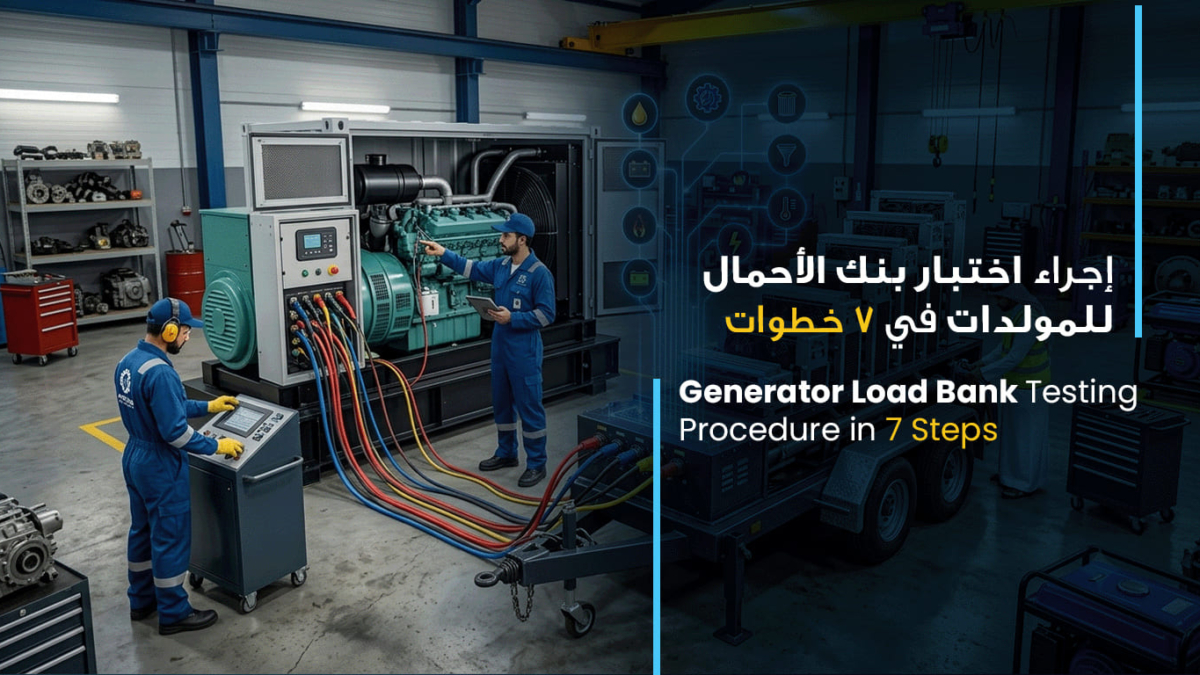
A generator that starts successfully with no load may still fail when the facility needs it most. A disciplined generator load bank testing procedure confirms that the engine, alternator, controls, cooling system, and fuel delivery can operate under realistic demand. For standby generators supporting industrial sites, commercial facilities, infrastructure, and construction operations, this test is a direct check on whether backup power is truly available.
Load bank testing is not simply a run test with a larger electrical load. It is a controlled maintenance activity that requires correct sizing, safe connections, qualified technicians, and documented results. Done properly, it exposes weaknesses before a utility outage, emergency shutdown, or critical production event makes them costly.
Why Load Bank Testing Matters
Standby generators often spend long periods at light load. While routine exercise runs confirm basic starting and control functions, they may not reveal overheating, unstable voltage, fuel restriction, weak turbocharger performance, governor response problems, or alternator defects. A load bank applies a measured electrical demand so technicians can evaluate how the generator performs when its systems are working together.
Testing at sufficient load also helps prevent issues associated with persistent low-load operation in diesel engines, including wet stacking. Unburned fuel, carbon, and moisture can collect in the exhaust system when the engine does not reach a proper operating temperature. The correct test load and duration depend on the generator rating, engine condition, site requirements, manufacturer guidance, and whether the generator can be tested against the building load.
For facilities with life-safety, operational, or contractual standby requirements, documented load testing provides evidence that maintenance is being managed rather than assumed. It can also support planning for repairs before a component reaches failure point.
Generator Load Bank Testing Procedure: Preparation First
The most valuable part of a load bank test often happens before the load is connected. A technician should review the generator’s rated kW and kVA, voltage, phase, frequency, power factor rating, fuel type, service history, and previous test records. The load bank must be sized and configured to suit the generator and test objective.
A resistive load bank is common for verifying the generator’s kW capacity and engine performance. Reactive or combined resistive-reactive testing may be needed where power factor behavior, alternator capability, or a more representative facility load must be evaluated. Applying the wrong type or amount of load can create misleading results or place unnecessary stress on equipment.
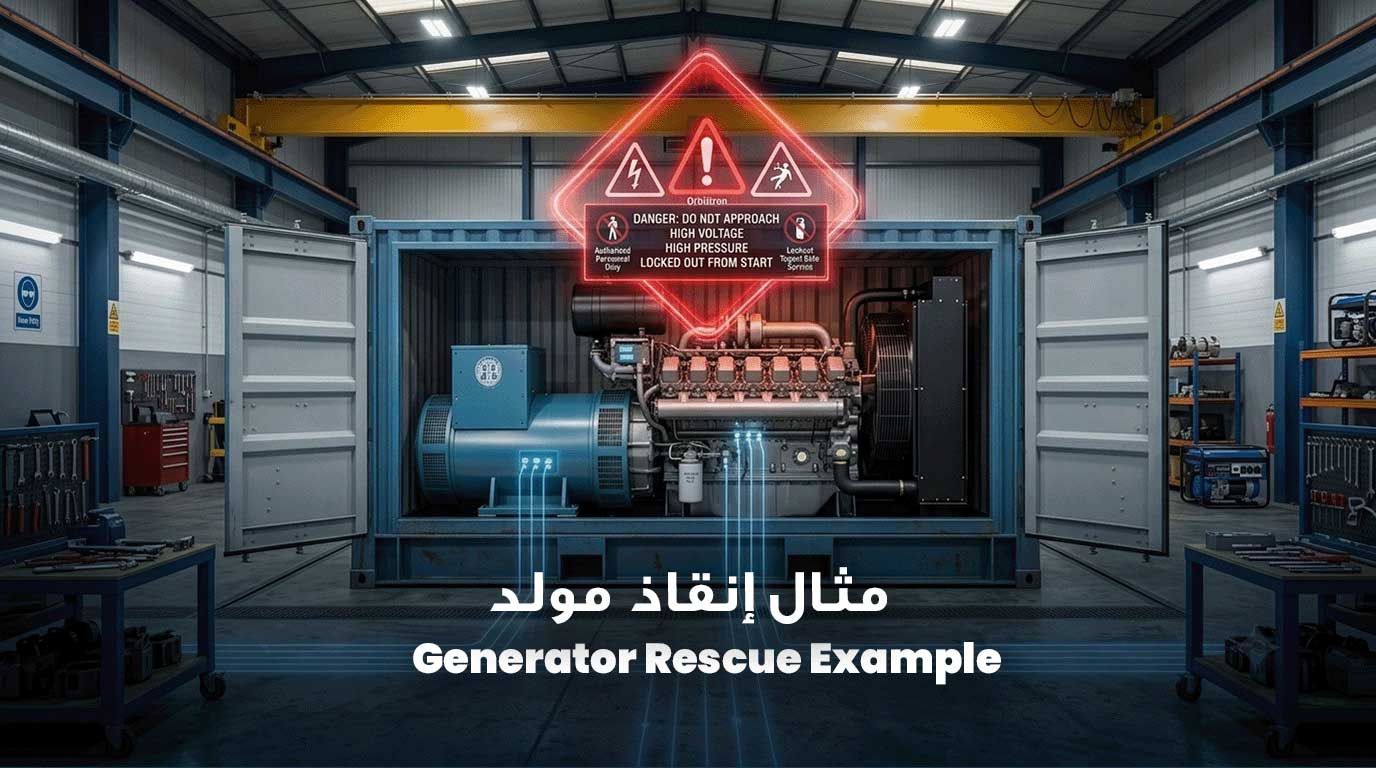
Before work begins, establish a safe work area. Confirm adequate ventilation, exhaust discharge, access control, grounding, cable condition, emergency shutdown availability, and fire precautions. The generator and load bank produce significant heat, noise, exhaust, and electrical energy. Testing should be performed by trained personnel following site safety procedures, applicable electrical requirements, and the equipment manufacturer’s instructions.
1. Inspect the Generator and Supporting Systems
Start with a visual and mechanical inspection. Check for oil, coolant, or fuel leaks; damaged wiring; loose terminals; worn belts; hose condition; battery terminals; air filter restriction; exhaust integrity; and signs of rodent or moisture damage. Verify that engine oil and coolant levels are correct and that the fuel supply is sufficient for the planned test duration.
Inspect the automatic transfer switch and generator control panel where they are part of the test scope. Review active alarms, fault history, battery charger condition, and controller settings. A test should not proceed until unexplained alarms or safety concerns are resolved.
2. Isolate or Coordinate With Facility Loads
Determine whether the generator will supply a dedicated load bank, the facility load, or a combination of both. A dedicated external load bank allows controlled testing without placing the site at risk. Testing on actual building load can be useful, but it requires careful coordination to avoid interruptions to critical equipment or unintended backfeed conditions.
Use an approved switching plan. Notify affected operations teams, identify critical loads, confirm transfer switch operation, and assign clear responsibility for each step. Lockout and tagout requirements must be followed whenever equipment isolation is necessary. Never assume a breaker position or cable identification is correct without verification.
3. Connect and Verify the Load Bank
Connect load bank cables to the approved generator output connection point using correctly rated conductors, lugs, and protective equipment. Confirm phase sequence, grounding, connection tightness, and cable routing. Cables must be protected from vehicle traffic, sharp edges, standing water, and unauthorized access.
Before applying load, verify the generator output voltage and frequency at no load. Compare readings against the generator nameplate and controller settings. A voltage or frequency issue at this stage may point to a governor, AVR, sensing, battery, or control problem that should be corrected before the test continues.
4. Start the Generator and Stabilize Operation
Start the generator manually or through the planned transfer sequence. Allow it to reach stable operating temperature before applying significant load. During warm-up, technicians should observe oil pressure, coolant temperature, battery charging voltage, engine speed, frequency, exhaust condition, and any warning indicators.
A short no-load warm-up is not a substitute for a full load test, but it gives the team an opportunity to identify obvious problems safely. Excessive smoke, fuel leaks, abnormal vibration, unusual mechanical noise, or unstable speed are reasons to stop and investigate.
5. Apply Load in Controlled Increments
Increase load gradually, commonly in steps, while monitoring generator response at each level. The exact loading schedule depends on the equipment rating and test plan. For example, a technician may apply a moderate initial load, confirm stable operation, and then increase toward the required test percentage.
At every stage, record voltage, current on each phase, frequency, kW, power factor where applicable, oil pressure, coolant temperature, fuel level, exhaust appearance, and ambient conditions. Monitor for uneven phase loading, voltage drop, frequency hunting, rising temperature, smoke, or protective alarms.
The goal is not to force a failing generator to complete a test. The goal is to identify its true condition without causing preventable damage. If readings move outside acceptable limits, reduce the load or stop the test, then diagnose the cause. Continuing through a serious alarm can turn a repairable issue into an engine, alternator, or control-system failure.
6. Hold the Required Load and Assess Performance
Once the target load is reached, maintain it for the duration specified by the maintenance plan, governing requirement, or manufacturer recommendation. The hold period allows temperatures and operating pressures to stabilize. It is also when restricted fuel flow, marginal cooling capacity, turbocharger concerns, failing sensors, and weak electrical regulation are more likely to appear.
Pay close attention to trends rather than relying on a single reading. A generator that begins at normal coolant temperature but climbs steadily during the hold period may have a cooling-system issue. Frequency that drifts as the engine warms can indicate governor or fuel-system concerns. Voltage variation between phases may require inspection of alternator windings, connections, AVR settings, or load balance.
7. Remove Load, Cool Down, and Document Results
Reduce the load gradually unless the test plan or equipment design specifies otherwise. After disconnecting the load, allow the generator to run unloaded for the required cool-down period so internal temperatures can stabilize. Then shut down the unit according to the operating procedure and inspect it again for leaks, odors, loose connections, or alarms.
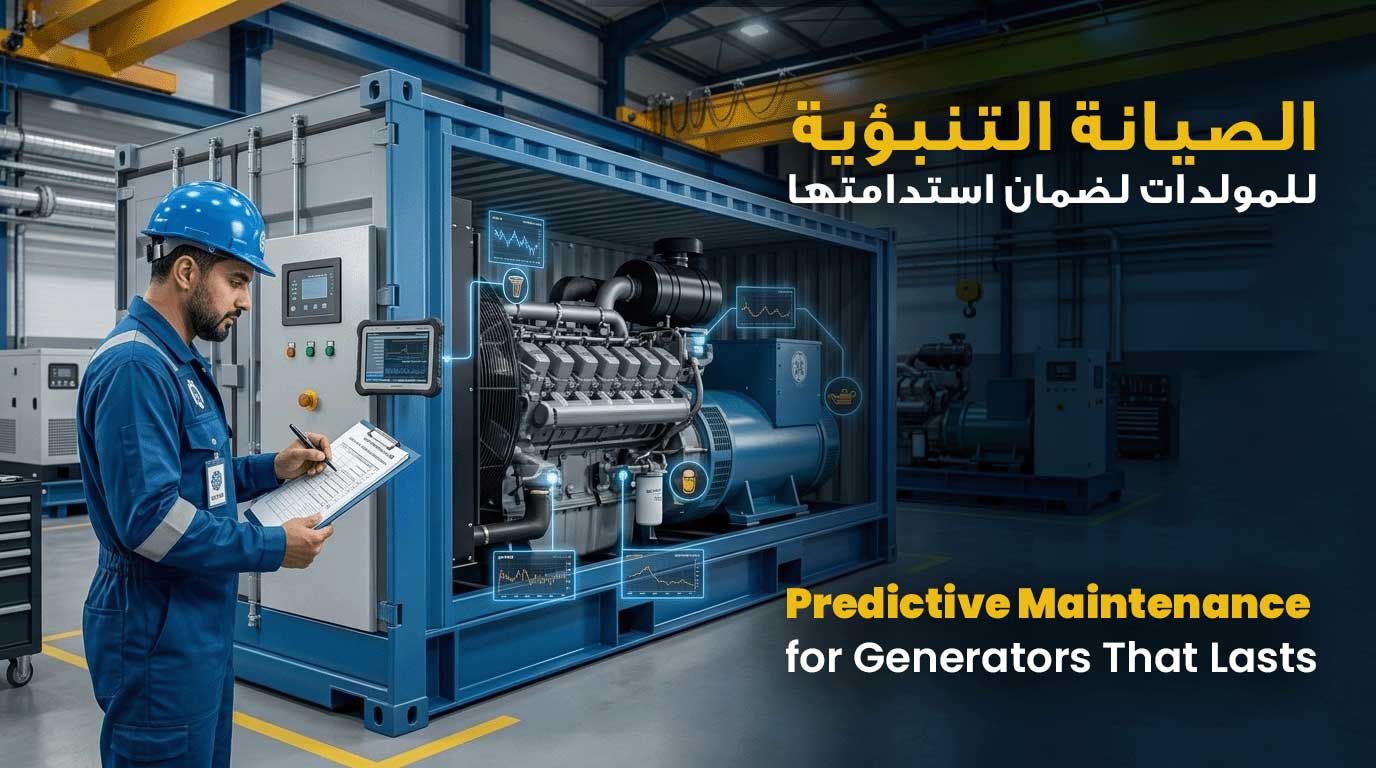
A proper test report should record the generator identification, date, technician, runtime, load-bank type, load levels, duration, electrical readings, engine readings, alarms, corrective actions, and final condition. Include any recommended follow-up work with a clear priority. This record makes future trend analysis possible and helps maintenance teams make informed decisions about parts, repairs, and replacement planning.
Common Findings During Load Testing
Load bank testing frequently identifies conditions that are not obvious during weekly exercise runs. These include weak starting batteries, low charging output, clogged radiators, failing thermostats, fuel filter restrictions, governor instability, AVR faults, loose output connections, phase imbalance, and excessive exhaust smoke.
Not every abnormal reading means the generator requires major repair. A high temperature may be caused by restricted airflow around the radiator, while voltage instability may come from a loose sensing connection. The value of a qualified test is that it separates minor service needs from risks that can affect emergency power availability.
Make Testing Part of an Uptime Plan
The best test interval depends on generator use, standby criticality, environmental conditions, manufacturer guidance, and applicable site requirements. Equipment operating in high heat, dust, humidity, or demanding industrial environments may need closer inspection and more frequent attention than a lightly used indoor unit.
For operations across Dammam, Dhahran, Khobar, Jubail, and Alahsa, coordinating load bank testing with preventive maintenance helps avoid emergency repair decisions during an outage. Millennium Power Operations & Maintenance can support generator inspection, diagnostics, load testing, corrective repair, and parts supply as part of a practical maintenance program.
A generator should never be judged ready because it starts. Test it under controlled demand, document what it does, and act on the findings while there is still time to protect the operation.