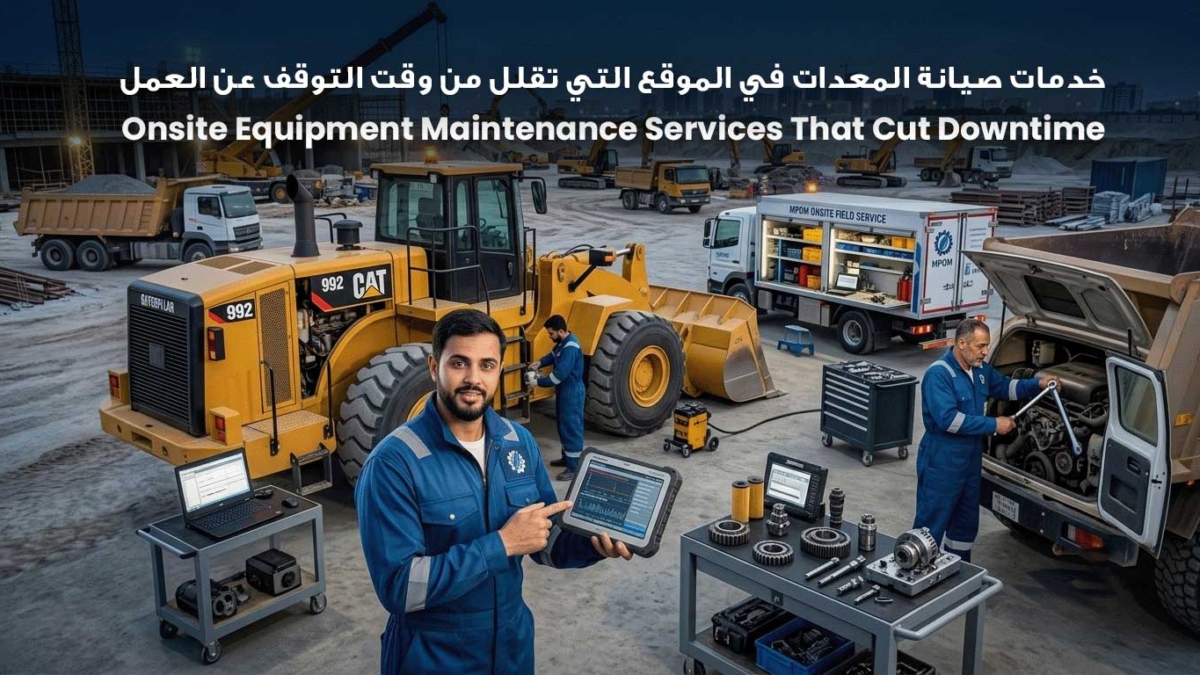
A generator that will not start, a forklift with intermittent hydraulic loss, or a water pump running outside normal pressure can stop an entire work area within minutes. Onsite equipment maintenance services bring qualified technicians, diagnostic capability, repair tools, and the right parts to the asset, reducing the time and risk involved in moving critical machinery to a workshop.
For operations teams, the objective is not simply to repair a fault. It is to restore safe, dependable operation while identifying the condition that caused the failure. That requires a maintenance partner that understands engines, electrical systems, fuel delivery, hydraulics, controls, and the operating demands placed on industrial equipment.
What Onsite Equipment Maintenance Services Should Deliver
Field maintenance is most valuable when it is planned around the equipment’s role in your operation. A standby generator requires readiness testing and load-related checks. A construction machine needs attention to operating hours, dust exposure, cooling performance, and hydraulic condition. A forklift fleet needs fast response because even one unavailable unit can affect loading schedules and warehouse throughput.
Effective onsite service begins with a structured inspection. The technician should verify the reported symptom, check operating parameters, inspect related components, and confirm whether the equipment can remain safely in service. This avoids a common and costly mistake: replacing the component that appears to have failed without addressing the underlying issue.
For example, recurring injector problems may point to contaminated fuel, filtration issues, or incorrect fuel-system pressure. Repeated overheating can result from a blocked radiator, weak pump, damaged fan, thermostat failure, coolant condition, or excessive engine load. The correct repair depends on evidence, not assumptions.
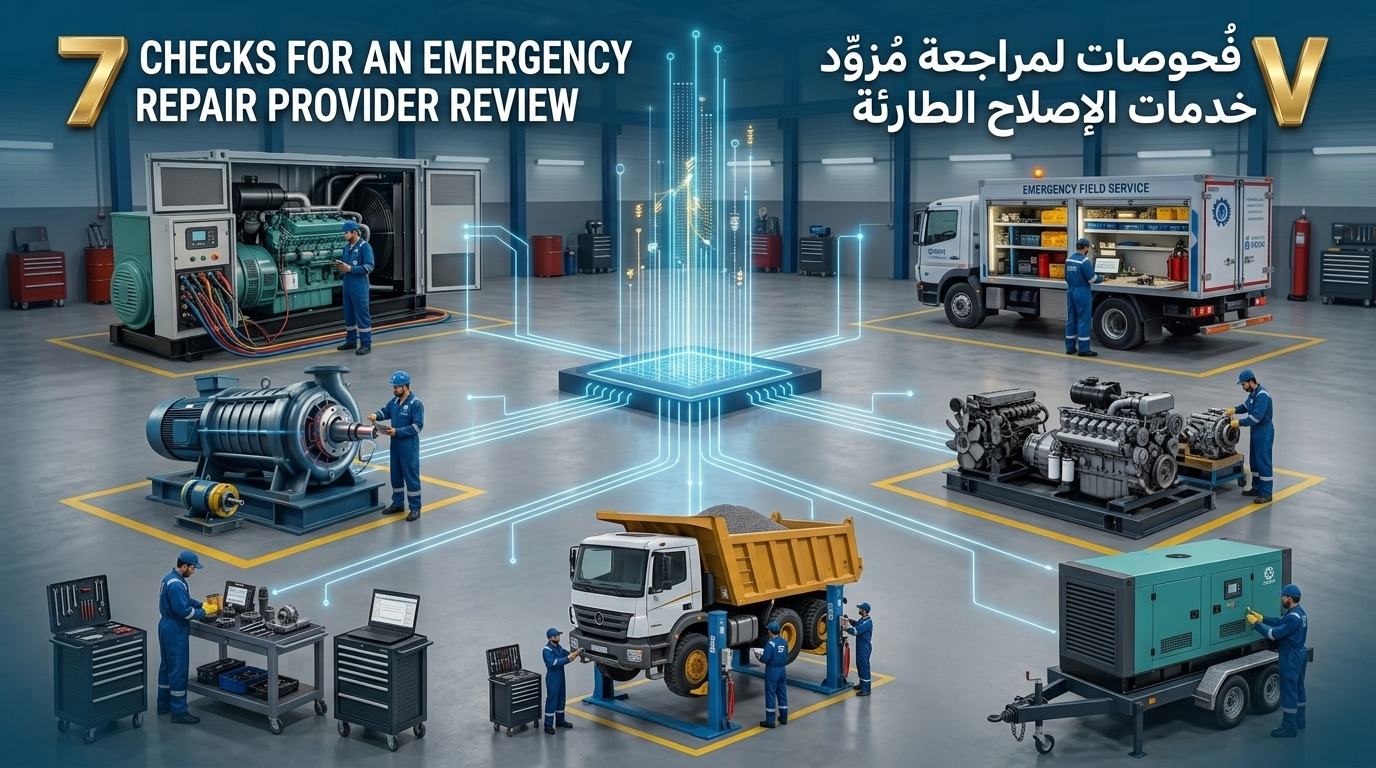
A capable field service program typically covers preventive maintenance, fault diagnosis, corrective repairs, emergency response, fluid and filter service, electrical troubleshooting, and parts replacement. Where an onsite repair is not technically appropriate, the service provider should clearly explain the repair scope, transport requirements, rebuild options, and expected turnaround.
Preventive Maintenance Protects Uptime and Budget
Unplanned failures are expensive because they create costs beyond the repair invoice. Idle crews, delayed deliveries, rental equipment, missed production targets, emergency logistics, and safety exposure can quickly exceed the cost of a scheduled service visit.
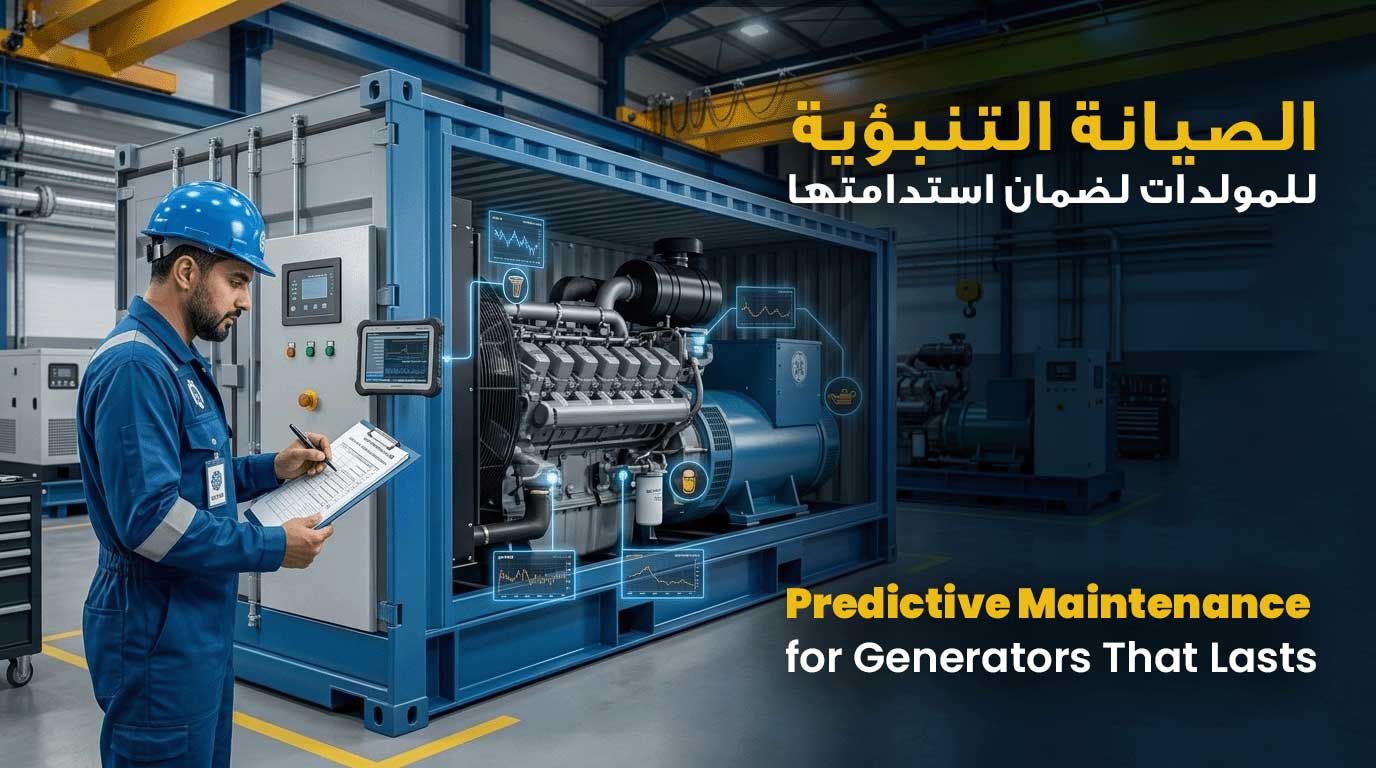
Preventive maintenance gives managers control over that risk. Instead of waiting for a fault code, warning light, low pressure alarm, or no-start condition, equipment is serviced according to operating hours, duty cycle, manufacturer requirements, and site conditions. In demanding environments, calendar-based maintenance alone is rarely enough. Equipment operating long shifts, carrying heavy loads, or working in heat and dust may require shorter inspection intervals.
A practical maintenance plan should document service dates, hour-meter readings, fluids used, filters replaced, observations, active faults, and recommended follow-up work. That record supports budget planning and helps identify repeated issues across a fleet. It also gives procurement and operations teams a clearer basis for deciding whether to repair, rebuild, or schedule a major overhaul.
The right interval depends on the asset. Over-servicing can waste materials and labor, while extending intervals too far can accelerate wear. A maintenance partner should recommend a schedule based on real operating conditions rather than applying the same checklist to every machine.
Key Areas That Need Field Attention
Engine-driven equipment depends on several systems working together. During an onsite visit, technicians should assess lubrication condition, cooling efficiency, belts and hoses, battery health, charging performance, air intake restriction, fuel quality, filters, leaks, vibration, and abnormal noise. These checks are basic, but they often reveal developing faults before they become major failures.
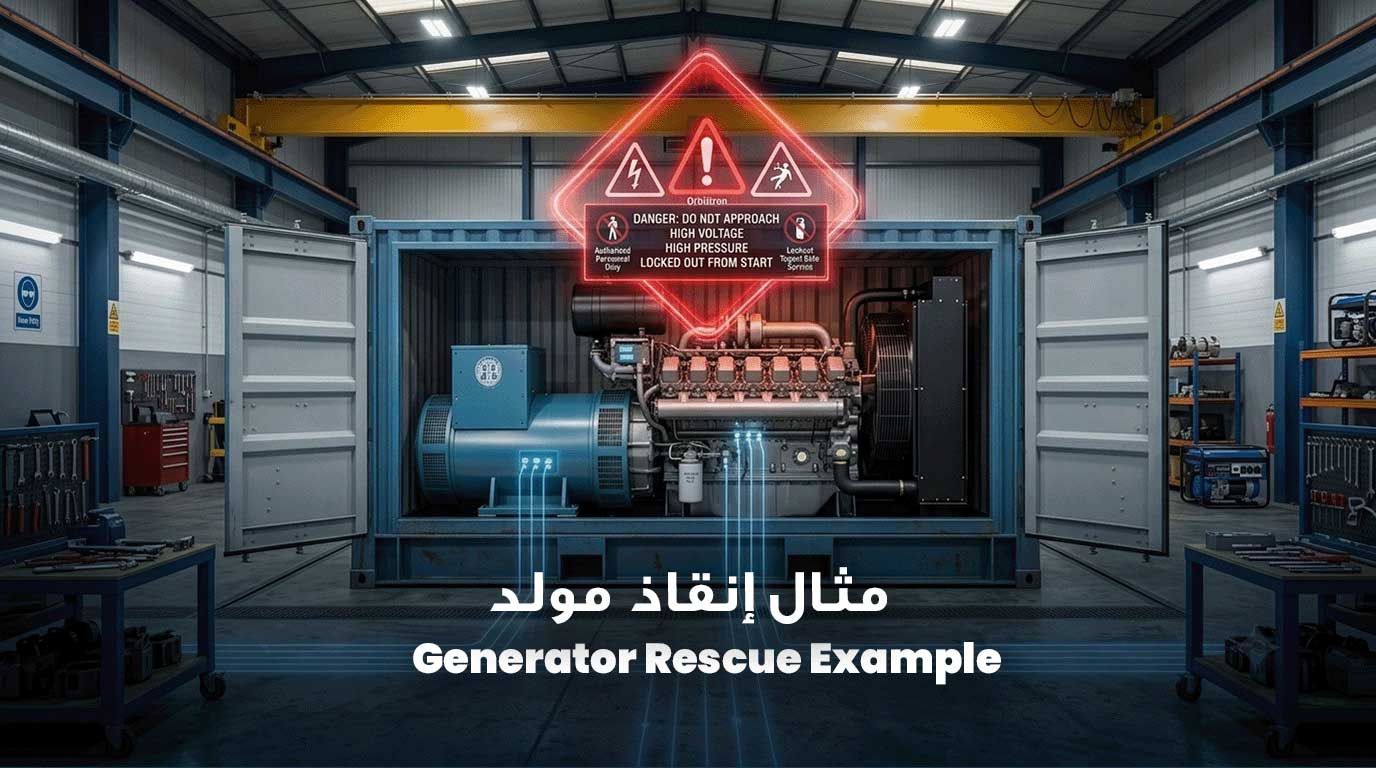
For generators, maintenance should also include control-panel review, starting system checks, battery charger performance, fuel-system inspection, automatic transfer switch coordination where applicable, and operational testing. A generator that starts without load is not automatically ready for an emergency. Performance under expected operating conditions matters.
Material handling equipment requires close attention to brakes, steering, tires, chains, forks, mast operation, hydraulic leaks, battery or engine condition, and safety interlocks. Small defects can become serious safety problems when equipment is used repeatedly in busy loading areas.
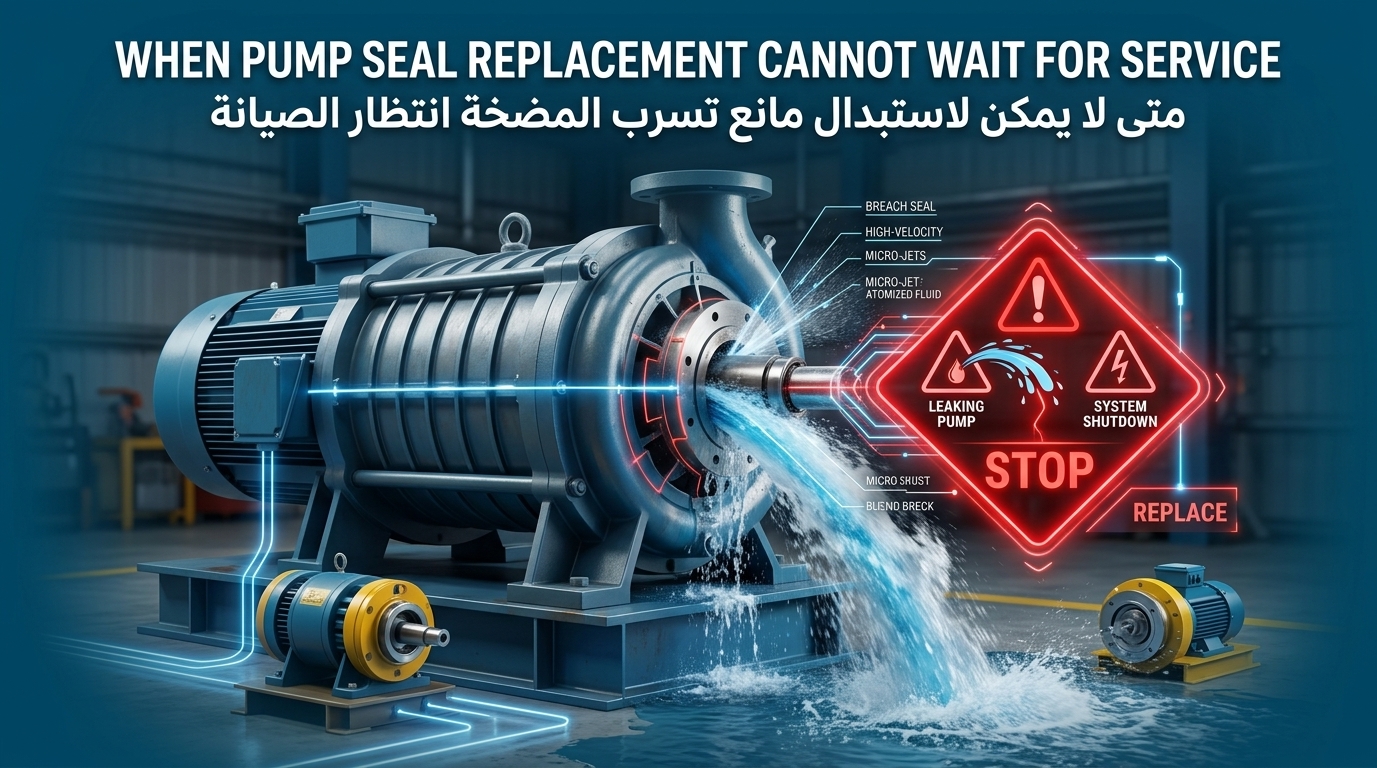
Industrial water pumps require a different approach. Technicians need to evaluate pressure, flow, seal condition, alignment, bearings, coupling condition, suction performance, and signs of cavitation. Replacing a seal without correcting alignment or suction conditions may only delay the next shutdown.
Diagnostics Must Go Beyond Visible Damage
Modern equipment combines mechanical systems with sensors, electronic controls, and engine control modules. A repair team that can only inspect mechanical components may miss the source of a recurring fault. ECU and ECM diagnostics help identify stored codes, sensor abnormalities, communication issues, derate conditions, and performance data that cannot be confirmed through visual inspection alone.
However, diagnostic codes are a starting point, not a final answer. A code may identify an affected circuit or operating condition, while the actual cause may be wiring damage, a poor ground, contamination, a failed sensor, or a mechanical condition outside the expected range. Skilled technicians combine scan-tool data with electrical testing, pressure checks, visual inspection, and operating experience.
This approach is particularly important for diesel engines, fuel-injection systems, and electronically controlled generators. Accurate diagnosis reduces unnecessary parts replacement and helps prevent repeat callouts. It also gives maintenance managers a clearer explanation of the repair decision and the risks of deferring recommended work.
Emergency Repairs Need a Disciplined Response
When critical equipment fails, speed matters. But fast service should not mean rushed decisions or incomplete repairs. The first priority is to make the area safe, isolate the equipment if needed, and establish the failure condition. From there, the technician can determine whether an onsite repair will return the unit to reliable service or whether further work is required.
A disciplined emergency response includes confirming the equipment model and serial details, reviewing the operating history when available, bringing appropriate diagnostic tools, and checking parts availability early. Clear communication is equally important. Operations teams need to know what has failed, what can be repaired immediately, what parts are required, and whether temporary operating limits are necessary.
For businesses in Dammam, Dhahran, Khobar, Jubail, and Alahsa, local field support can significantly reduce the delay associated with transporting equipment or waiting for a specialist to arrive from outside the region. It is especially valuable for fixed generators, industrial pumps, and large machines that are difficult or unsafe to move.
Parts Availability Is Part of the Maintenance Strategy
A strong repair is only as dependable as the parts installed. Filters, belts, seals, hoses, injectors, bearings, electrical components, and overhaul kits must match the equipment specification and the intended operating conditions. Using an unsuitable part may create fitment problems, reduce service life, or introduce a new failure point.
Parts sourcing should be connected to service planning. Common wear items can be identified in advance and stocked according to fleet type and maintenance schedules. Critical spares for generators, pumps, and high-use material handling equipment may deserve special attention because a low-cost component can cause a high-cost shutdown.
There are times when genuine parts are the best choice, particularly for components with exact performance requirements or warranty considerations. In other cases, quality aftermarket options may be appropriate when they meet the required specifications and support the maintenance budget. The decision should be based on application, reliability needs, availability, and total operating cost, not price alone.
Choosing a Field Maintenance Partner
The right provider should be able to support the full lifecycle of your equipment, from routine inspections to emergency repair, engine overhaul, electronic diagnostics, and parts supply. Using separate vendors for every task can slow decisions and create gaps in accountability. A centralized partner gives your team one technical point of contact and a more complete maintenance history.
Ask practical questions before engaging a service provider. Can they diagnose both mechanical and electronic faults? Do they support your equipment types and brands? Can they source the parts required for routine and urgent work? Will they provide clear findings and repair recommendations? Do they understand the urgency of equipment that supports production, logistics, or essential facilities?
Millennium Power Operations & Maintenance supports businesses that depend on generators, heavy equipment, trucks, forklifts, industrial pumps, and diesel engines to keep working. The focus is straightforward: respond quickly, diagnose accurately, repair correctly, and help prevent the next interruption.
Equipment downtime is rarely convenient, but it does not have to become a recurring operational problem. A well-managed onsite maintenance program gives your team earlier warning of failure, faster technical support when issues occur, and greater confidence that critical assets will be ready when the work depends on them.