A generator that is smoking under load, a truck losing compression, or an excavator consuming oil cannot be kept productive with repeated minor repairs. The engine overhaul vs engine rebuild decision determines the repair scope, outage duration, reliability outcome, and total cost of returning that asset to service. For operations teams, the right answer is not based on terminology alone. It depends on what failed, what measurements show, and how long the equipment must remain dependable.
Engine overhaul vs engine rebuild: the practical difference
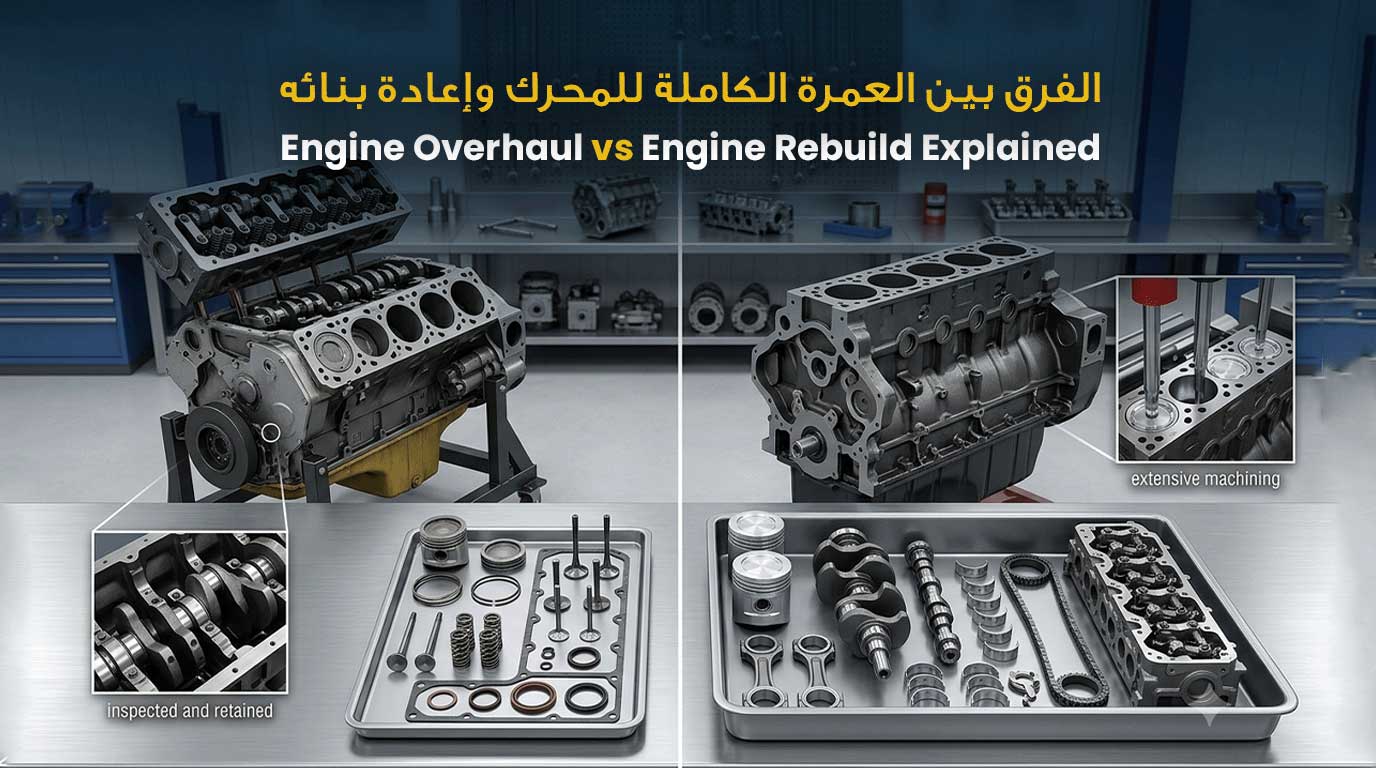
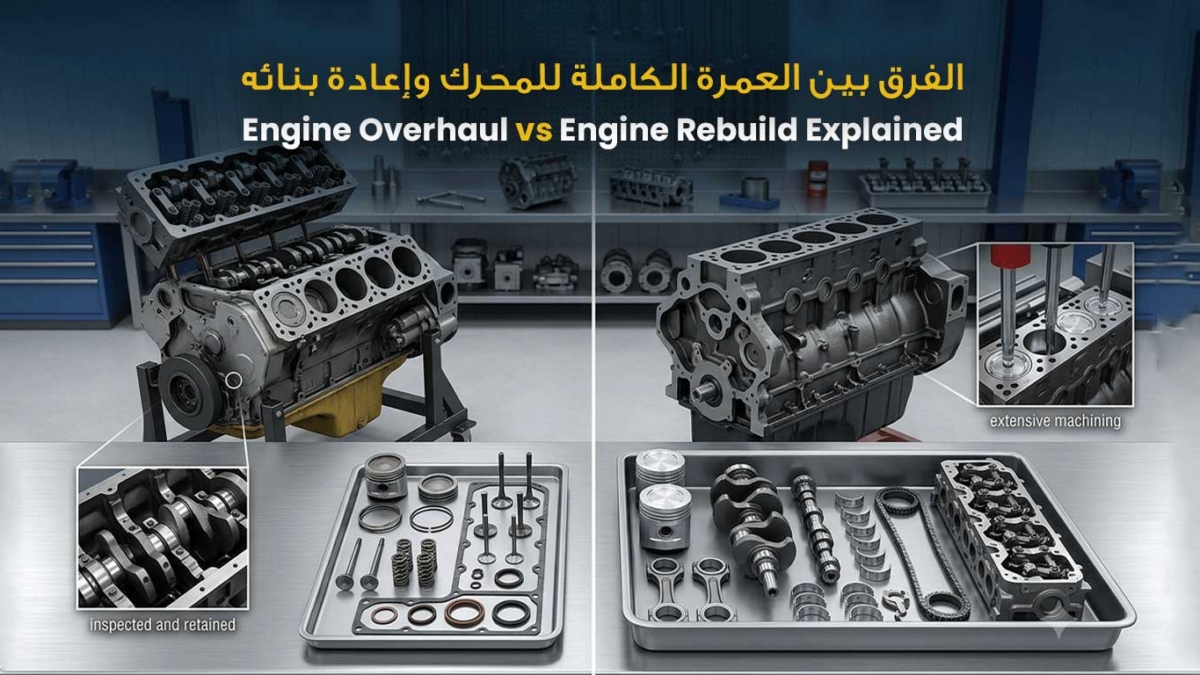
In industrial maintenance, an engine overhaul generally means restoring the engine through a planned inspection and replacement process. The engine may be removed or worked on in place, depending on the model and access. Technicians disassemble the necessary components, inspect wear items, measure critical clearances, and replace parts that have reached service limits.
An overhaul commonly addresses piston rings, cylinder liners or cylinder condition, bearings, gaskets, seals, valves, injectors, turbocharger condition, cooling components, and fuel-system performance. The exact scope should follow the engine manufacturer’s specifications and the findings from teardown. A proper overhaul is not simply installing a gasket kit and sending the engine back into operation.
An engine rebuild usually describes a more extensive restoration. It often involves complete disassembly, detailed machining or replacement of major hard parts, and reassembly to defined tolerances. A rebuild may include crankshaft grinding, cylinder block machining, replacement of damaged connecting rods or cylinder heads, line boring where required, and replacement of components that cannot be returned to specification through normal overhaul work.
The terms are sometimes used differently by manufacturers, workshops, and fleet owners. That is why a repair quotation should state the actual work scope, measurements, parts included, machining required, testing method, and warranty terms. The label matters less than a documented technical plan.
When an overhaul is the right repair
An overhaul is often the most sensible route when the engine’s core structure remains serviceable. The block, crankshaft, and cylinder head must be within repairable limits, and the failure should be linked primarily to normal wear, maintenance interval requirements, or components with known service lives.
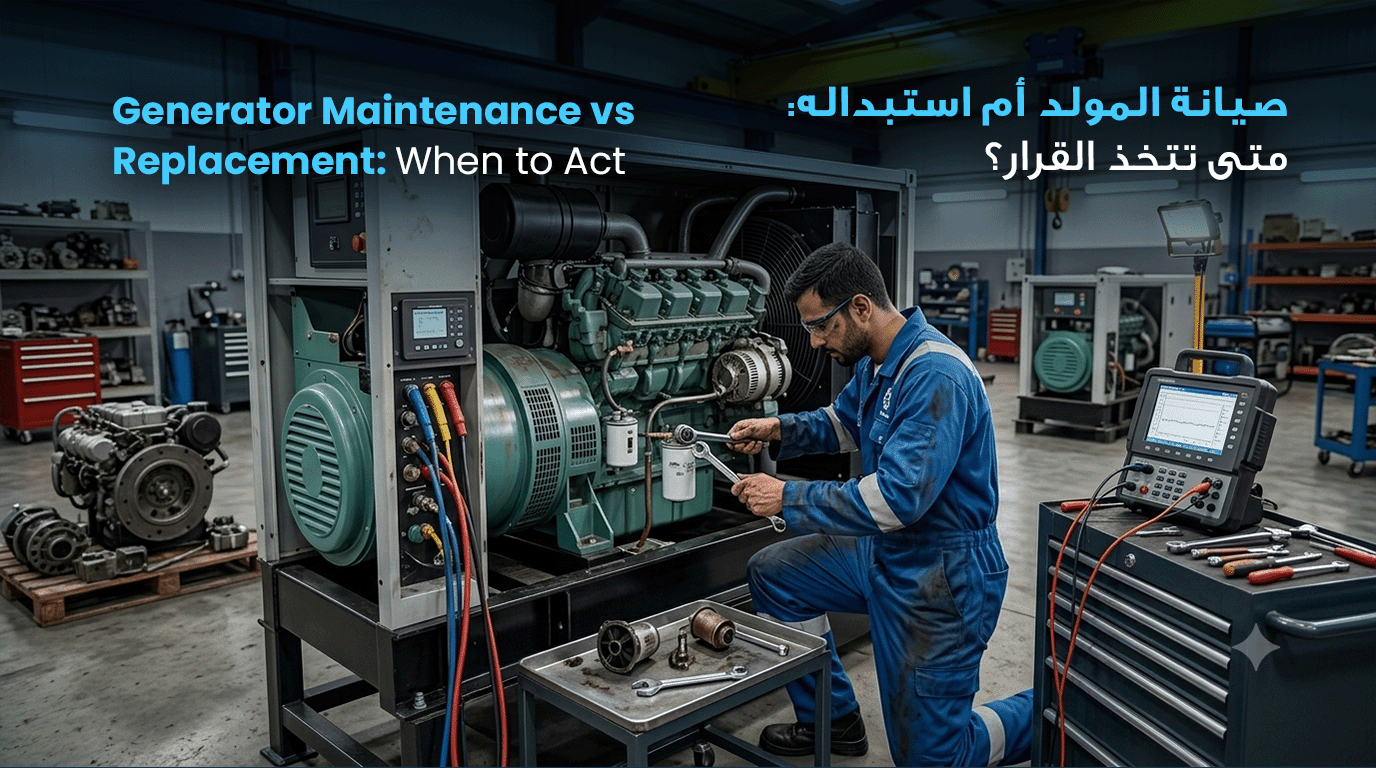
For example, a diesel generator with low compression, increased blow-by, and rising oil consumption may need liners, pistons, rings, bearings, head work, and injector testing. If the crankshaft journals measure correctly and the block shows no serious damage, an overhaul can restore compression, oil control, and dependable load performance without the expense of major machining.
The same logic applies to fleet trucks and construction equipment that have accumulated high operating hours but have not suffered catastrophic damage. A planned overhaul can be scheduled around production requirements, reducing the likelihood of a sudden failure that causes a longer and more expensive shutdown.
An overhaul is also a strong option when diagnostic results point to specific wear patterns. Oil analysis, compression or leak-down testing, crankcase pressure readings, coolant analysis, electronic fault data, and physical inspection help establish whether the engine needs a controlled restoration rather than a full rebuild.
When an engine rebuild is necessary
A rebuild is more likely when the engine has experienced severe mechanical failure or when major components are outside specification. Typical triggers include a spun bearing, broken piston, damaged crankshaft, cracked head, excessive bore wear, overheating damage, water ingress, or a failure that has spread metal debris through the lubrication system.
A catastrophic failure changes the job completely. Replacing only the visibly damaged part can leave hidden problems inside the oil galleries, turbocharger, injector system, cooling circuit, or rotating assembly. If the root cause is not corrected, the replacement components may fail shortly after startup.
A full rebuild may also be justified when an engine has been overhauled before and no longer has enough serviceable material in the cylinders, crankshaft, or head. In that situation, machining, replacement of hard parts, or a replacement long block may be the only sound route back to reliable operation.
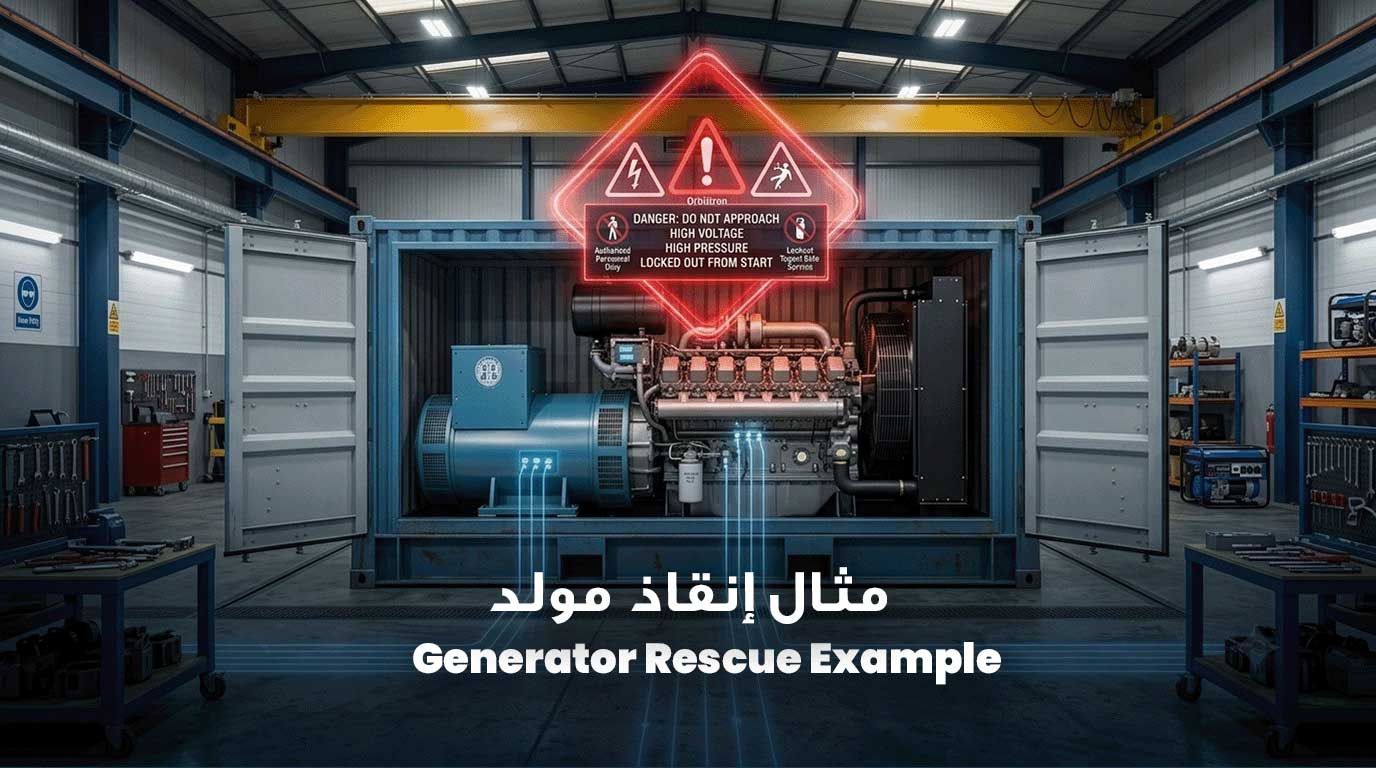
For uptime-critical equipment, the decision should account for the consequence of another failure. A standby generator that protects a facility during a power outage, for instance, cannot be assessed only by the immediate repair bill. Its engine must start, accept load, maintain temperature, and run for the required duration when utility power is unavailable.
The inspection findings that should drive the decision
Good decisions begin before the engine is stripped down. Initial diagnostics narrow the likely fault, but final scope is often confirmed only after disassembly and measurement. This is normal in heavy-duty engine work and should be communicated clearly before repairs begin.
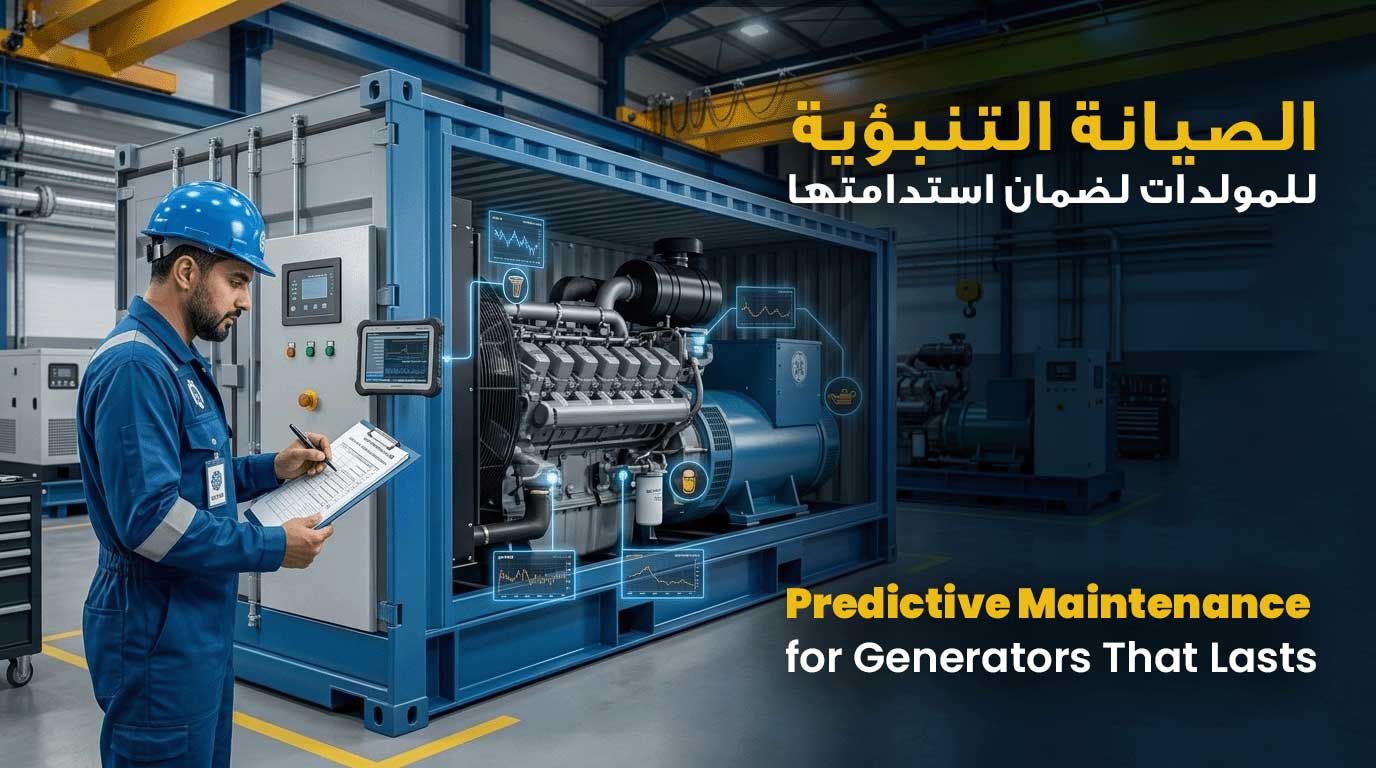
Technicians should assess oil pressure history, blow-by, compression balance, coolant condition, exhaust smoke, fuel consumption, oil consumption, and abnormal vibration. On electronically controlled engines, ECU or ECM fault codes and live operating data add valuable evidence. Injector balance, boost pressure, exhaust temperature, and sensor performance can identify faults that mimic internal engine wear.
During teardown, the critical question is whether components remain within manufacturer limits. Cylinder taper and out-of-round measurements, crankshaft journal condition, bearing clearance, head flatness, valve-guide wear, camshaft condition, and gear-train wear all affect the final recommendation. A credible repair provider records these findings rather than making a broad recommendation based on appearance.
Root cause must be corrected
Internal damage is often the result of an external problem. Poor filtration can introduce abrasive contamination. Cooling-system faults can cause overheating and liner damage. Injector failure can wash a cylinder wall with fuel or raise combustion temperatures. A blocked breather can increase crankcase pressure, while delayed oil changes can damage bearings and turbocharger components.
Whether the scope is an overhaul or a rebuild, the repair must include the root cause. This may require cleaning or replacing the oil cooler, flushing the lubrication system, testing injectors and pumps, repairing the cooling circuit, inspecting the turbocharger, or correcting an air-intake restriction. Skipping these supporting tasks creates a high risk of repeat failure.
Cost and downtime are not the same calculation
A smaller repair scope generally costs less upfront, but it is not automatically the lower-cost option over the equipment’s remaining life. An incomplete repair that causes another shutdown can add transport costs, labor disruption, rental expense, missed production, and emergency parts charges. For contractors and industrial operators, those losses can exceed the difference between two repair options.
A rebuild may require more workshop time because machining, parts sourcing, cleaning, testing, and quality checks are more extensive. However, a planned rebuild can be preferable to repeated unplanned repairs on an engine that supports a critical operation. Conversely, rebuilding an engine with a damaged block or limited parts availability may not be economically justified. Replacement options should be evaluated honestly in those cases.
Ask for a repair estimate that separates labor, parts, machining, testing, and items that may be found after teardown. It should also identify the anticipated lead time for major components. This gives maintenance and procurement teams a clearer basis for approving work and planning the outage.
What a dependable repair scope should include
The quality of execution matters as much as the choice between an overhaul and a rebuild. A serious engine restoration process starts with diagnosis and follows through with controlled assembly, verification, and commissioning.
For diesel-powered generators, trucks, pumps, forklifts, and heavy equipment, the scope should address four connected areas: internal engine condition, fuel-system performance, cooling and lubrication integrity, and electronic controls where fitted. Reconditioned mechanical components cannot perform correctly if a weak injector, contaminated fuel supply, faulty sensor, or cooling issue remains unresolved.
Parts selection also deserves attention. Genuine and quality aftermarket components may both have a place, depending on engine model, duty cycle, availability, and budget. The key is matching parts to the required specification and avoiding unverified components on assets where failure carries a high operational cost.
Before return to service, the engine should be checked for oil pressure, leaks, temperature stability, charging performance, exhaust condition, vibration, and load response. Generator engines should be load tested where practical. Mobile equipment should be function tested under representative operating conditions, with fault codes reviewed after the repair.
Plan the work before the failure chooses the schedule
High oil consumption, persistent overheating, low power, difficult starting, excessive smoke, metal in oil, and rising blow-by are warnings that deserve immediate investigation. Waiting until a connecting rod fails or a generator cannot carry load usually removes the ability to schedule repairs on favorable terms.
For operations across Dammam, Dhahran, Khobar, Jubail, and Alahsa, a maintenance partner that can diagnose the fault, manage engine work, test fuel components, source suitable parts, and support commissioning reduces coordination delays during a critical outage. Millennium Power Operations & Maintenance approaches engine work around that operational requirement: define the condition, repair the cause, and return the asset to dependable service.
The best choice is the one supported by measurements, root-cause analysis, and the real duty expected after repair. Address warning signs early, insist on a documented scope, and treat the engine’s return to service as the beginning of the next maintenance interval, not the end of the job.