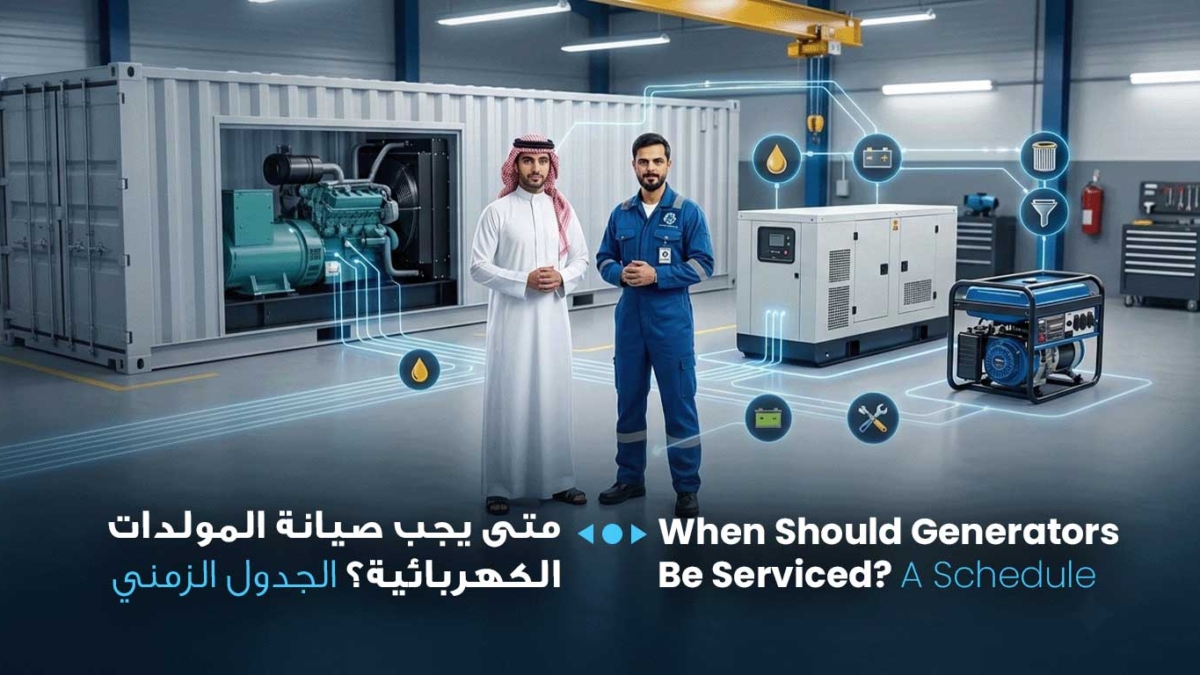
A generator that starts during a brief weekly test can still fail when it is needed for a long outage. Fuel contamination, weak batteries, degraded hoses, overloaded circuits, and cooling faults often develop quietly. The practical answer to when should generators be serviced is not based on calendar dates alone. It depends on operating hours, duty cycle, environment, load profile, and the consequences of an unexpected shutdown.
For facilities, construction sites, logistics operations, and industrial plants, generator servicing should be treated as an uptime-control activity. A planned visit is far less disruptive than an emergency callout during a production stop, site power loss, or critical safety event.
When Should Generators Be Serviced?
Most diesel generators need a structured maintenance plan with three layers: routine operator checks, scheduled preventive service based on time and running hours, and immediate inspection after an abnormal event. The manufacturer’s operation and maintenance manual remains the primary reference, especially for warranty requirements and engine-specific intervals. However, actual site conditions can justify more frequent service.
As a working baseline, operators should inspect a generator before use or at least weekly when it is on standby. A light service is commonly scheduled every 250 operating hours or every six months. More comprehensive service is often due at 500 hours or annually, with deeper maintenance at 1,000 and 2,000-hour intervals. These are planning benchmarks, not replacements for the engine manufacturer’s requirements.
A standby generator may accumulate very few hours, but it still needs attention. Diesel fuel ages, batteries lose charge, seals dry out, and moisture can affect electrical connections. Conversely, a prime-power generator can reach its hour-based service interval long before its next calendar-based visit. Service whichever limit comes first.
A practical generator service schedule
| Interval | Typical service focus | | — | — | | Before use or weekly | Check oil, coolant, fuel level, leaks, battery condition, alarms, belts, hoses, and control panel status. Run the unit if site procedures allow. | | Every 250 hours or 6 months | Change engine oil and oil filter where specified; inspect air intake, fuel system, exhaust, battery terminals, mounts, and electrical connections. | | Every 500 hours or annually | Replace fuel filters as required, inspect cooling system condition, test charging performance, check injector and engine operation, and verify load transfer functions. | | Every 1,000 hours | Perform more detailed engine, alternator, fuel, cooling, and protection-system checks. Review vibration, insulation condition, valve clearance requirements, and load performance. | | Every 2,000 hours or as specified | Plan major fluid, coolant, injector, turbocharger, valve train, and component inspections according to the engine model and operating history. |
The exact scope changes by generator make, engine size, fuel type, and application. A small standby unit serving an office has different risks from a high-capacity diesel generator carrying pumps, cranes, production equipment, or an entire facility.
Operating Hours Matter, but Conditions Matter More
Hour meters provide a useful service trigger because they reflect actual engine use. Yet two generators with the same hours may have very different maintenance needs. One may run at a stable 70 percent load in a clean equipment room. The other may operate in dust, heat, humidity, frequent starts, and low-load standby testing. The second unit is likely to require closer attention.
High ambient temperatures place additional stress on cooling systems, batteries, engine oil, and rubber components. In the Eastern Province, generators used outdoors or near industrial activity can also be exposed to dust, salt-laden air, and airborne contaminants. These conditions can block radiator fins, restrict air filters, corrode terminals, and accelerate wear in exposed connections.
Load is another major factor. Running a diesel generator at very low load for extended periods can contribute to wet stacking, carbon deposits, poor combustion, and exhaust-system fouling. Chronic overloading creates a different problem: excessive heat, voltage instability, accelerated engine wear, and the risk of protective shutdowns. A technician should review both the generator’s operating hours and its load history before setting the next service interval.
Fuel storage conditions deserve the same attention. Water, microbial growth, sediment, and degraded diesel can cause hard starting, clogged filters, injector damage, and sudden shutdowns. A generator that sits unused for months may need fuel testing, tank inspection, and fuel polishing even when its hour meter shows minimal use.
Service Immediately After These Warning Signs
Do not wait for the next scheduled interval if the generator shows a change in performance. Fast inspection can prevent a repairable issue from becoming an engine failure, alternator fault, or extended site outage.
Arrange technical support promptly if operators notice repeated starting difficulty, black, white, or blue exhaust smoke, unusual vibration, rising coolant temperature, low oil pressure, fuel leaks, coolant loss, fluctuating voltage, frequent alarms, or a battery that will not hold charge. Unusual noise from the engine, alternator, fan, or exhaust system should also be investigated before the unit returns to critical duty.
An emergency shutdown, overload trip, overheating event, fuel contamination incident, flood exposure, or physical impact should trigger a post-event inspection. Resetting an alarm without identifying its cause can leave the generator vulnerable to the next demand event.
After a prolonged power outage, service may also be necessary sooner than expected. A standby generator that ran continuously for several days may have reached its hour-based maintenance point, consumed a significant amount of oil, loaded its filters, or revealed cooling and fuel-system weaknesses that were not apparent during short tests.
What a Proper Generator Service Should Cover
A meaningful generator service is more than an oil change. The technician should inspect the engine, alternator, control system, starting system, fuel supply, exhaust, cooling package, and load-transfer arrangement as one operating system.
Engine work typically includes checking oil condition and level, replacing filters at the required interval, examining belts and hoses, looking for leaks, and assessing combustion quality. Fuel-system work may include filter replacement, water drainage, tank checks, and inspection of injectors or pumps when symptoms point to poor fuel delivery.
Electrical checks should confirm battery voltage, charger output, terminal condition, grounding, breaker operation, wiring integrity, and control-panel alarms. On critical standby systems, the automatic transfer switch must be tested as part of the maintenance program. A generator that runs correctly but does not transfer the facility load is not ready for an outage.
Cooling and ventilation also require careful inspection. Low coolant, damaged hoses, restricted radiators, weak fan belts, and poor airflow can quickly lead to overheating under load. For enclosed generators, technicians should verify that ventilation paths remain clear and that exhaust gases are safely discharged.
Where operating conditions justify it, load-bank testing provides a more realistic check than a no-load start. It helps verify voltage and frequency stability, confirms that the engine can carry demand, and can expose low-load operating issues. The test load and duration should be selected for the generator rating, site requirements, and manufacturer guidance.
Build a Service Plan Around Criticality
Not every generator needs the same response time or maintenance depth. A unit supporting emergency lighting, fire protection, telecommunications, refrigerated stock, dewatering pumps, or production equipment should receive a stricter plan than a generator used occasionally for noncritical work.
Start by recording each generator’s make, model, serial number, installation date, rated output, service history, current hour-meter reading, fuel arrangement, and the equipment it supports. Then assign service intervals based on manufacturer requirements and real operating conditions. Include weekly checks, planned service dates, required parts, load tests, and a clear escalation process for alarms or abnormal readings.
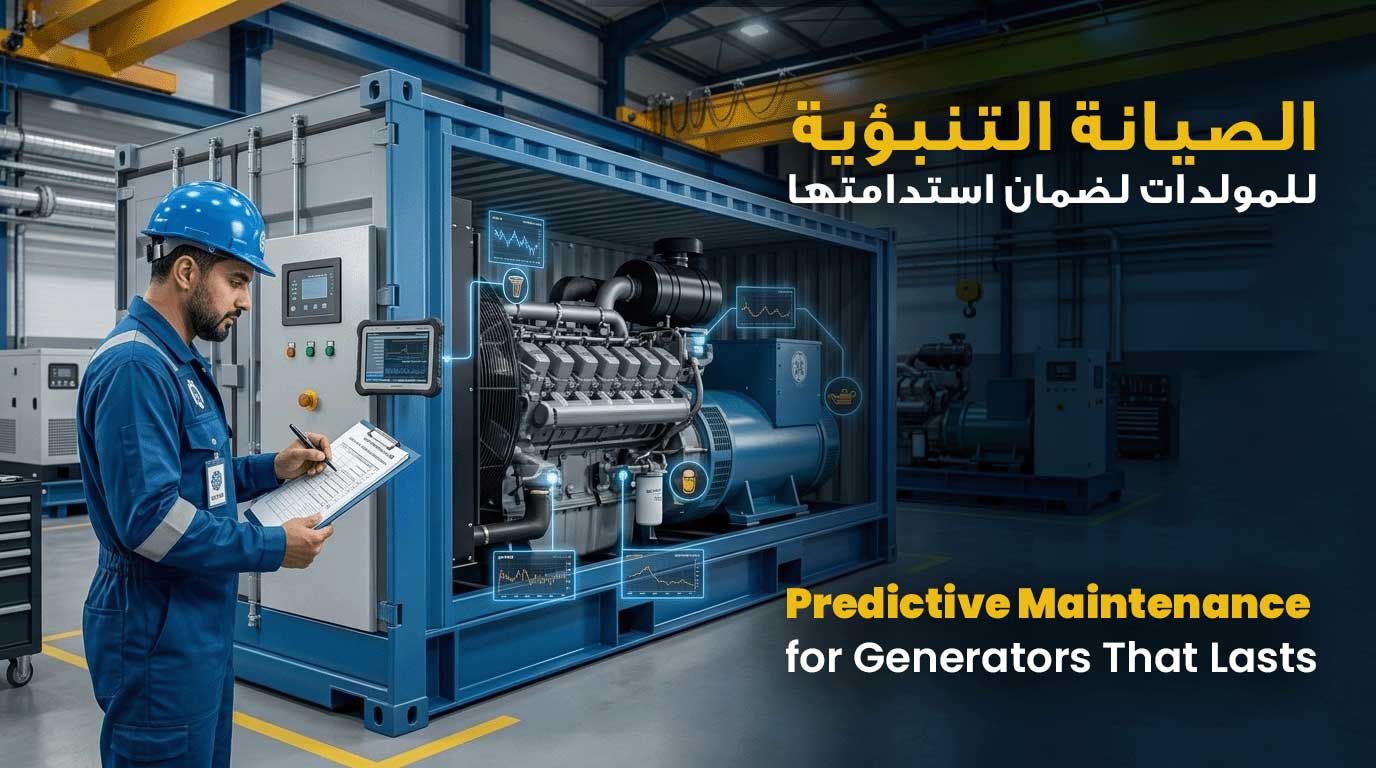
Keeping service records is not administrative overhead. Oil analysis results, alarm history, filter changes, battery replacement dates, load-test readings, and repair notes help technicians identify recurring faults before they cause downtime. They also make budget planning more accurate by showing which components are approaching replacement or overhaul.
For businesses that depend on continuous equipment availability, a maintenance partner should be able to combine field inspection, engine diagnostics, electrical fault finding, emergency repair, and reliable parts support. MPOM supports generator maintenance programs designed around operating conditions and the urgency of the equipment being protected.
The right service interval is the one that catches deterioration before it interrupts operations. Review generator hours every month, inspect standby units even when they have not run, and treat changing performance as a maintenance trigger rather than a problem to postpone.