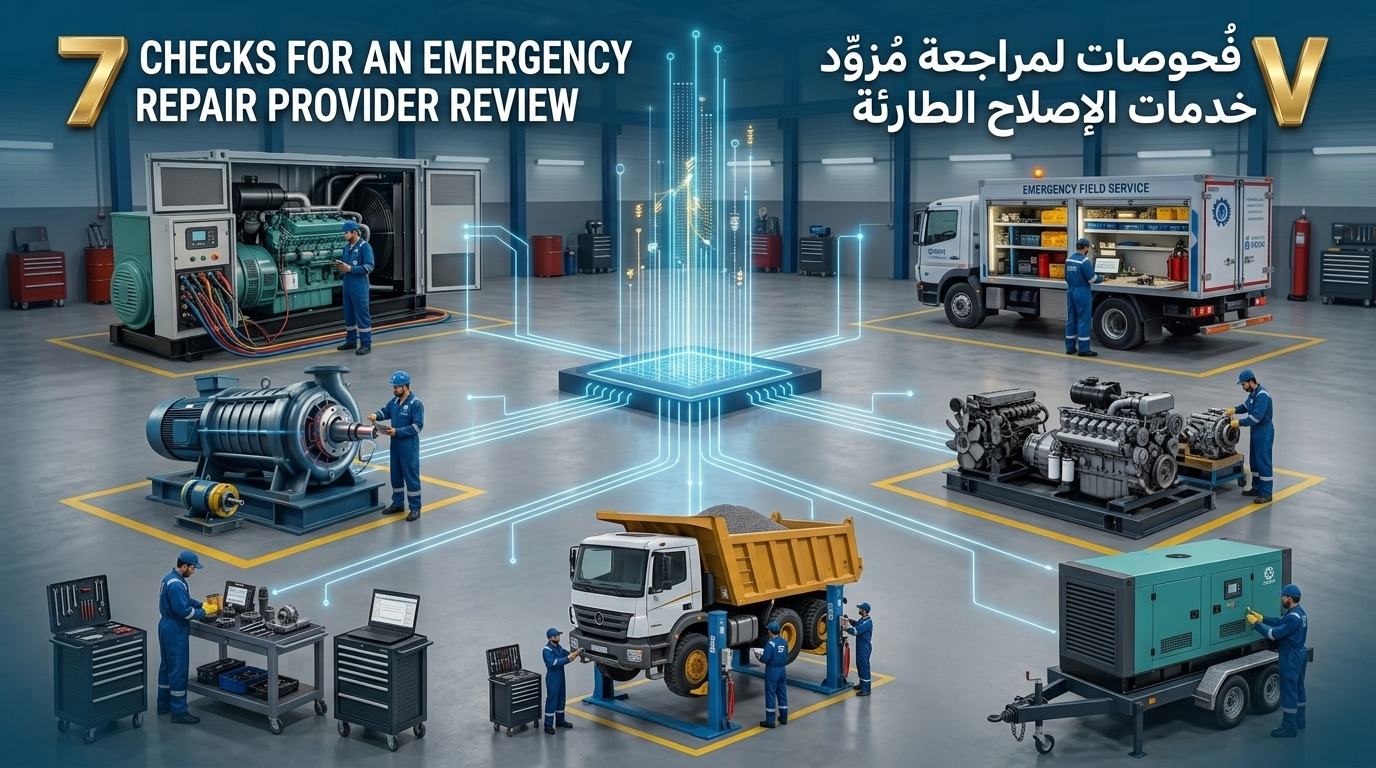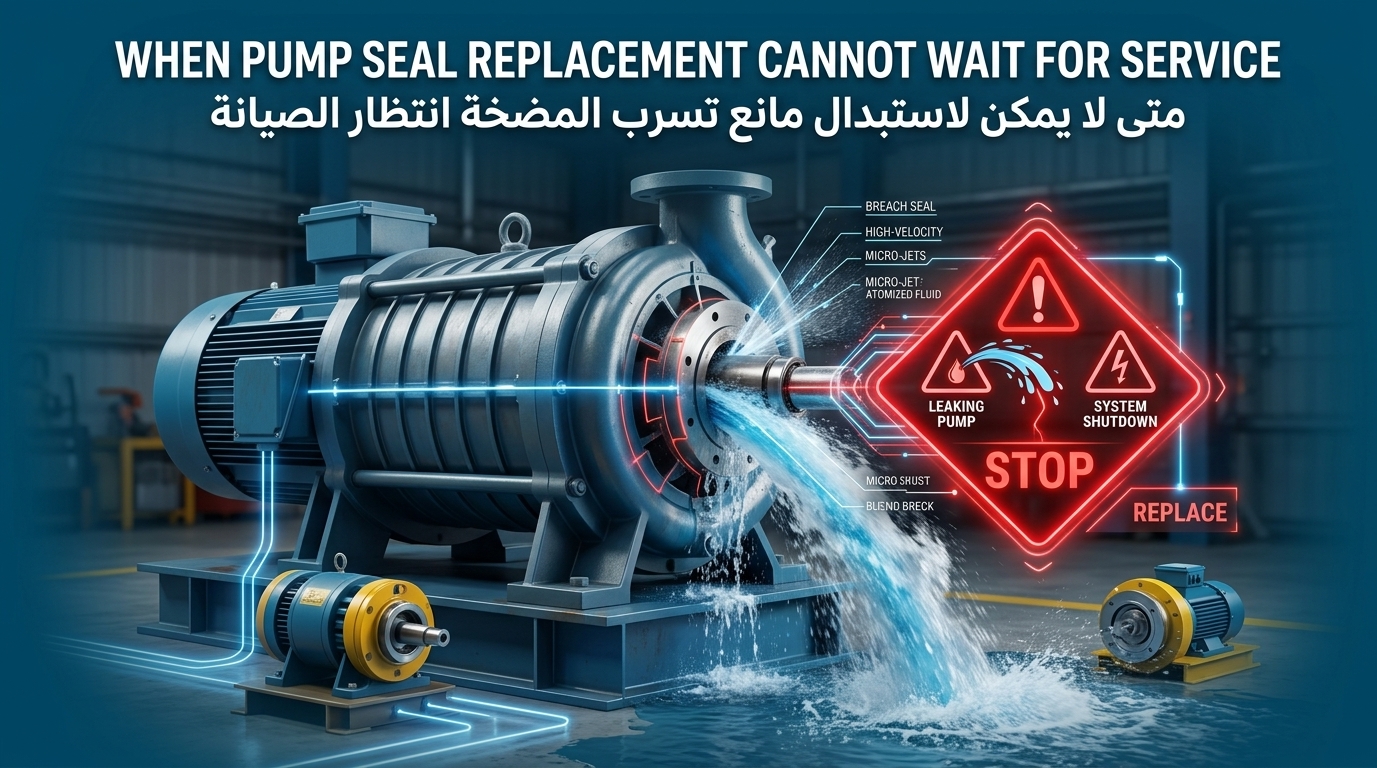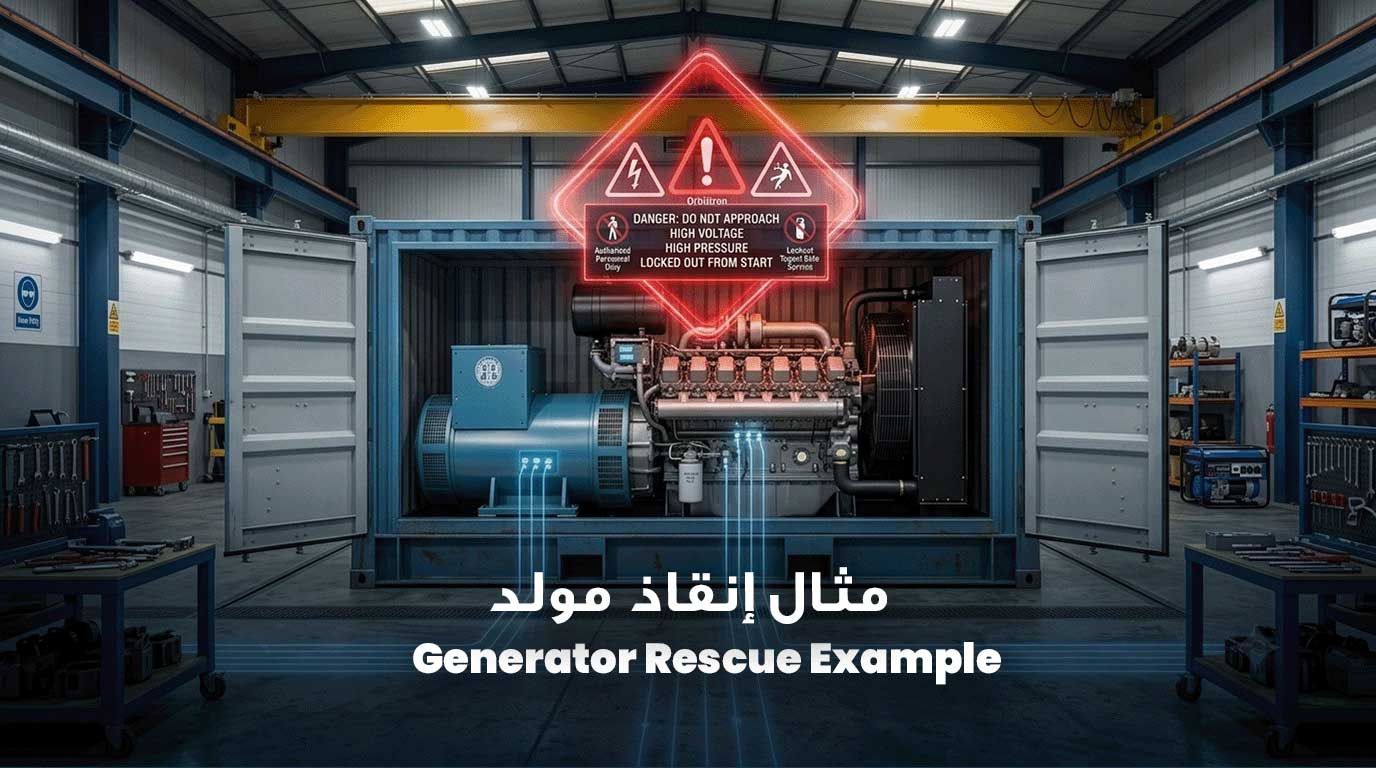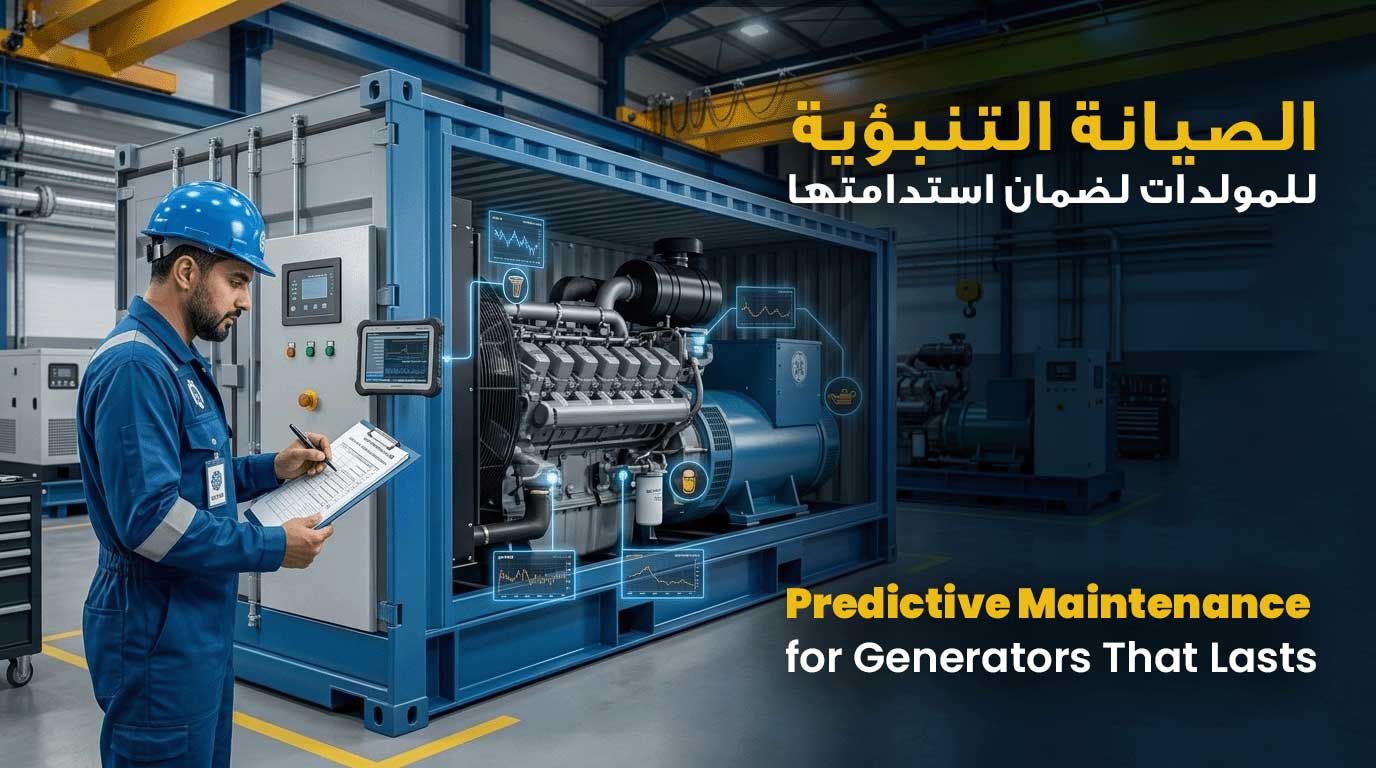
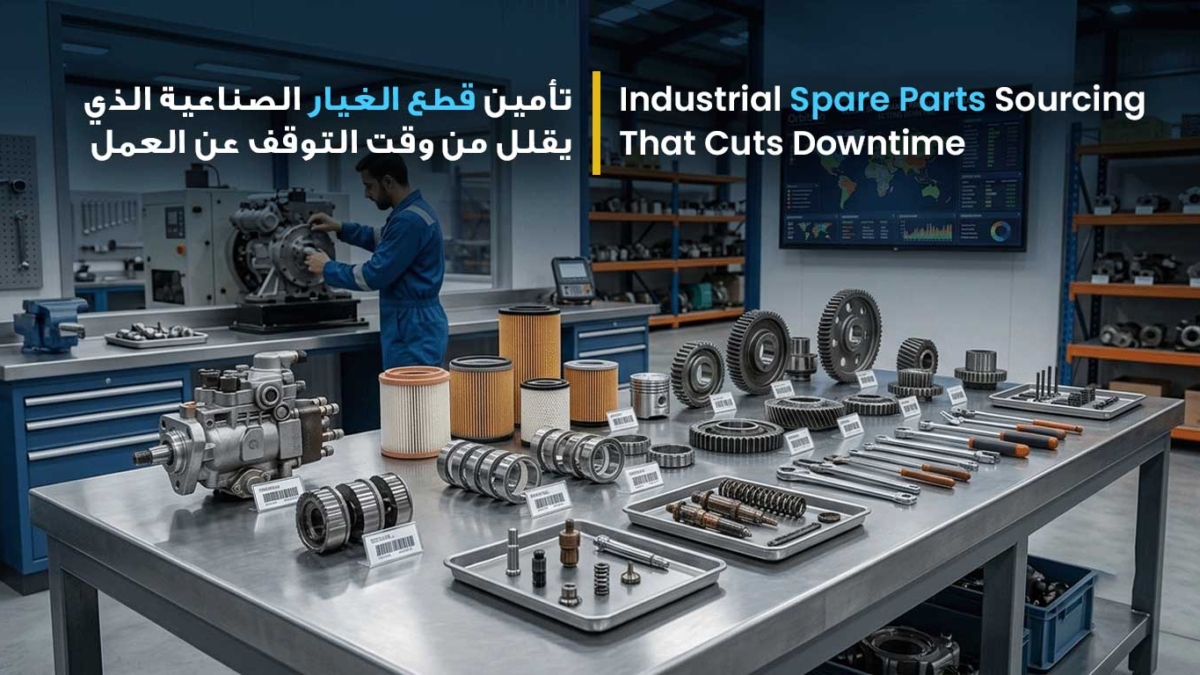
A failed injector, bearing, control module, or water-pump seal can stop far more than one machine. It can delay a concrete pour, interrupt material handling, put a standby generator at risk, or leave a critical facility without its planned backup. Industrial spare parts sourcing is therefore not simply a procurement task. It is a maintenance decision that directly affects uptime, safety, repair quality, and operating cost.
For operations and procurement teams, the pressure is usually highest when equipment is already down. That is also the worst time to guess at a part number, accept an unverified substitute, or wait for a supplier to determine whether an item is actually available. A disciplined sourcing process reduces those risks before an emergency occurs.
Why Spare Parts Decisions Affect More Than Repair Cost
The lowest quoted price is not always the lowest cost. A part that arrives quickly but does not match the equipment specification can create repeat labor, secondary component damage, lost production time, and avoidable safety exposure. The same applies to poor-quality parts that fit physically but cannot sustain the machine’s operating load, temperature, pressure, or duty cycle.
This is especially relevant for generators, diesel engines, heavy equipment, forklifts, trucks, industrial water pumps, and electronic control systems. These assets operate as connected systems. A fuel-system component affects combustion and engine performance. A cooling component affects temperature control and engine life. A wrong sensor, ECU, or wiring part can create fault codes that are difficult to diagnose after installation.
A reliable supplier should help the maintenance team make the correct choice, not merely provide a catalog image. That means confirming fitment, reviewing the application, and recognizing when an apparent match is not technically acceptable.
Start Industrial Spare Parts Sourcing With Correct Identification
Accurate identification is the foundation of every successful order. Machine model alone is rarely enough, particularly for equipment that has been rebuilt, modified, or supplied in different configurations. Manufacturers may use different engines, pump assemblies, electrical systems, or component revisions within the same equipment range.
The most useful information includes the manufacturer, model, serial number, engine number where applicable, equipment hours, OEM part number, and a clear photo of the failed item and its markings. For pumps, include flow and head requirements, connection size, seal arrangement, and the liquid being handled. For electronic components, provide fault codes, module numbers, connector details, and the diagnosis already completed.
This information allows a technical supplier to validate the request before the part is ordered. It also prevents a common and expensive situation: a technician removes a failed part, the replacement arrives, and installation stops because the mounting, calibration, electrical connector, or specification is different.
Confirm the Cause of Failure Before Ordering
Not every failed component is the root cause. Replacing an injector without checking fuel contamination, replacing a bearing without checking alignment, or replacing a water-pump seal without inspecting the shaft can lead to an early repeat failure.
Sourcing should follow diagnosis whenever possible. A supplier with repair and field-service capability can connect parts availability to the actual condition of the equipment. This is valuable when a fault may involve more than one component, such as an engine with poor starting, low power, overheating, or recurring warning alarms.
Choose OEM or Aftermarket Based on the Application
There is no single answer to the OEM versus aftermarket question. The correct choice depends on the machine’s criticality, operating conditions, warranty requirements, lead time, and budget.
OEM parts are often the preferred option for critical control components, precision fuel-system parts, engine internals, and components where manufacturer calibration or material specification is essential. They provide a known fit and can be the right choice when equipment reliability cannot be compromised.
Quality aftermarket parts can be a practical option for many service items and mechanical repairs, provided they come from a reputable manufacturer and meet the required specification. In a planned maintenance program, approved aftermarket alternatives may reduce operating cost without reducing service quality. The key is verification, not assumptions.
Avoid making the decision only from a description such as “compatible with” or “replacement for.” Request confirmation of the brand, part reference, specification, and warranty position. If the application is high-risk, ask whether the supplier has experience installing the same part in comparable equipment.
Evaluate Availability Beyond the Supplier’s Promise
“Available” can mean several different things. It may mean in stock at a local warehouse, available from a regional distributor, or available to order from a manufacturer with an uncertain lead time. For a down machine, those differences matter.
Ask direct operational questions: Is the part physically in stock? Can it be dispatched today? Is it the exact requested reference or an alternative? What documentation is supplied? If the item is not immediately available, what is the confirmed lead time and what repair options exist in the meantime?
For businesses operating across Dammam, Dhahran, Khobar, Jubail, and Alahsa, local response can be as important as inventory. A supplier that can coordinate diagnosis, delivery, installation, and testing may restore equipment faster than a parts-only vendor, even when the component price is similar.
Build a Parts Plan Around Critical Equipment
Emergency purchasing cannot be eliminated completely, but it can be reduced. Start by identifying the equipment whose failure has the greatest impact on operations. This may include standby generators, production pumps, fleet trucks, forklifts, compressors, and machinery that supports a live project schedule.
For each critical asset, maintain an approved list of fast-moving and high-risk components. The list should include correct part numbers, expected lead times, preferred brands, minimum stock levels where appropriate, and the supplier contact responsible for support. Review it after major repairs, engine overhauls, or equipment upgrades.
A practical critical-spares plan often covers filters, belts, hoses, seals, bearings, starter and charging components, sensors, relays, fuel-system service parts, pump repair kits, and common electrical consumables. The exact list depends on the asset and its operating environment. A generator serving a critical facility requires a different approach from a forklift fleet with backup units available.
Holding every possible spare is inefficient. Holding the right parts for equipment with long lead times, high failure consequences, or continuous-duty requirements is a sound maintenance decision.
Control Quality at Receiving and Installation
The sourcing process does not end when the shipment arrives. Before installation, verify the packaging, part number, quantity, physical condition, and supporting documents against the purchase request. Check for visible damage, incorrect connectors, missing seals or hardware, and signs that the part has been mishandled.
For high-value or precision components, preserve traceability. Record the supplier, invoice reference, part number, serial number where available, installation date, equipment hours, and technician findings. If a component fails prematurely, this information supports warranty review and helps identify whether the issue is related to the part, installation, operating conditions, or an unresolved system fault.
Installation quality matters just as much as part quality. Correct torque values, cleanliness, lubrication, alignment, calibration, and post-repair testing protect the investment. Electronic parts may require programming or parameter checks. Fuel-system and engine components may require flushing, priming, or contamination control before the machine returns to service.
Use a Maintenance Partner, Not Just a Parts Counter
A parts supplier is most valuable when they understand what happens after delivery. Teams need support when the reference is unclear, when a substitute must be evaluated, when a breakdown requires field diagnosis, or when a repair reveals additional damage.
Millennium Power Operations & Maintenance supports this approach by combining parts supply with diagnostics, mechanical repair, engine work, pump repair, electronic ECU and ECM services, and field response. This reduces handoffs between vendors and gives maintenance teams one technical point of accountability when uptime is under pressure.
The best sourcing relationship is built before the next failure. Share your equipment list, recurring fault history, and planned maintenance schedule with a supplier that can verify requirements and prepare for predictable demand. When an urgent call comes in, the work begins with known equipment data and a clear service path instead of a rushed search for an uncertain part.
A properly sourced component is not just a replacement on a shelf. It is a verified part, installed for the right reason, backed by technical support, and selected to keep the next operating shift on schedule.