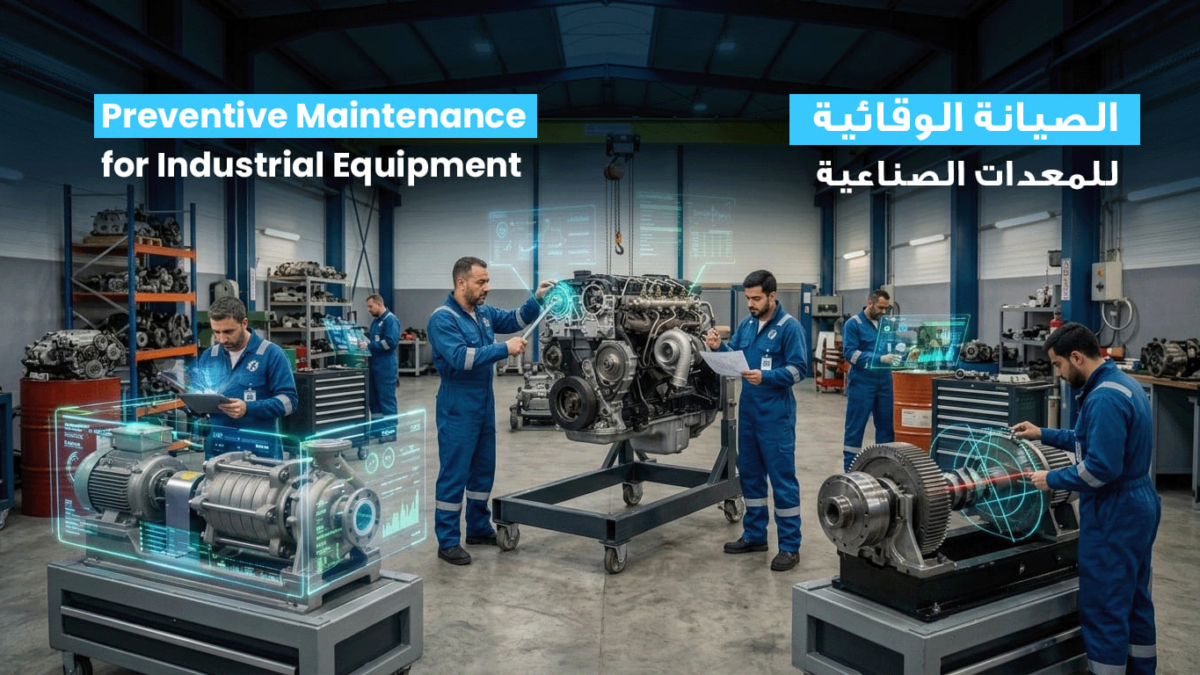
A generator that fails during a planned shutdown, a forklift that loses hydraulic pressure during loading, or a water pump that stops without warning can quickly turn a manageable workday into an expensive operational delay. Preventive maintenance for industrial equipment gives maintenance teams control before a minor fault becomes a breakdown, a safety risk, or a missed project deadline.
For operations that depend on generators, engines, heavy equipment, trucks, forklifts, and industrial pumps, maintenance is not simply a workshop function. It is a direct part of production planning, safety compliance, fleet availability, and cost control. The right program identifies deterioration early, schedules work around operating demands, and ensures the required technicians and parts are available when needed.
What Preventive Maintenance Should Deliver
Preventive maintenance is scheduled inspection, servicing, adjustment, and component replacement performed before equipment fails. Its purpose is not to replace every part on a fixed date. It is to use operating hours, manufacturer requirements, equipment condition, and failure history to prevent avoidable disruptions.
A well-managed program should improve more than uptime. It should help equipment operate within correct temperature, pressure, lubrication, voltage, and load ranges. This protects major assemblies such as engines, transmissions, alternators, hydraulic systems, fuel injection systems, and pump components from progressive damage.
The financial case is usually clear when equipment is critical. Replacing a worn belt, contaminated filter, damaged hose, or weak battery is typically far less costly than responding to an engine overheating event, a fuel-system failure, or an unplanned generator outage. The trade-off is that scheduled maintenance requires planning, temporary equipment availability, and a defined budget. Those commitments are far easier to manage than emergency repairs during peak operations.
Build Preventive Maintenance for Industrial Equipment Around Risk
Not every asset needs the same maintenance frequency. A standby generator that runs only during utility failures has different risks from a generator carrying regular site loads. A forklift used for one shift in a clean warehouse will have different requirements from one operating continuously around dust, uneven ground, or heavy loads.
Start by classifying equipment based on operational criticality. Ask what happens if the asset is unavailable for four hours, one day, or several days. Equipment that supports safety systems, water supply, essential power, project schedules, or material movement should receive the highest inspection priority and the clearest escalation process.
Define the Asset Baseline
Each machine should have a complete maintenance record that includes make, model, serial number, engine hours or mileage, service history, repair history, operating environment, and known recurring issues. Without an accurate baseline, maintenance teams often rely on memory or react only after an alarm appears.
Document normal operating readings as well. Oil pressure, coolant temperature, battery voltage, charging performance, fuel consumption, vibration, discharge pressure, and hydraulic response can provide early warning when compared with normal equipment behavior. A reading does not need to reach an alarm level to deserve attention. A gradual change is often the first sign of wear.
Set Intervals That Reflect Actual Use
Manufacturer service intervals are a necessary starting point, but they are not always enough. Dust, heat, humidity, extended idling, short operating cycles, overloaded equipment, and inconsistent fuel quality can shorten service life. In demanding environments, filters, cooling systems, batteries, belts, hoses, and electrical connections may require more frequent inspection.
Use time-based intervals for standby assets and hour- or mileage-based intervals for regularly operating equipment. Then adjust the plan using inspection results. If oil analysis, filter inspections, or recurring fault codes point to accelerated wear, address the cause rather than simply shortening the interval indefinitely.
Write Work Instructions That Technicians Can Follow
A maintenance schedule is only effective when every task is specific. “Check generator” is not a work instruction. A useful instruction identifies the component, inspection method, acceptable condition, measurement where applicable, corrective action, and person responsible for sign-off.
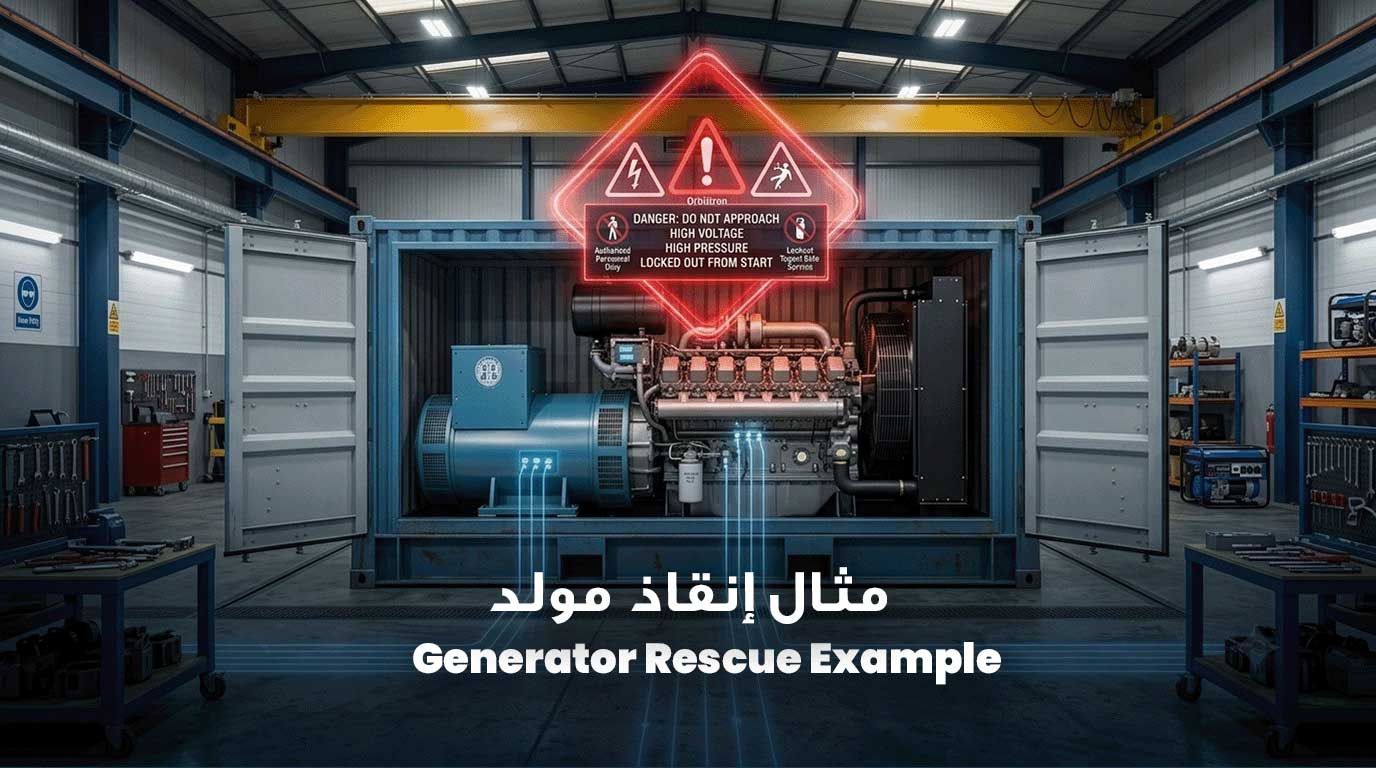
For example, a generator service task may require checking coolant concentration, inspecting belt tension and hose condition, testing battery terminals and charging voltage, verifying oil level and leaks, and recording load-test results. Clear instructions create consistency across technicians and make it easier to identify whether a repeated problem is operational, mechanical, or procedural.
Focus Inspections on the Systems That Cause Downtime
Daily operator checks and scheduled technical inspections serve different purposes. Operators can spot visible leaks, unusual noise, warning lights, loose connections, tire damage, and changes in machine response. Technicians should perform deeper checks that require tools, diagnostics, measurements, or controlled testing.
The following areas deserve consistent attention across most industrial equipment fleets:
- Lubrication and filtration: Check oil level and condition, grease points, filter restriction indicators, contamination, and signs of leakage. Poor lubrication can damage an engine or hydraulic system long before a machine stops running.
- Cooling systems: Inspect coolant level, hoses, belts, radiator condition, water pumps, fan operation, and temperature trends. Overheating events can cause major engine damage and extended downtime.
- Fuel and injection systems: Monitor fuel quality, water contamination, filter condition, injector performance, fuel lines, and pump operation. Diesel fuel contamination is a common source of avoidable reliability problems.
- Electrical and electronic controls: Test batteries, starter circuits, charging systems, wiring, terminals, sensors, and ECU or ECM fault codes. Many modern equipment failures begin as an intermittent electrical issue rather than a major mechanical defect.
- Hydraulic, drivetrain, and safety systems: Inspect hoses, fittings, cylinders, seals, transmission response, brakes, steering, forks, tires, guards, alarms, and emergency stops according to the equipment type.
Inspection findings must lead to action. A report that records a leaking hose or low battery voltage but does not create a repair order is only documentation. Assign a priority, define the repair scope, confirm parts availability, and set a completion date before the issue becomes urgent.
Use Maintenance Data to Make Better Decisions
Maintenance records should answer practical questions: Which assets consume the most repair time? Which components fail repeatedly? Are failures occurring after a particular number of hours? Are emergency repairs increasing because scheduled work is being deferred?
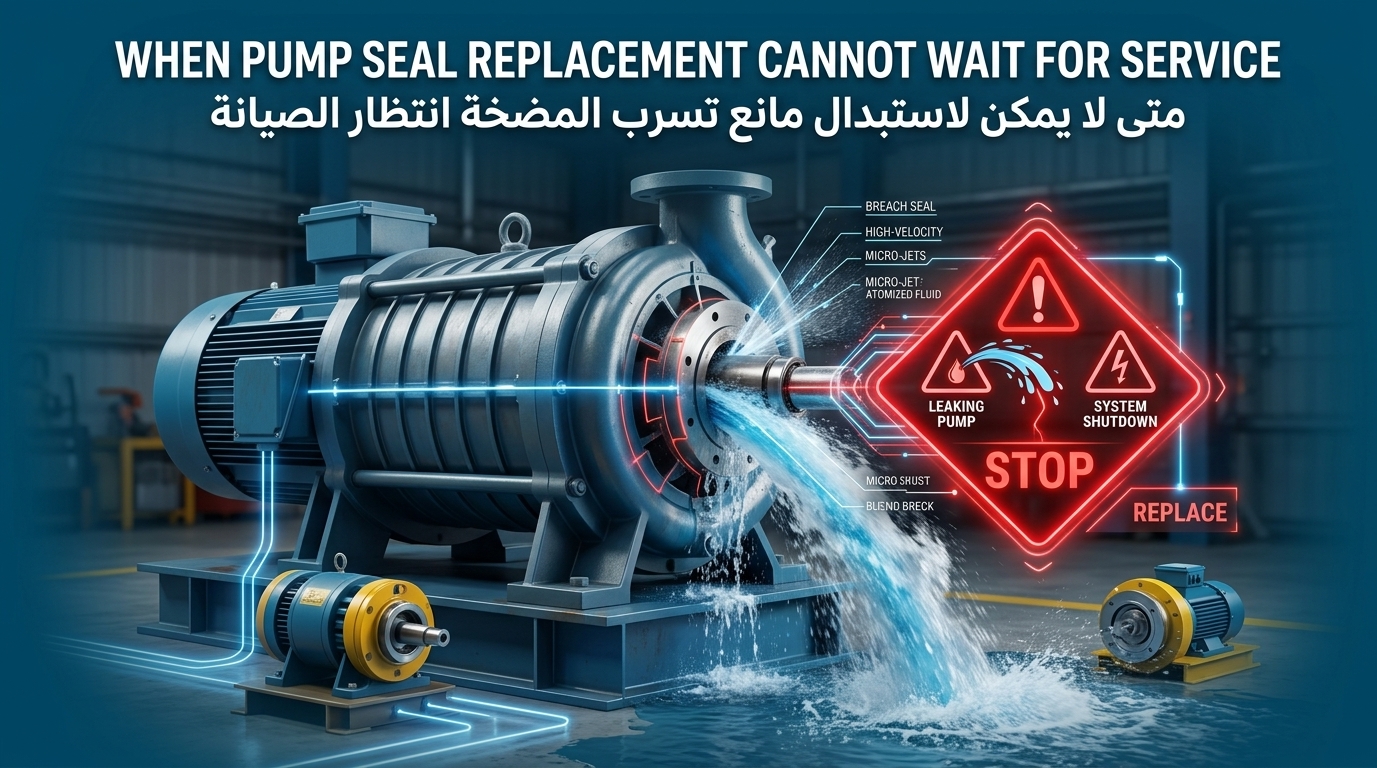
Simple tracking can reveal where budget is being lost. If a pump repeatedly requires seal replacement, the underlying problem could be dry running, misalignment, cavitation, incorrect operating pressure, or contaminated fluid. Replacing the seal alone may restore service temporarily, but it will not correct the operating condition causing the damage.
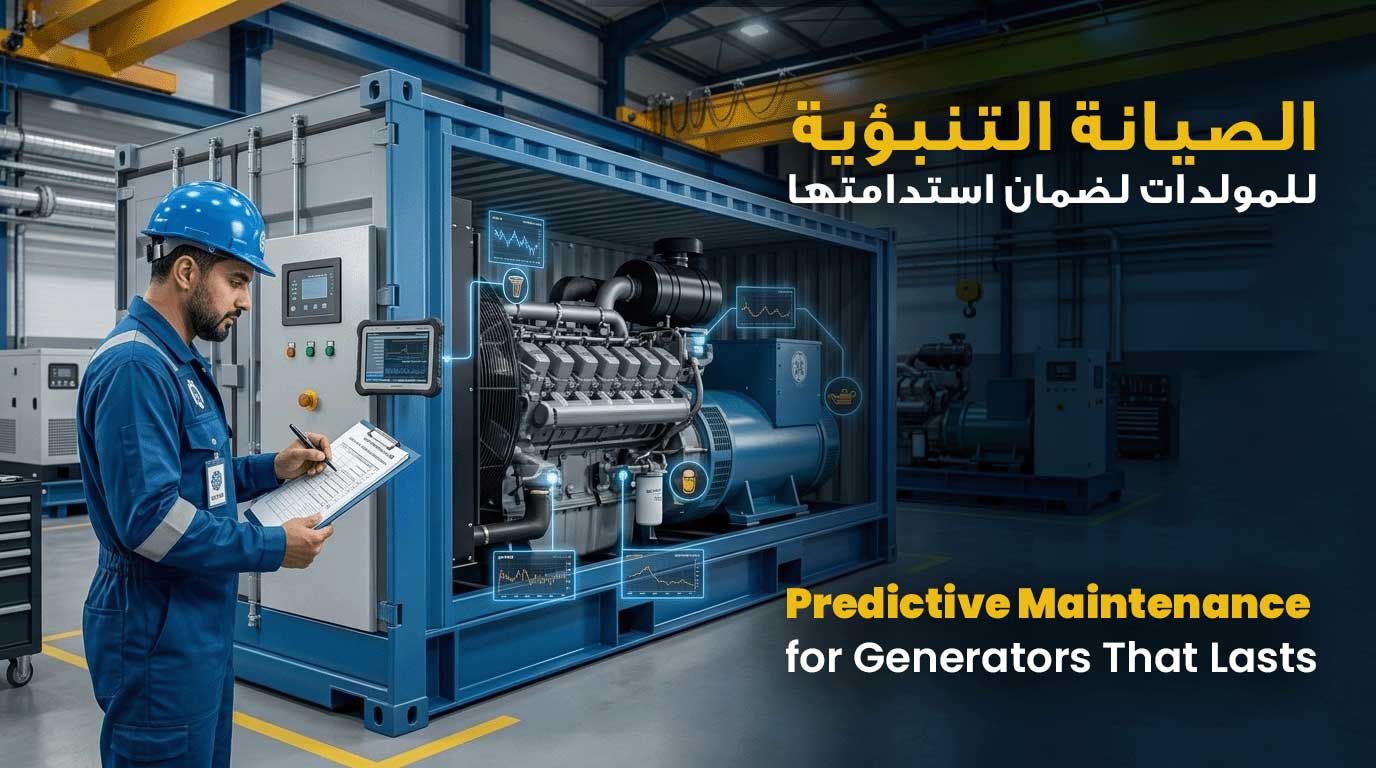
Diagnostic tools add another layer of control. Engine fault-code scans, battery testing, load-bank testing, pressure readings, vibration checks, thermographic inspections, and fluid analysis help technicians identify faults that are not visible during a routine walk-around. These services should be used where the cost of failure justifies the added inspection depth.
Avoid the Mistakes That Turn Planned Work Into Emergency Work
The most common failure in preventive programs is not a lack of technical knowledge. It is deferred maintenance. Work is postponed because equipment is busy, a part is unavailable, or a minor issue appears tolerable. Over time, small delays create a backlog of defects, and the maintenance team loses the ability to plan work effectively.
Another issue is treating every asset the same. Excessive servicing wastes labor and materials, while insufficient servicing exposes critical equipment to failure. The correct approach is risk-based: spend more attention where downtime has the greatest operational, safety, or financial effect.
Parts planning also matters. Critical consumables and known wear items should be identified before a service window begins. Waiting for a filter, belt, seal kit, hose, battery, or sensor can leave equipment unavailable far longer than the repair itself requires. A maintenance partner with repair capability, diagnostics, and parts sourcing can reduce this gap by coordinating the entire job scope.
When to Escalate From Maintenance to Repair or Overhaul
Preventive work can identify conditions that require more than servicing. Low compression, repeated overheating, excessive oil consumption, persistent injector faults, metal contamination in oil, declining pump pressure, or recurring hydraulic failures may indicate that a repair, rebuild, or engine overhaul is the more responsible decision.
Do not wait for total failure to make that decision. Planned corrective work gives operations time to schedule downtime, confirm parts, arrange replacement equipment if needed, and control the repair scope. Emergency failure removes those options.
For businesses operating across Dammam, Dhahran, Khobar, Eastern Province, MPOM supports planned maintenance, diagnostics, repairs, overhauls, and parts supply for uptime-critical industrial assets. The practical goal is simple: identify risk early, complete work correctly, and return equipment to service with confidence.
A maintenance schedule earns its value when it prevents the call nobody wants to make: the one reporting that essential equipment has stopped at the worst possible time.