
A diesel engine that cranks longer than usual, smokes under load, or suddenly loses power is rarely failing at random. In many cases, the problem starts at fuel delivery, and diesel injector pump repair becomes the difference between a controlled service job and expensive downtime in the field. For generators, trucks, construction equipment, and industrial machinery, a weak or damaged injector pump affects far more than engine performance. It affects schedule, fuel cost, load stability, and equipment availability.
The injector pump is responsible for delivering fuel at the right pressure, in the right amount, and at the right time. When that timing or pressure shifts, the engine responds immediately. Operators may notice rough running, hard starting, misfiring, unstable RPM, or excessive exhaust smoke. Maintenance teams often see the secondary effects first – poor fuel economy, reduced output, overheating under load, and repeat shutdown events.
Why diesel injector pump repair matters
In uptime-critical operations, fuel system faults rarely stay isolated for long. An injector pump that is worn internally can send incorrect fuel volume to the injectors, create uneven combustion, and place extra stress on pistons, valves, turbochargers, and aftertreatment components. On a generator set, that may show up as unstable frequency or poor load acceptance. On heavy equipment, it may show up as hesitation, low torque, and slow hydraulic response because the engine cannot maintain proper power.
Repairing the pump early is usually less costly than waiting for a complete failure. That said, not every pump should be repaired in the same way. Some units need seal replacement and calibration. Others require a full rebuild with internal components, bench testing, and injector evaluation at the same time. The right repair scope depends on wear level, contamination, pump type, and the condition of the rest of the fuel system.
Common signs that point to injector pump trouble
Hard starting and extended cranking
If the engine takes longer to start, especially after sitting, fuel pressure loss or poor pump timing may be involved. This symptom can overlap with injector leakage, air intrusion, weak batteries, or low compression, so diagnosis matters. But when electrical and basic engine checks are normal, the pump becomes a primary suspect.
Power loss under load
An engine may idle acceptably and still fail once demand increases. This often happens when the pump cannot maintain proper fuel volume or pressure at higher RPM or load conditions. Equipment operators feel it as sluggish response, weak pulling power, or RPM drop during normal work.
Excessive smoke
Black smoke often indicates over-fueling or incomplete combustion. White smoke can point to timing issues, low cylinder temperature, or poor atomization. Blue smoke may suggest oil-related problems, but fuel system faults can still contribute. Smoke color alone does not confirm a pump failure, but it is a useful indicator when combined with performance symptoms.
Rough idle or unstable engine speed
Internal wear in the pump can create uneven fuel delivery between cylinders or inconsistent timing. The result is vibration, surging, or unstable idle. On generator applications, this kind of instability can become a power quality issue, not just an engine issue.
Fuel leaks around the pump
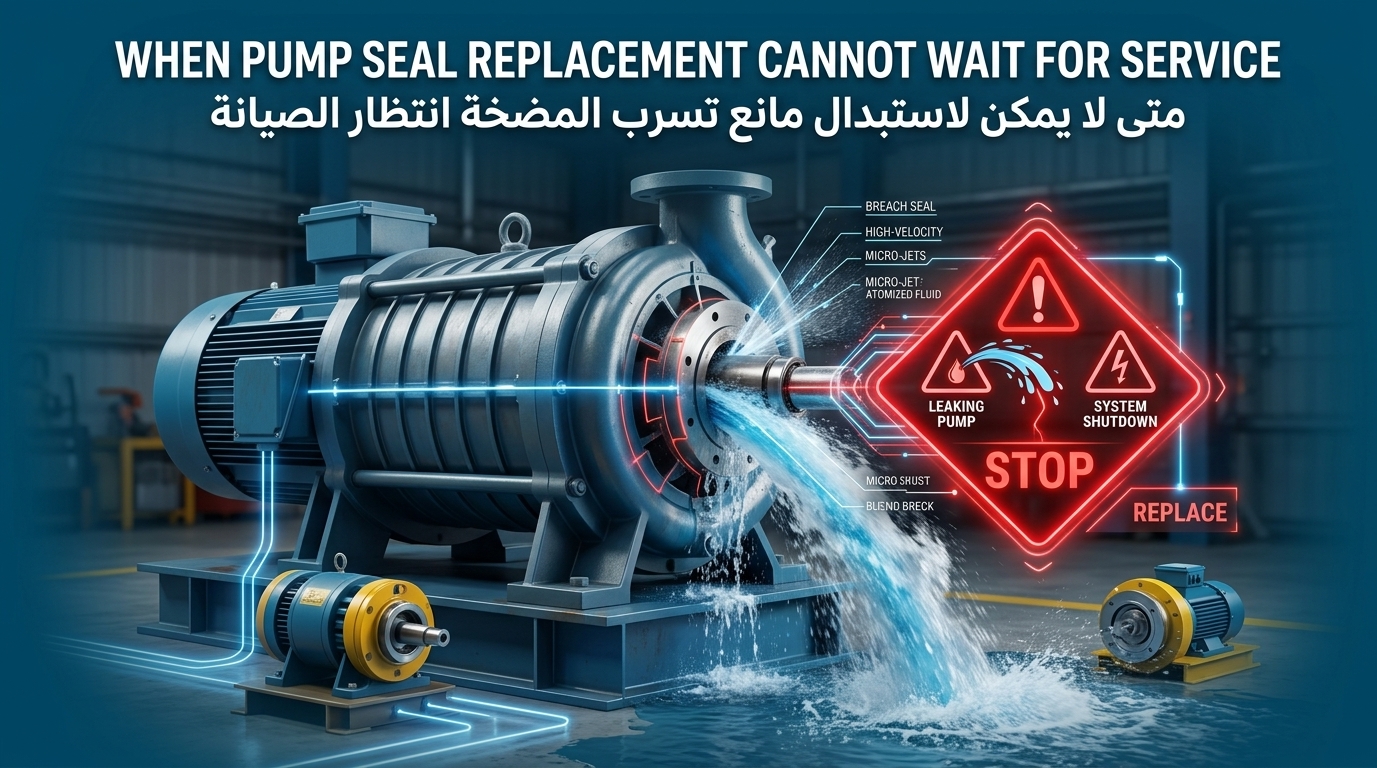
External leakage around seals, fittings, or housings should never be ignored. A leak can introduce air into the system, reduce fuel pressure, create a fire hazard, and contaminate surrounding components. In some cases, seal replacement is sufficient. In others, leakage is a sign of wider internal wear.
What causes injector pump failure
Contaminated fuel is one of the most common causes. Water, dirt, and poor filtration damage precision internal components quickly. Injector pumps operate with tight tolerances, and even minor contamination can scar internal surfaces, affect metering, and reduce pressure control.
Wear from operating hours is another major factor. Pumps on generators, commercial fleets, and heavy equipment often spend long periods under demanding duty cycles. Over time, plungers, cam plates, seals, bearings, and control components wear down. If maintenance intervals are stretched or fuel quality is inconsistent, that wear accelerates.
Heat and poor lubrication also play a role. Diesel fuel does more than burn – it also helps lubricate parts of the fuel system. Low-quality fuel or overheating can reduce that protection. On electronically controlled systems, sensor faults or actuator issues may mimic mechanical pump failure, which is why proper testing should come before parts replacement.
The right approach to diesel injector pump repair
A proper repair starts with diagnosis, not assumptions. Replacing the pump without checking injectors, filters, lines, fuel quality, and control signals can lead to repeat failures. In industrial service environments, the goal is not just to get the engine started again. The goal is to restore reliable operation under actual working conditions.
Step 1: Confirm the fault
Technicians typically begin with symptom review, fuel supply checks, leak inspection, and engine performance testing. On electronic systems, fault code scanning and signal verification are essential. On mechanical systems, timing and delivery checks carry more weight. This step helps separate pump faults from injector issues, air leaks, blocked filters, sensor problems, and compression-related concerns.
Step 2: Remove and inspect the pump
Once the pump is identified as the source of the problem, it is removed and inspected. External condition matters, but internal assessment is where the real decision happens. Scoring, corrosion, seal failure, shaft wear, and metering damage all affect whether the pump is a candidate for repair, rebuild, or replacement.
Step 3: Replace worn components and restore calibration
This is where quality matters most. Effective diesel injector pump repair is not only about replacing failed parts. It is about restoring pressure, delivery balance, and timing accuracy to specification. Depending on the pump type, the repair may include seals, bearings, plungers, delivery valves, control elements, solenoids, or actuators. After reassembly, calibration is necessary to verify correct operation.
Step 4: Test under controlled conditions
Bench testing confirms whether the repaired pump performs correctly before installation. That includes checking fuel delivery, response, pressure characteristics, and in many cases timing behavior across operating ranges. Skipping this step increases the chance of reinstalling a pump that still has performance issues.
Step 5: Reinstall and check the full fuel system
A repaired pump should not go back onto a contaminated or partially blocked fuel system. Filters, lines, tank condition, injector performance, and fuel quality should all be reviewed. If the root cause is still present, even a well-repaired pump can fail again much sooner than expected.
Repair or replace – what makes sense?
It depends on pump design, parts availability, age, and failure severity. Repair is often the most practical option when the housing and core components remain serviceable and the pump can be recalibrated to specification. For many fleet and industrial operators, repair reduces cost and shortens downtime compared with full replacement.
Replacement may be the better path when internal damage is extensive, corrosion is severe, the unit has failed repeatedly, or critical components are no longer reliable after rebuild. Electronic diesel systems can also shift this decision if the control side of the pump has major failures. The right answer comes from inspection and testing, not guesswork.
Why downtime risk should shape the decision
For B2B operators, the real cost is not only the pump repair invoice. It is the cost of a generator that cannot carry load, a truck that misses dispatch, or a machine that sits idle on a project schedule. A delayed response can affect labor planning, deliveries, production output, and client commitments.
That is why service capability matters as much as technical repair quality. A maintenance partner that can diagnose the issue, handle the mechanical work, support related fuel system checks, and source the required parts saves time at every step. In high-pressure operations across Dammam, Dhahran, Khobar, Jubail, and Eastern Province, speed and technical accuracy are both necessary.
Preventing repeat injector pump problems
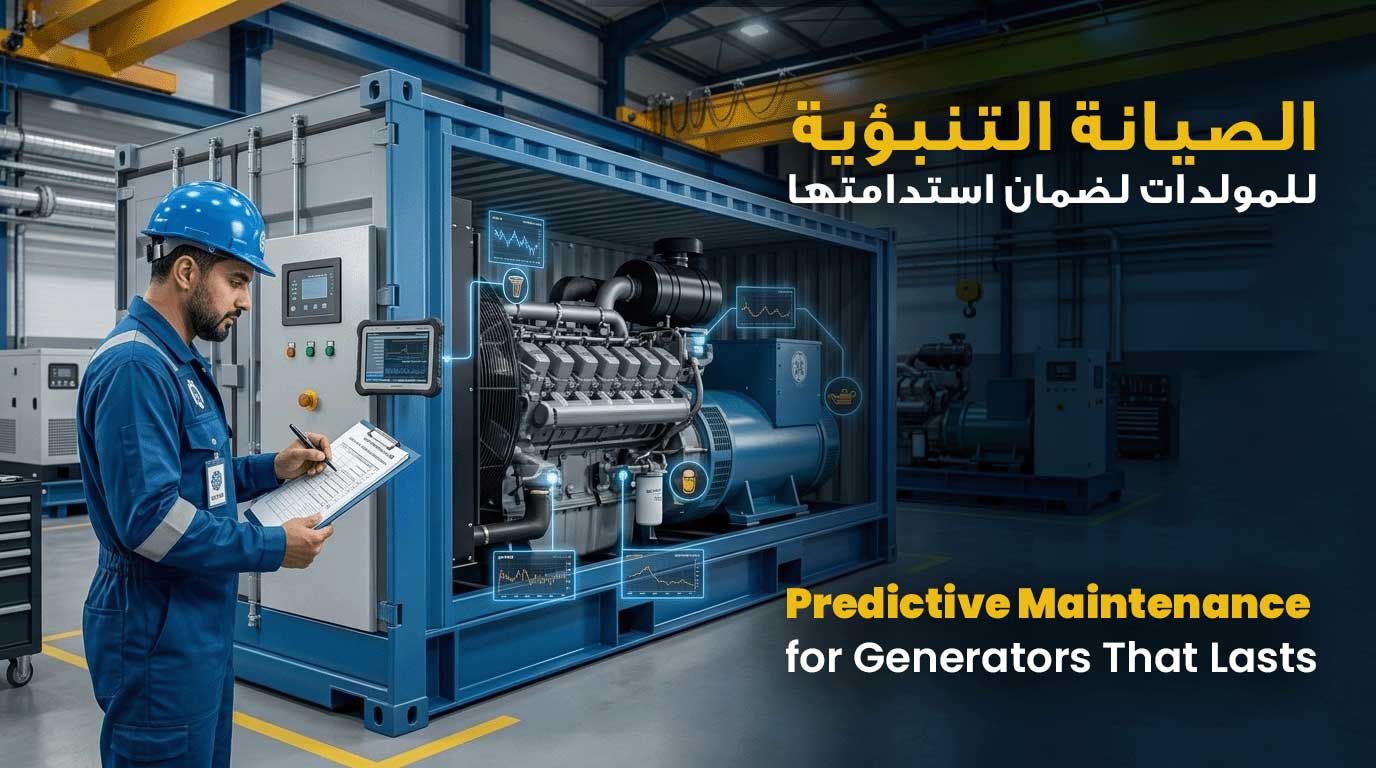
Most repeat failures come from root causes that were never corrected. Fuel cleanliness should be treated as a controlled maintenance issue, not an afterthought. Filters need to be changed on schedule, tanks should be checked for water and contamination, and engines with early warning symptoms should be inspected before they become non-start conditions.
There is also value in watching trends, not just failures. Rising fuel consumption, increasing smoke, harder starts, and unstable idle are early indicators worth acting on. Scheduled inspections and fuel system testing can catch wear before it becomes a breakdown. For businesses that depend on equipment uptime, preventive maintenance is usually cheaper than emergency recovery.
When diesel injector pump repair is handled correctly, the result is not just an engine that runs again. It is equipment that returns to stable, dependable service with lower risk of repeat interruption. If your engine is showing early fuel system symptoms, the best next step is a precise diagnosis before the problem spreads to the rest of the machine.