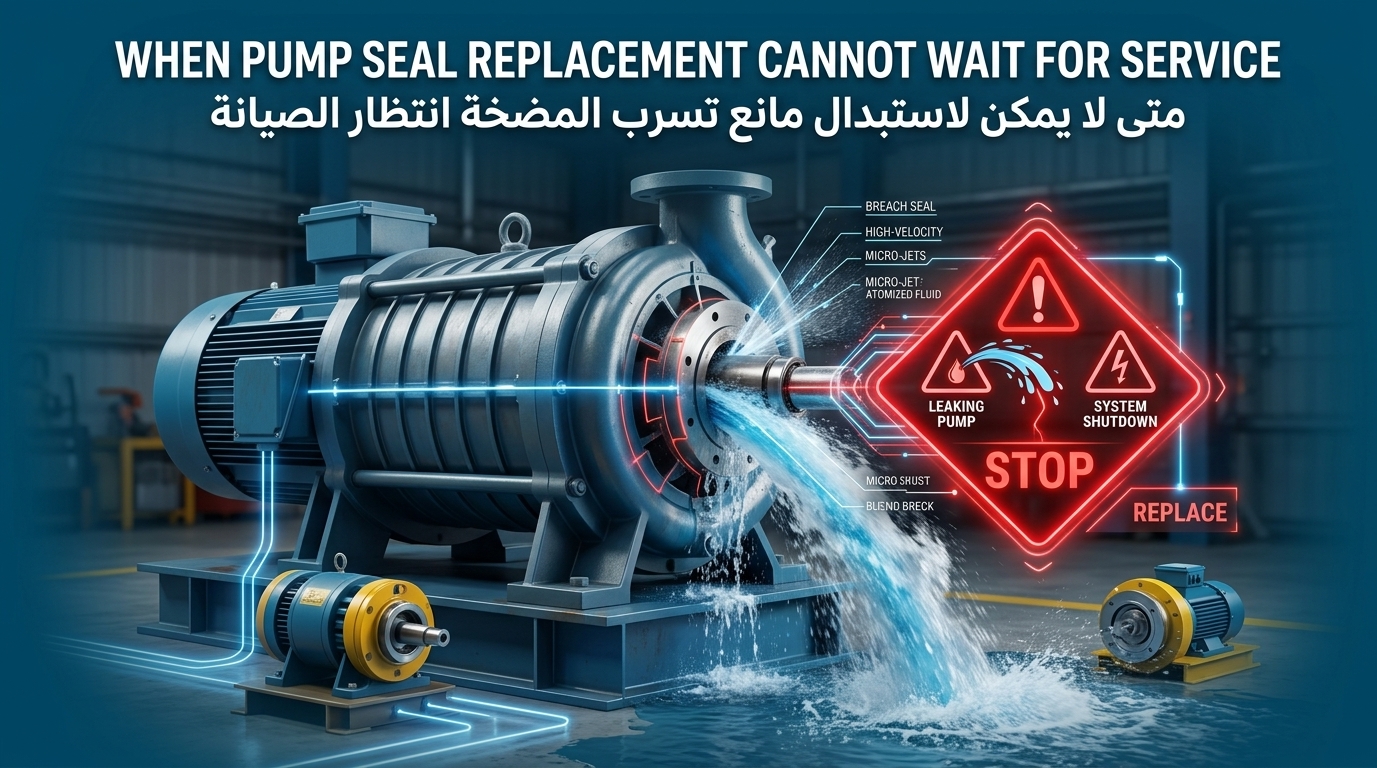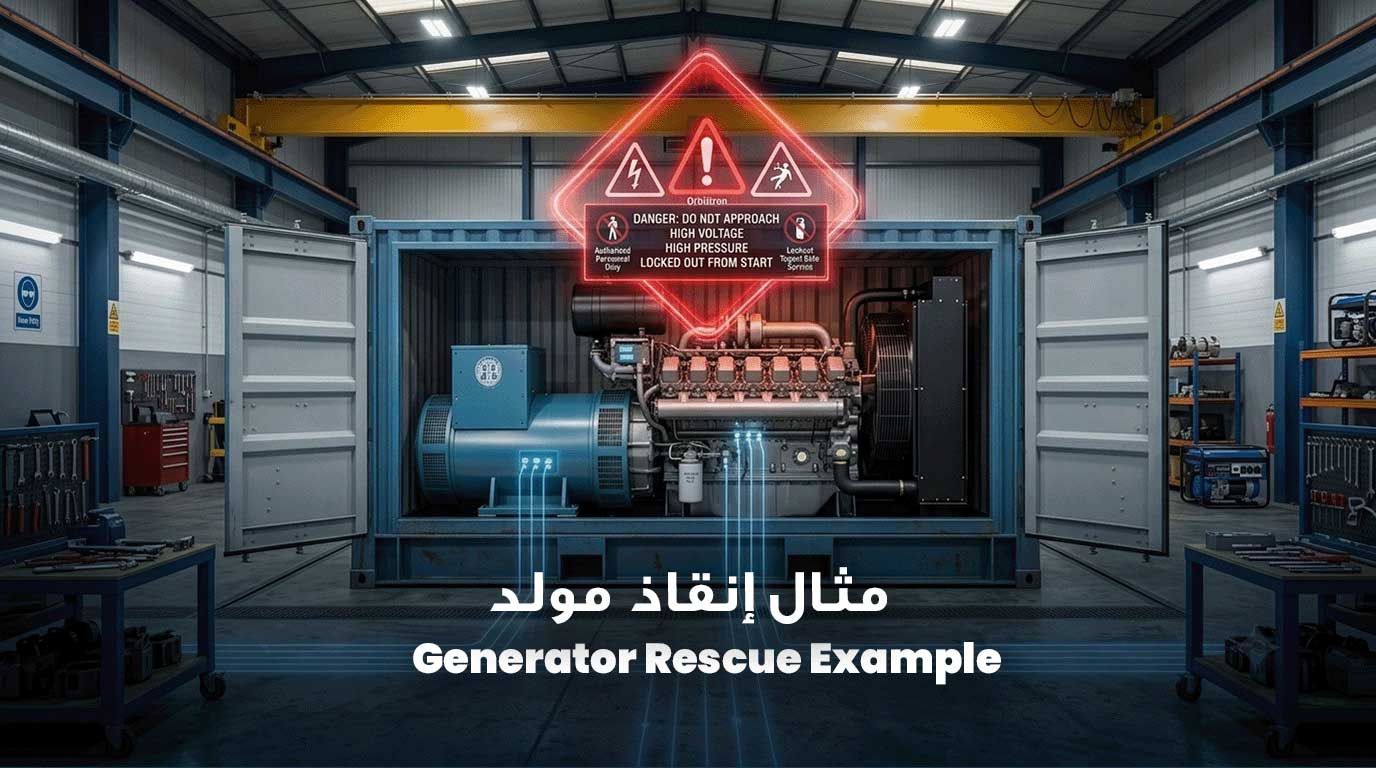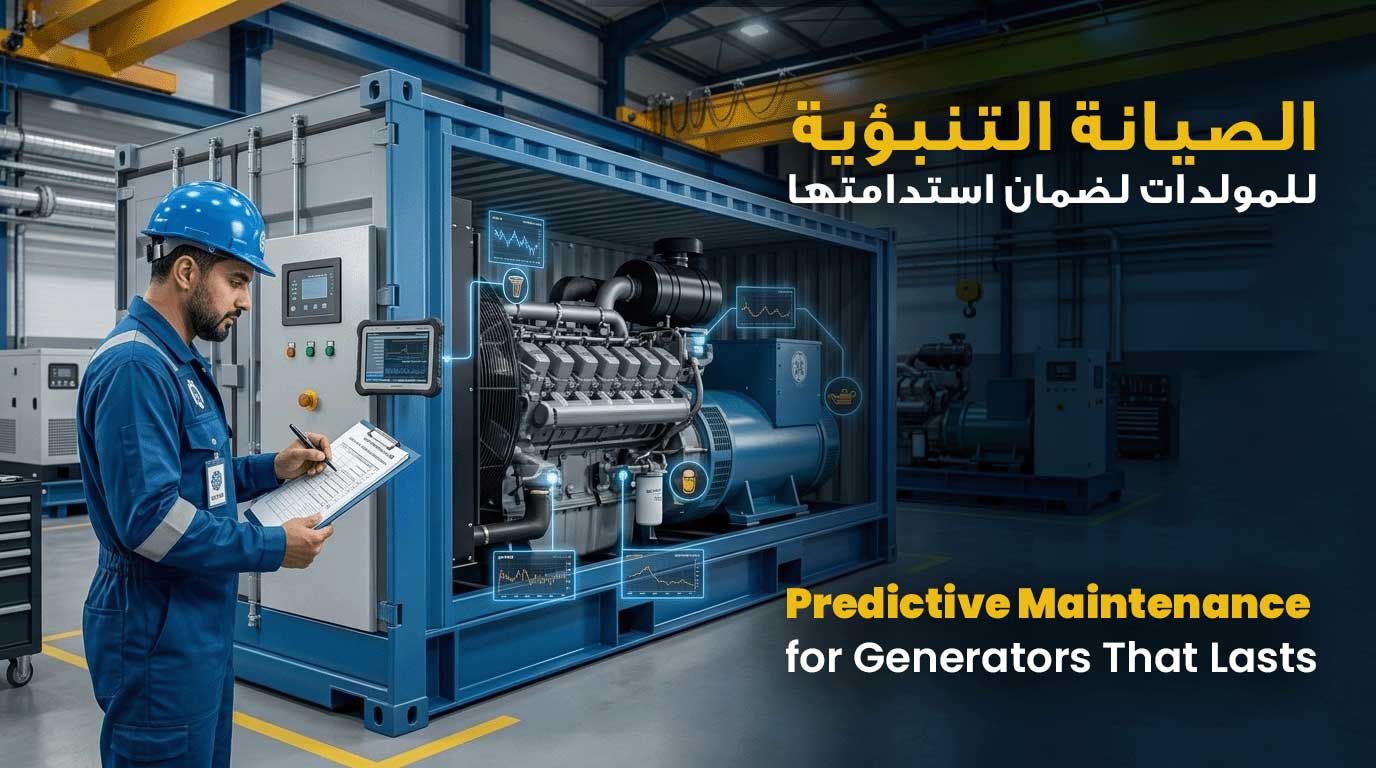

A generator that starts but drops load, a truck that loses pulling power under acceleration, or an excavator that enters derate mode is rarely a problem to solve by replacing parts on assumption. ECU diagnostics for diesel engines provide the operating data needed to identify the actual fault, assess its effect on equipment performance, and plan a repair that protects uptime.
For operations teams, the value is not simply reading a fault code. The value is knowing whether the code points to a failed sensor, a wiring issue, fuel delivery problem, communication fault, calibration concern, or a mechanical condition that the ECU has detected indirectly. That distinction determines whether equipment can remain in controlled service, requires immediate attention, or should be removed from operation before a minor issue becomes an expensive repair.
What ECU Diagnostics for Diesel Engines Actually Do
The electronic control unit, often called an ECU or ECM, manages critical engine functions through a network of sensors, actuators, wiring, and programmed operating parameters. Depending on the engine application, it controls fuel injection timing and quantity, turbocharger operation, idle speed, emissions systems, protection limits, and communication with other machine controllers.
When the ECU receives a signal outside its expected range, it stores a diagnostic trouble code. This code is a starting point, not a final diagnosis. For example, a low boost pressure code may be caused by a damaged charge-air hose, restricted air filter, faulty boost sensor, sticking turbo actuator, exhaust restriction, fuel-related power loss, or an underlying mechanical problem. Replacing the boost sensor without confirming the cause may waste time and leave the equipment unreliable.
Professional diagnostics combine scan-tool information with engine knowledge and physical testing. The technician reviews active and stored codes, operating hours, freeze-frame data, live readings, system voltages, sensor plausibility, and command-versus-response values. The engine is then inspected and tested where necessary to confirm what the data indicates.
Why Fault Codes Must Be Interpreted in Context
A code tells the technician what condition the ECU recognized. It does not always tell them why that condition occurred. This is particularly important on generators, heavy equipment, industrial pumps, and fleet vehicles that operate in heat, dust, vibration, extended idle periods, and high-load conditions.
Consider a coolant temperature code. The issue may be a failed temperature sensor, but it could also result from a corroded connector, damaged harness, poor ground, low coolant level, thermostat failure, restricted radiator, cooling fan issue, or genuine overheating. Clearing the code may temporarily remove the warning, yet it does nothing to protect the engine if the cooling system is losing capacity.
The same principle applies to low fuel rail pressure, injector circuit faults, crankshaft position errors, CAN communication codes, and emissions-related warnings. Accurate repair begins with verifying the complaint and understanding when it occurs: during cold start, at high load, after extended operation, during gear changes, or only when the machine is operating in a particular environment.
The Data That Matters During Diesel Engine Diagnosis
Live data is often more useful than a code list because it shows how the engine behaves while the fault is present. A capable diagnostic process compares ECU commands with actual system performance. If the ECU commands increased rail pressure but measured pressure does not respond, the investigation moves toward fuel supply, pressure control, leakage, injector return flow, or pump performance.
Key readings commonly reviewed include:
- Engine speed and synchronization signals from crankshaft and camshaft sensors
- Battery voltage, charging voltage, grounds, and ECU power supply stability
- Fuel rail pressure, commanded pressure, and fuel temperature
- Boost pressure, intake air temperature, and turbocharger actuator position
- Coolant temperature, oil pressure inputs, and engine protection events
- Injector correction values, balance data, and cylinder contribution where supported
- Exhaust temperature, differential pressure, and aftertreatment status on applicable engines
Not every engine provides the same level of access, and not every abnormal value means a component has failed. A value must be compared with specifications, operating conditions, and related readings. A sensor can report accurately while the system it monitors is genuinely performing poorly.
Common Problems ECU Diagnostics Can Identify Early
Early diagnostic work can prevent a manageable defect from becoming a major outage. On generator sets, recurring warnings may reveal unstable voltage supply to the engine controller, low fuel pressure under load, cooling-system inefficiency, or a governor control issue before the set fails during a critical demand period.
On trucks and heavy equipment, ECU analysis can identify intermittent wiring faults, injector electrical issues, air-intake leaks, turbocharger control faults, reduced-power events, and communication problems between the engine controller and transmission or machine systems. Intermittent faults require particular discipline. If a code appears only after vibration, heat soak, or high load, the technician may need to perform harness movement checks, voltage-drop tests, connector inspections, and monitored test runs rather than rely on a stationary scan.
For industrial water pumps and material-handling equipment, diagnostic findings often support a broader decision: repair the engine control issue immediately, schedule corrective work during a planned shutdown, or investigate a mechanical system that is causing the ECU protection event. The correct choice depends on fault severity, safety risk, equipment criticality, and whether backup capacity is available.
A Disciplined Diagnostic Process Reduces Downtime
Fast service does not mean guessing quickly. It means following a process that reaches the root cause without unnecessary parts replacement. The most effective workflow starts with operator feedback and a visual inspection, followed by code retrieval, live-data review, electrical and mechanical testing, repair verification, and a documented final check.
The visual inspection remains essential. Loose connectors, rubbed-through wiring, contaminated fuel, damaged hoses, weak batteries, poor grounding, and fluid leaks are common causes of electronic faults. These conditions can be missed when diagnostics are treated as a laptop-only task.
Electrical testing is equally critical. An ECU needs stable voltage, clean grounds, and reliable communication circuits. A controller can report multiple unrelated faults when its power supply drops during cranking or when ground resistance rises under load. Replacing sensors in that situation will not correct the underlying issue.
After repair, codes should be cleared only after the fault has been corrected and the system has been retested. The technician should confirm that live readings are credible, protection modes have not returned, and the engine performs correctly through the operating range that previously caused the problem. For standby generators, this may include a controlled load test. For trucks and equipment, it may require a road test or duty-cycle test under realistic load.
When ECU Repair Is Needed and When It Is Not
Not every ECU-related fault requires ECU repair or replacement. In fact, the controller is often blamed when the real issue is external: damaged wiring, water ingress at a connector, reversed battery polarity, alternator overvoltage, poor grounding, or a failed actuator that has affected the circuit.
ECU repair becomes a valid consideration when testing confirms internal driver failure, communication loss within the controller, water damage, heat-related internal faults, or corrupted programming. Even then, compatibility, programming requirements, immobilizer or security functions, calibration data, and the availability of an approved replacement must be considered before a decision is made.
For uptime-critical assets, the repair decision should also account for lead time and operational risk. A repaired ECU may be appropriate where it can be properly tested and supported. A replacement controller may be preferable when an immediate, verified solution is required and correct programming is available. The right path depends on the application, fault confirmation, and the consequence of another interruption.
Preventive Diagnostics Protect Maintenance Budgets
Waiting for a warning lamp or a no-start condition is costly. Scheduled ECU health checks can reveal pending codes, repeated derate events, sensor drift, charging-system instability, and performance trends before they affect production or transport schedules.
For fleet and industrial maintenance programs, diagnostic records should be reviewed alongside service history, fuel-system work, battery replacement, overheating events, and operator reports. Repeated faults in the same circuit often point to an environmental or installation problem rather than repeated component failure. This history helps maintenance managers authorize the right repair and avoid recurring spend.
MPOM supports diesel equipment owners across the Eastern Province with field diagnostics, mechanical repair, ECU and ECM services, engine overhaul capability, and parts support. This combined approach matters when an electronic fault has a mechanical cause, or when a mechanical failure has triggered electronic protection.
A clear diagnostic result gives your maintenance team something more useful than a reset warning light: a practical repair decision, a defined level of risk, and a better chance of keeping essential equipment available when the operation needs it most.