
A truck that starts burning oil on a haul route is not just a maintenance issue. The same applies when it loses power under load or pushes coolant after a long shift. It is a direct threat to delivery schedules, site productivity, and repair budgets. A heavy truck engine overhaul becomes the right discussion when repeated fixes stop restoring dependable performance and the cost of downtime starts rising faster than the cost of proper rebuild work.
For fleet managers and operations teams, the question is rarely whether an engine can be repaired. The real question is simple. Should the engine continue with piecemeal repairs, or go through a structured overhaul? A proper overhaul restores compression, oil control, cooling integrity, and reliability. That decision affects uptime, maintenance planning, and total operating cost.
What a heavy truck engine overhaul actually includes
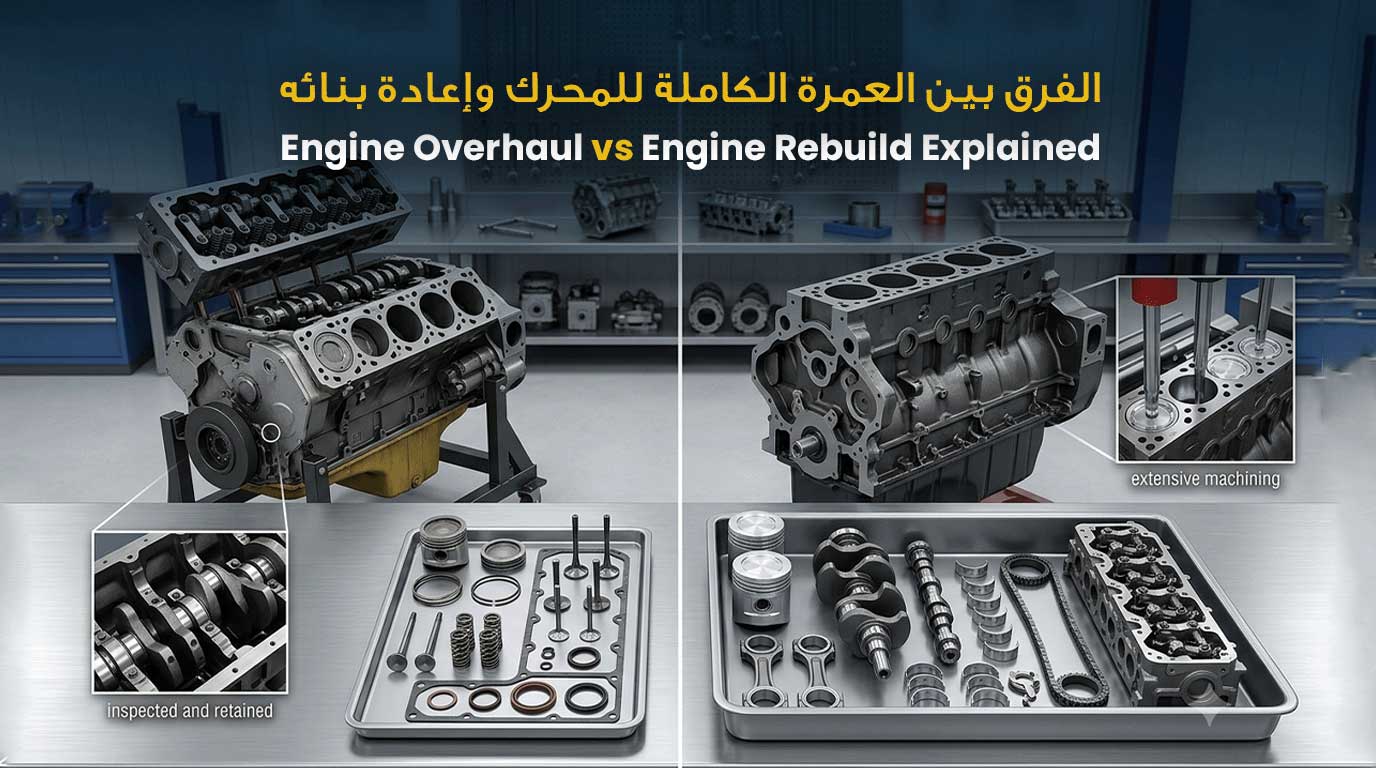
An overhaul is more than replacing a few worn parts. It is a controlled rebuild process based on inspection, measurement, machining requirements, and replacement of critical wear components. The exact scope depends on engine condition, failure mode, mileage, service history, and whether the work is an in-frame or out-of-frame overhaul.
In many cases, the process starts with teardown and detailed inspection. The cylinder block, crankshaft, cylinder head, pistons, liners, bearings, camshaft components, valves, injectors, turbocharger, and lubrication system are checked for wear, scoring, cracking, and tolerance issues. The goal is not to make the engine run for a few more weeks. The goal is to return it to stable, repeatable service.
A proper overhaul often includes replacing liners, pistons, rings, main bearings, rod bearings, gaskets, seals, and other high-wear internal parts. Depending on findings, the cylinder head may require valve and seat work, pressure testing, resurfacing, or complete rebuilding. Fuel system performance also matters because poor injector spray pattern or pump problems can damage a freshly rebuilt engine if they are left unresolved.
That is why overhaul work should never be treated as an isolated mechanical event. It has to account for cooling, lubrication, fuel delivery, air intake, turbo performance, and electronic controls. If one of those systems caused the original failure, the rebuild will not last unless the root cause is corrected.
Signs your truck may need a heavy truck engine overhaul
Most engines do not fail without warning. They usually show a pattern first. Some operators notice rising oil consumption and treat it as manageable. Others accept hard starting, excessive blow-by, or loss of pulling power because the truck still moves. In practice, these are early cost signals.
Persistent blue or white smoke, weak compression, repeated overheating, metal contamination in oil, abnormal crankcase pressure, and coolant loss without an obvious external leak all point to internal wear or damage. Knocking under load, uneven idle, and a sharp drop in fuel efficiency can also indicate deeper issues than routine service can solve.
The service history matters as much as the symptoms. If a truck has already had repeated head gasket work, injector replacement, turbo repair, or cooling system repairs without stable results, the engine may be at the point where overhaul is more economical than continued troubleshooting and short-term correction.
This is especially true in duty cycles with heavy loads, long idle hours, harsh temperatures, dust exposure, or inconsistent maintenance intervals. In those environments, wear accelerates and minor issues become major failures quickly.
Overhaul or replacement depends on the full cost picture
There is no single answer that fits every fleet. A heavy truck engine overhaul makes sense when the base engine is rebuildable, the truck still has service value, and the rebuild cost is justified against replacement cost, expected remaining life, and operating needs.
If the chassis, transmission, and supporting systems are still in usable condition, an overhaul can extend the truck’s productive life at a lower cost than full replacement. It also avoids the disruption of sourcing another unit, onboarding it into the fleet, and managing compatibility issues around controls, emissions, and application setup.
On the other hand, if the truck has major problems beyond the engine, overhaul may not be the smartest investment. A truck with structural issues, severe drivetrain wear, chronic electrical faults, or poor parts support can continue absorbing money after the engine is rebuilt. That is why decisions should be based on total asset condition, not engine condition alone.
A disciplined workshop will not promise overhaul for every engine brought in. Sometimes the correct recommendation is targeted repair. Sometimes it is replacement. The right path depends on inspection results, available parts, failure severity, and your operating priorities.
What affects overhaul quality and engine life afterward
The difference between a successful overhaul and a repeat failure usually comes down to process control. Parts matter, but process matters more. Clearances have to be measured correctly. Machining has to match manufacturer specifications. Component compatibility has to be verified. Assembly has to be clean, precise, and documented.
After assembly, testing and calibration are just as important. Fuel settings, injector performance, valve timing, oil pressure, cooling performance, and ECU or ECM related issues need to be checked before the truck returns to service. If the engine is mechanically sound but electronic controls are still causing improper fueling or protection faults, performance will remain unstable.
Break-in practice also affects results. A rebuilt engine should not go straight back into uncontrolled high-stress operation without proper monitoring. Oil condition, temperatures, load response, smoke level, and any abnormal vibration should be watched closely in the early operating period. This is where disciplined service support protects the value of the rebuild.
Downtime planning is part of the overhaul decision
For most businesses, the biggest cost is not the engine itself. It is downtime. A truck out of service can delay deliveries, reduce hauling capacity, affect site coordination, and create overtime pressure across the operation. That is why overhaul planning should include more than workshop time.
Parts availability, machine shop lead time, inspection findings, and the extent of damage all influence turnaround. A truck that enters the workshop for a planned rebuild will usually move faster than one that arrives after a catastrophic failure. Once a rod breaks, a block cracks, or the crankshaft is damaged beyond recovery, repair options narrow and lead times grow.
This is one reason scheduled condition assessment matters. Compression concerns, oil analysis findings, blow-by increases, and recurring cooling issues should be investigated before they turn into a roadside or jobsite failure. A planned overhaul gives operations teams more control over labor allocation, transport scheduling, and backup equipment use.
In uptime-critical environments across Dammam, Dhahran, Khobar, Jubail, and Alahsa, that planning difference can be substantial. Emergency failures rarely happen at a convenient time, and they almost always cost more than early intervention.
Choosing the right repair partner for engine overhaul work
Heavy truck engines demand more than general mechanical capability. The workshop needs diagnostic discipline, teardown and inspection standards, measurement accuracy, parts sourcing strength, and the ability to identify root causes outside the engine itself. That includes fuel system faults, cooling restrictions, contaminated lubrication, air intake problems, and electronic control issues.
This is where a full-service maintenance partner has an advantage. When one team can manage diagnostics, overhaul, injector and pump checks, ECU or ECM support, and spare parts coordination, the repair process becomes more controlled. It also reduces delays caused by sending components to multiple vendors and waiting for separate findings.
For commercial operators, the value is not just technical. It is operational. You need clear fault reporting, realistic repair timelines, and repair decisions that support the business, not just the engine. MPOM approaches overhaul work from that practical standpoint because the real objective is keeping equipment running safely and predictably after the repair, not just completing the job card.
A heavy truck engine overhaul should solve the problem, not postpone it
An overhaul is a serious investment, which is exactly why it should be handled with serious discipline. When done at the right time and for the right reasons, it restores service life, stabilizes operating performance, and gives fleet managers a more predictable maintenance path. When delayed too long or handled without proper inspection and system correction, it becomes expensive rework.
The best time to evaluate overhaul is when the warning signs first become consistent, not after the truck has already failed under load. A measured decision made early usually protects both the engine and the operation around it.