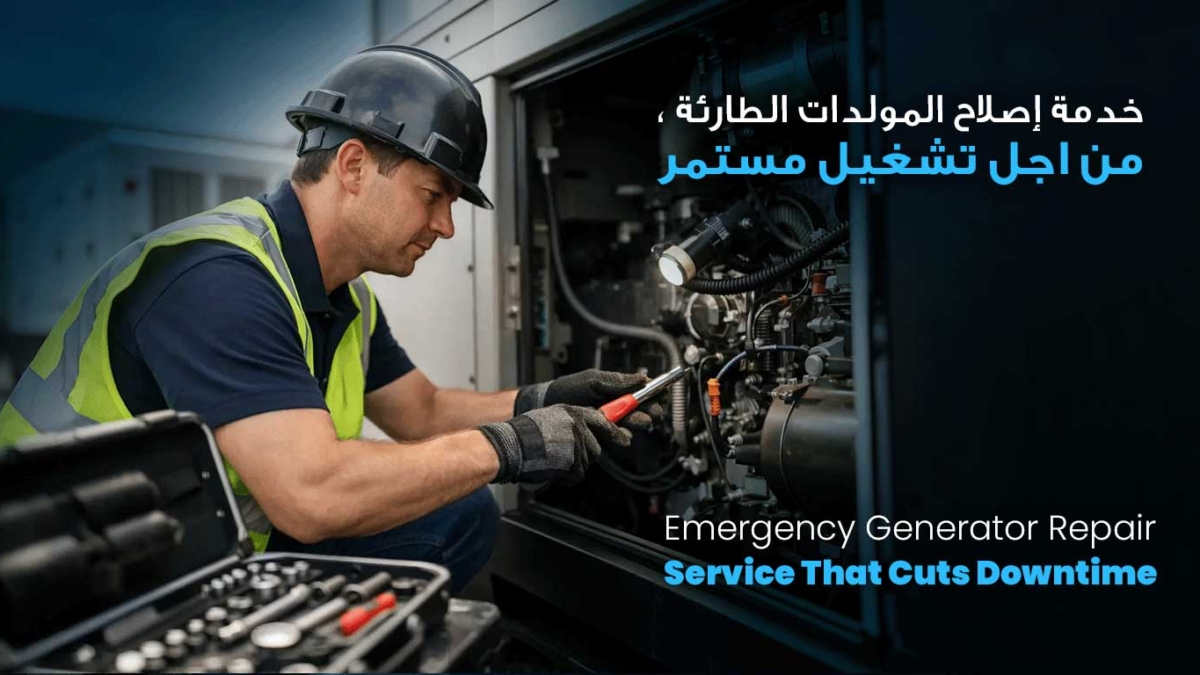
When a standby generator fails during a power event, the problem is rarely limited to one machine. Production slows, site safety can change in minutes, temperature-sensitive systems become vulnerable, and managers are forced into costly decisions under pressure. That is why an emergency generator repair service is not just a repair call. It is an uptime response built around speed, diagnosis, safe recovery, and getting critical operations back under control.
For industrial sites, commercial facilities, contractors, and infrastructure operators, the real cost of generator failure is measured in lost operating time, disrupted schedules, and risk exposure. A delayed response can turn a manageable issue into a major breakdown. A rushed but incomplete fix can create a repeat failure at the worst possible time. The right service partner understands both sides of the job – immediate restoration and the technical work required to prevent the same failure from returning.
What an emergency generator repair service should actually deliver
A serious emergency response starts with fault isolation, not assumptions. Generators fail for different reasons, and the symptoms can be misleading. A no-start complaint may trace back to battery voltage, starter issues, fuel delivery problems, ECU faults, sensor failure, control panel alarms, overheating history, or protection shutdown conditions. Low output may point to alternator issues, AVR malfunction, wiring faults, load imbalance, or engine speed instability.
An effective emergency generator repair service should be able to assess both mechanical and electrical causes on site. That includes reading fault codes, checking control logic, verifying fuel supply, testing battery and charging systems, inspecting cooling components, confirming lubrication condition, and evaluating the alternator and associated controls. In many cases, restoring the unit safely requires more than replacing one failed part. It requires confirming that the root cause has been identified before the generator is returned to service.
This matters even more on sites where the generator supports essential loads. Hospitals, logistics operations, construction projects, industrial plants, warehouses, and commercial buildings cannot rely on guesswork. They need a disciplined service process that restores function without introducing new risk.
Common generator failures during emergency callouts
In the field, emergency failures tend to follow a few patterns. Starting system failures are common, especially on units that sit idle and are only expected to perform under stress. Weak batteries, corroded terminals, charger failure, relay issues, and starter motor faults can all prevent startup.
Fuel-related problems are another frequent cause. Contaminated diesel, clogged filters, air in the fuel lines, injector issues, and transfer pump failure can stop a generator from carrying load or starting at all. Units that have not been exercised regularly are especially vulnerable.
Overheating failures also appear often during peak demand. Blocked radiators, coolant leaks, failing water pumps, damaged belts, and faulty temperature sensors can trigger shutdowns. In hot operating environments, any weakness in the cooling system becomes more obvious.
Control and protection faults can be harder to diagnose without the right tools. A generator may shut down due to overspeed, low oil pressure, high coolant temperature, low fuel pressure, or an electronic control issue even when the engine itself is mechanically sound. If the technician can only address mechanical components but not electronic diagnostics, downtime tends to extend.
Then there are load-related failures. A generator that starts but trips under load may have alternator problems, voltage regulation issues, incorrect settings, cable faults, or site-side load conditions that need to be checked before the unit is declared repaired.
Why response speed matters – but only with proper diagnosis
Fast arrival is important, but response time alone does not solve generator failures. Industrial clients need a team that can arrive prepared, diagnose accurately, and make practical decisions in the field. That means carrying the right test equipment, understanding control systems, and having access to common spare parts or rapid parts sourcing.
There is always a trade-off between immediate temporary recovery and full corrective repair. In some cases, the priority is to stabilize the generator and restore limited operation while a major component is arranged. In other cases, continuing to run the unit before proper repair can lead to engine damage, alternator failure, or a safety issue. The right recommendation depends on the condition of the equipment, the criticality of the load, and the risks of continued operation.
For operations managers and facility teams, this is where technical credibility matters. You do not need a service provider who simply clears alarms and leaves. You need one that can explain whether the issue was caused by fuel contamination, an electrical fault, a cooling failure, control logic, or wear-related mechanical breakdown – and what should happen next.
Emergency generator repair service for industrial and commercial sites
Industrial and commercial generator systems often operate in harsher conditions than standard standby units. Dust, heat, vibration, irregular loading, long idle periods, and inconsistent maintenance all affect reliability. The repair approach needs to reflect those operating realities.
On construction and infrastructure sites, generators may face variable loads, repeated relocation, and challenging environmental conditions. On industrial sites, they may support process continuity, pumping systems, safety equipment, or backup supply for critical machinery. In commercial facilities, they protect tenant operations, data systems, refrigeration, lighting, and building life-safety functions.
Because of that, emergency response cannot be generic. The technician needs to understand the application as well as the machine. A generator supporting temporary site cabins has different urgency and load sensitivity than a unit backing up a plant process or an essential facility system. Good service is technical, but it is also operationally aware.
What to expect during the repair process
A professional emergency callout should move in a clear sequence. First comes site safety and initial fault assessment. The technician confirms the reported issue, checks alarms, and verifies whether the generator can be inspected and tested safely. Next comes systematic diagnosis across the starting, fuel, air intake, cooling, lubrication, control, and electrical output systems.
If the fault can be repaired on site, the work should be completed with testing under controlled conditions. If parts are needed, the service team should identify what failed, explain whether a temporary solution is possible, and advise on the fastest safe route to restore reliability. After repair, the generator should be retested for startup, output stability, load acceptance if applicable, and alarm status.
This is also the point where many clients discover that the emergency was building for months. Batteries may have been weak, filters overdue, coolant condition poor, connections loose, or alarms previously ignored. A good repair partner will not use that moment to complicate the issue. They will document it clearly and recommend the next maintenance actions needed to reduce repeat failures.
Preventing the next outage after the urgent repair
Emergency repair is essential, but repeated emergencies usually point to a maintenance gap. Standby generators are often overlooked because they are not running every day. That creates a false sense of readiness. In reality, idle equipment can hide deteriorating batteries, stale fuel, leaking seals, sensor drift, and control issues until the next outage exposes them.
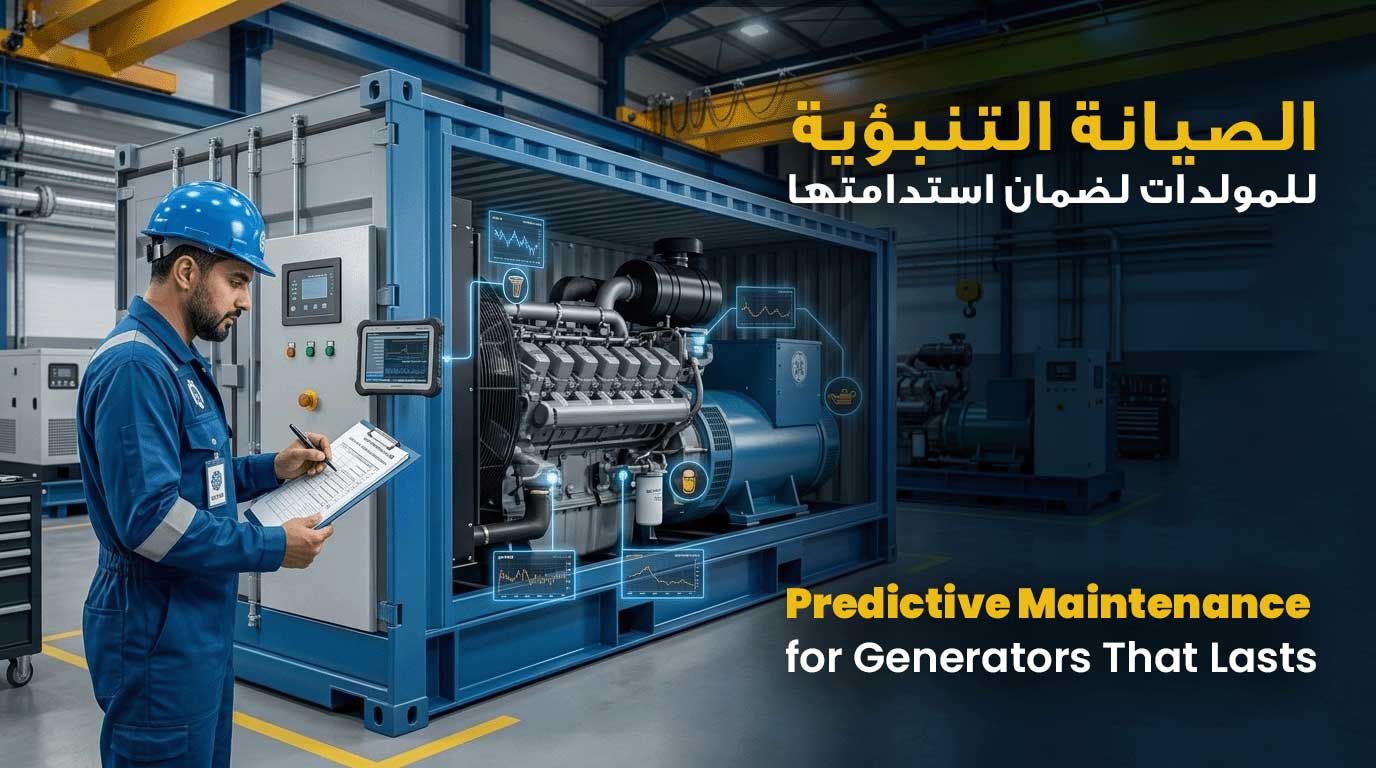
The most effective way to reduce emergency callouts is structured preventive maintenance. That includes scheduled inspections, battery checks, charger verification, fuel system service, cooling system checks, oil and filter changes, alarm testing, control panel diagnostics, and regular test runs under appropriate conditions. Load testing may also be necessary depending on the application and operating profile.
For aging units, condition-based decisions become more important. Some generators remain reliable with disciplined service and selective component replacement. Others begin to generate repeated repair costs, extended downtime, and parts availability issues. In those cases, management needs honest guidance on whether continued repair is commercially sensible.
A full-service maintenance partner can help here by combining emergency response, diagnostics, mechanical repair, electronic troubleshooting, and parts support under one service structure. That reduces coordination delays and gives clients a clearer picture of equipment condition over time. For businesses in uptime-critical environments, that continuity is often as valuable as the emergency callout itself.
Choosing the right service partner when failure is not optional
Not every repair provider is built for generator emergencies. Some can handle routine service but struggle with field diagnostics. Others can reach the site quickly but do not have the technical depth to resolve control, engine, and alternator issues in one visit. When operations depend on backup power, those gaps become expensive.
The better choice is a service partner that responds quickly, works safely, diagnoses thoroughly, and supports the equipment after the immediate fault is cleared. That means field capability, practical troubleshooting, access to parts, and an understanding of what downtime costs your operation. Companies such as Millennium Power Operations & Maintenance are structured around that model because industrial clients need more than a technician – they need a dependable maintenance partner that can restore equipment and support long-term reliability.
A generator failure always feels urgent because it is. But the best emergency response does more than restart the engine. It gives your team a clear path back to stable operations, with fewer surprises the next time the power goes out.