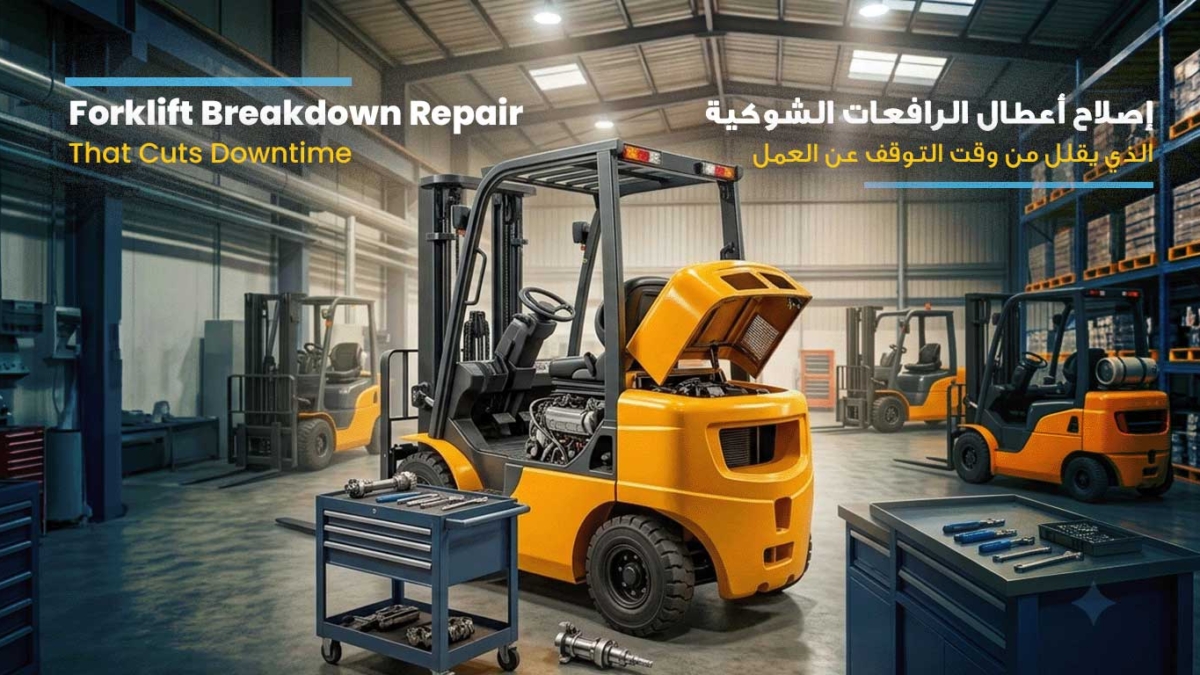
A forklift that stops mid-shift does more than delay one task. It can stall loading, block aisles, disrupt dispatch schedules, and create immediate safety concerns for operators and nearby teams. That is why forklift breakdown repair has to be handled with speed, technical discipline, and a clear understanding of what failed, why it failed, and how to return the machine to service without creating a repeat problem.
For operations managers, plant supervisors, and logistics teams, the real issue is not just the repair itself. It is the cost of every idle hour, the pressure on delivery commitments, and the risk of making a rushed fix that leads to another failure a few days later. A dependable repair response starts with accurate diagnostics and ends with confidence that the forklift can go back to work safely.
What forklift breakdown repair should include
Not every forklift failure looks serious at first. A slow hydraulic response, intermittent starting issue, warning light, or steering problem can appear minor until the unit drops out of service completely. Good forklift breakdown repair begins by identifying whether the fault is mechanical, hydraulic, electrical, fuel-related, or electronic.
In the field, technicians often see the same pattern. A machine is kept running through temporary workarounds, then a secondary component fails because the root cause was never addressed. A battery issue may actually be a charging fault. Repeated overheating may point to a cooling system restriction rather than the radiator alone. Poor lifting performance may be tied to hydraulic pressure loss, worn seals, or a control valve problem. The repair process has to separate symptoms from causes.
A proper repair scope usually involves fault finding, inspection of affected systems, parts replacement where needed, functional testing, and confirmation that safety-related functions are operating correctly. On modern forklifts, diagnostics may also involve ECU or ECM checks, sensor testing, and review of stored fault codes. On older units, the job may depend more heavily on mechanical inspection and technician experience. Either way, guessing is expensive.
Common failures that lead to forklift downtime
Forklifts work in punishing conditions. Heat, dust, heavy loads, stop-start duty cycles, uneven surfaces, and operator pressure all contribute to wear. The most common failures tend to come from a few systems.
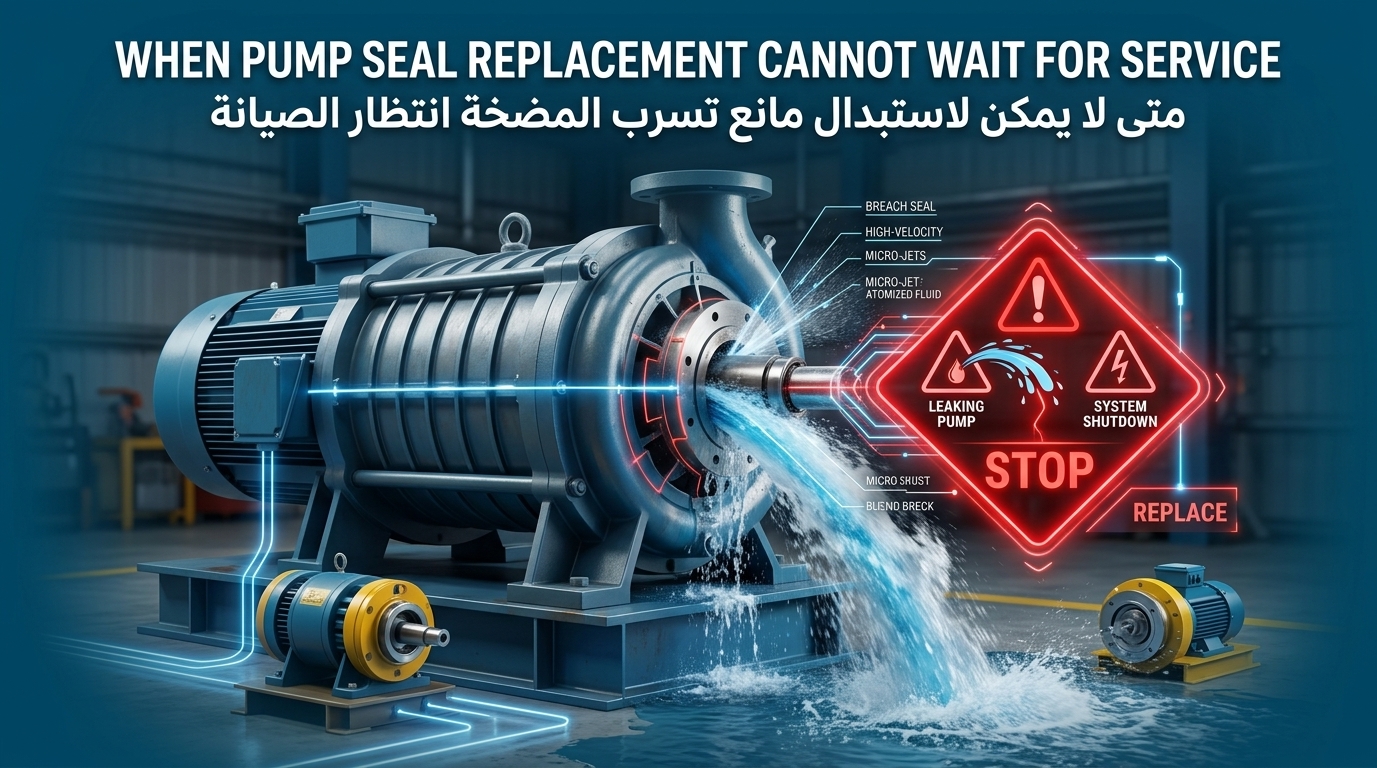
Hydraulic issues are a major source of trouble. Leaking hoses, worn cylinders, damaged seals, contaminated fluid, and pump wear can all reduce lifting power or create unsafe operation. If mast movement becomes erratic or lifting slows under load, the problem should be isolated quickly before other components are damaged.
Electrical faults are just as disruptive. Starting failures, charging problems, blown fuses, damaged wiring, faulty relays, and control module issues can shut down an otherwise sound machine. In many breakdown cases, electrical damage is not isolated to one part. Vibration, moisture, or heat may have affected multiple points in the circuit, which is why testing matters more than replacing parts at random.
Engine-related breakdowns on diesel forklifts often involve fuel delivery, injectors, overheating, sensor faults, or air intake restrictions. Hard starting, loss of power, excessive smoke, and unstable idle all need structured diagnosis. Replacing a filter may solve one case and do nothing for the next. The condition of the pump, injector system, cooling package, and engine controls may all need to be reviewed.
Transmission, brake, and steering faults also deserve immediate attention. These are not just productivity issues. They are operating risks. If a forklift hesitates in drive, drifts, brakes poorly, or steers unevenly, it should not be returned to service until the fault is confirmed and repaired.
Why fast diagnosis matters more than fast guessing
When a forklift fails, every team wants the same thing – get it moving again. But the fastest response is not always the one that swaps the first suspected part. It is the one that identifies the actual failure path early and avoids wasted repair cycles.
This is where experienced breakdown support makes a difference. A disciplined technician will inspect the machine condition, ask what happened before failure, review recent repairs, and test the affected systems in sequence. That approach often reveals contributing factors that would otherwise be missed. For example, a failed alternator may be linked to a wiring issue. A recurring hose rupture may be caused by pressure spikes or mounting problems. A damaged mast component may point to load handling practices as well as wear.
For fleet operators, this matters because downtime cost is not limited to one invoice. Misdiagnosis can lead to multiple site visits, repeated parts orders, production delays, and avoidable stress on maintenance budgets. Accurate diagnosis reduces total downtime, even if it takes a little more discipline in the first hour of the job.
Field repair or workshop repair
It depends on the failure, the site conditions, and the equipment configuration. Many forklift breakdowns can and should be handled in the field. Battery and charging faults, hose replacement, starter and alternator work, sensor faults, filter replacement, cooling system issues, and some hydraulic or electrical repairs can often be completed on site if access is safe and parts are available.
Workshop repair becomes the better choice when the machine needs deeper disassembly, structural work, major hydraulic rebuilding, engine overhaul, transmission repair, or extended testing. The decision should be based on repair quality and safety, not just convenience. A field fix is valuable when it restores operation properly. It becomes costly when site limitations force a temporary repair that does not hold.
For businesses operating across Dammam, Dhahran, Khobar, EasterEastern Province, response time and service coordination also affect that decision. A provider with both field capability and workshop support can make a more practical call based on the fault, instead of forcing every job into one service model.
Parts availability can decide repair time
One of the biggest delays in forklift breakdown repair is not labor. It is parts sourcing. A technician may identify the fault quickly, but if the required hose assembly, injector component, seal kit, sensor, control part, or cooling component is not available, the forklift remains down.
That is why parts support should be treated as part of the repair capability, not a separate issue. Businesses that rely on uptime need service partners who can source genuine or suitable aftermarket parts without long delays. This is especially important for mixed fleets where forklift brands, ages, and configurations vary across sites.
There is also a trade-off here. The lowest-cost part is not always the lowest-cost decision. In some cases, an aftermarket part is a practical choice and performs well. In other cases, especially with sensitive electronic, hydraulic, or engine-related components, part quality directly affects reliability. The right decision depends on application, urgency, and how critical the forklift is to the operation.
How to reduce repeat forklift breakdown repair
Breakdowns cannot be eliminated completely, but repeat failures can be reduced sharply. The first step is to stop treating every repair as an isolated event. If one forklift has repeated overheating, electrical faults, or hydraulic leaks, the machine needs a broader condition review. There may be a maintenance gap, an operating issue, or age-related wear across connected systems.
Routine inspections help, but they need to be practical. Checking fluid condition, battery health, hose wear, mast components, brakes, tires, warning indicators, and charging performance catches many problems before they become breakdowns. Operator reporting also matters. Small changes in noise, lift response, steering feel, or starting behavior often appear before a complete stoppage.
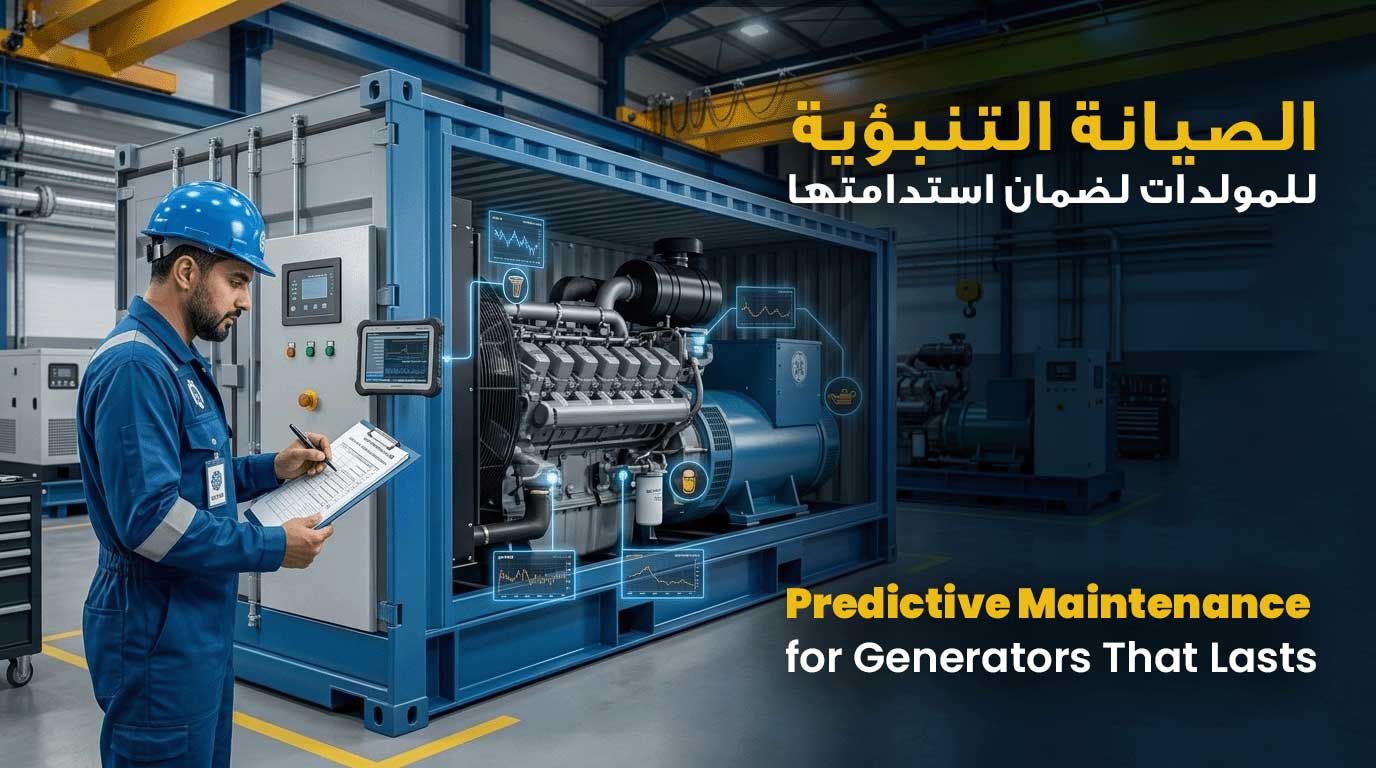
Planned maintenance is usually cheaper than emergency repair, but only when it is done with the real operating environment in mind. A forklift running hard shifts in a hot, dusty yard needs a different maintenance rhythm than one used lightly indoors. Service intervals, wear patterns, and parts planning should reflect that reality.
Choosing a forklift breakdown repair partner
Industrial buyers are not looking for general promises. They need a service partner who understands uptime pressure, can diagnose accurately, respond quickly, and support repairs with technical depth. That includes mechanical work, electrical diagnostics, hydraulic repair, engine support, and parts coordination under one scope.
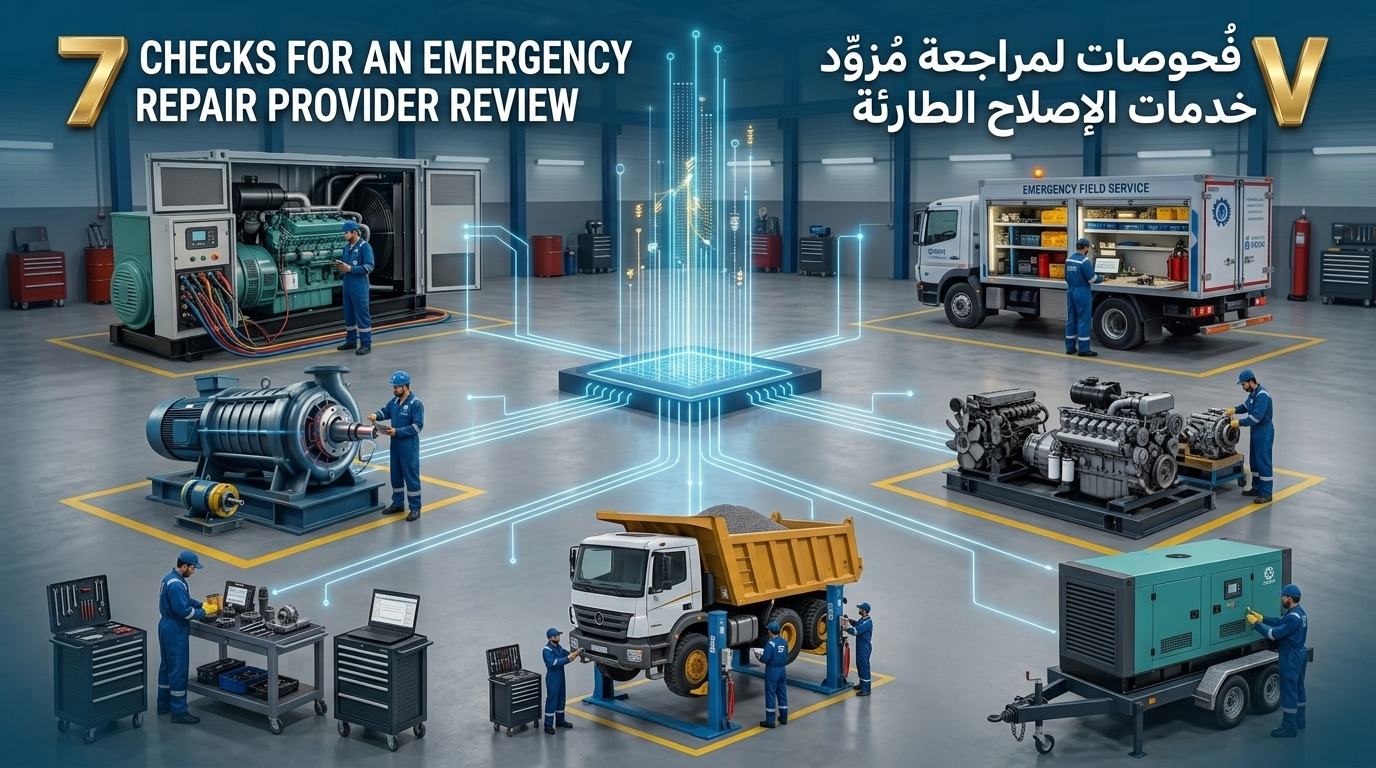
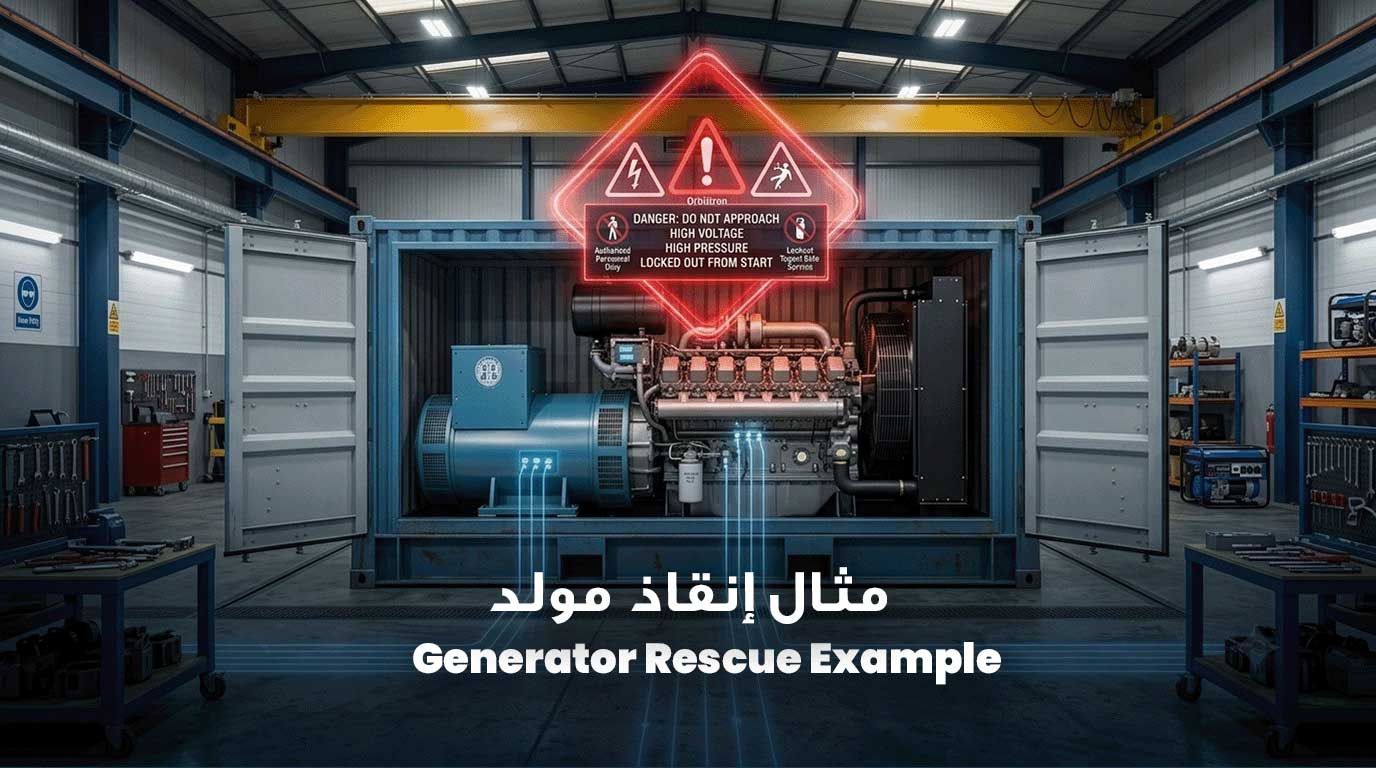
It also helps to work with a team that understands adjacent equipment systems. In many industrial environments, forklifts are part of a broader uptime picture that includes trucks, generators, pumps, and heavy equipment. A maintenance partner such as Millennium Power Operations & Maintenance can support that wider operational need, which simplifies coordination and reduces vendor gaps when multiple assets are under pressure at the same time.
The best repair relationship is not based only on who arrives first. It is based on who restores equipment safely, communicates clearly, and helps prevent the next failure as well as the current one.
When a forklift goes down, the clock starts immediately. The right response is not panic and not guesswork. It is disciplined repair support that gets the machine back to work with less risk, fewer repeat issues, and a clearer path to reliable uptime.